Whatsapp: +8615995188408 Email: aaron@xmdieselpower.com
 Français
 Deutsch




**PTO Generator Set Certification Standards Explained**
Power Take-Off (PTO) generator sets are critical components in various industries, providing reliable and efficient power generation for applications ranging from construction sites to emergency backup systems. To ensure the safety, reliability, and performance of these systems, certification standards have been established by various organizations. These standards define the technical requirements, testing procedures, and safety guidelines that PTO Generator sets must meet to be deemed compliant. This article explores the key certification standards for PTO Generator Sets, their importance, and the processes involved in achieving compliance.
---
**1. Introduction to PTO Generator Sets**
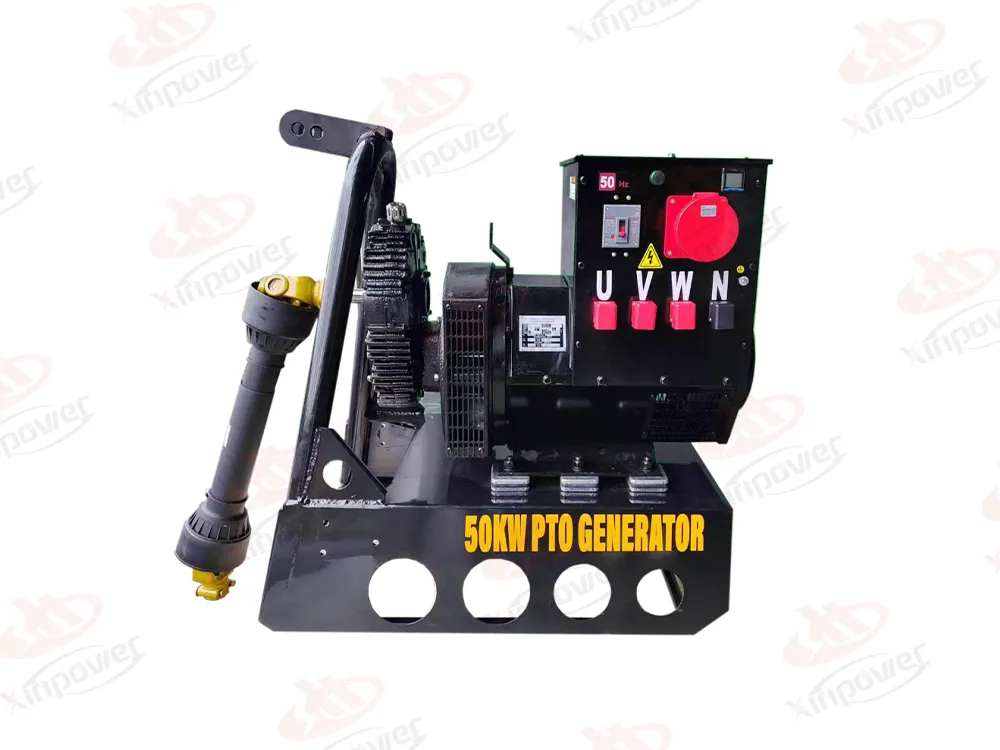
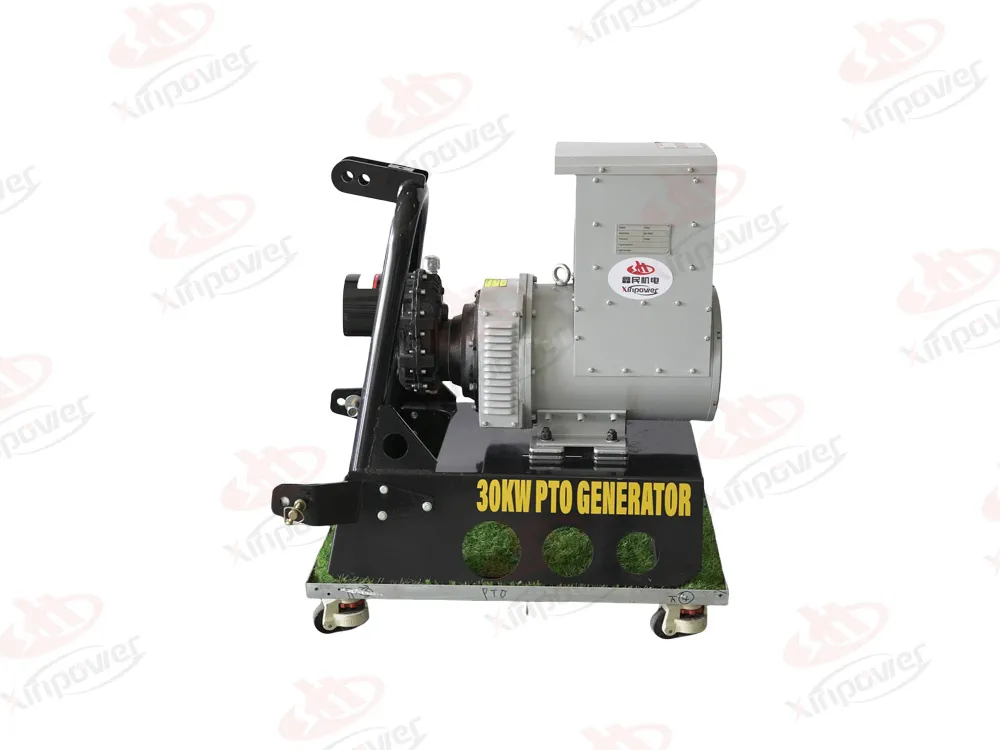
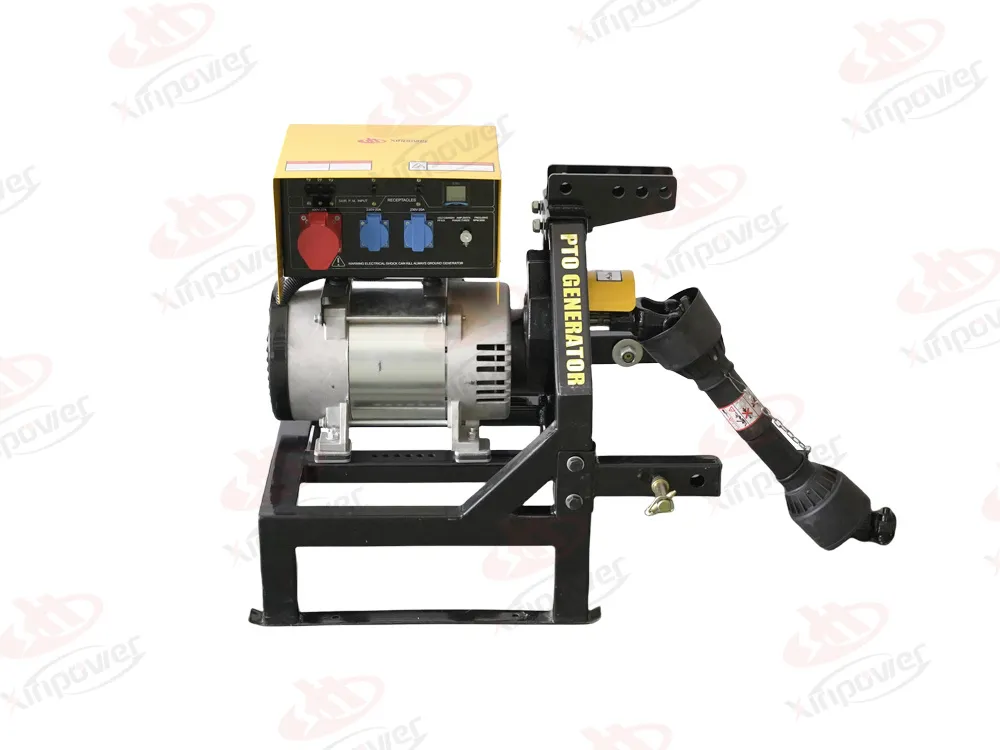
A PTO generator set is a device that converts mechanical energy from a vehicle’s engine into electrical energy using a power take-off mechanism. These systems are commonly used in mobile applications where access to grid power is limited or unavailable. Examples include construction equipment, agricultural machinery, and emergency response vehicles.
Given the critical nature of these applications, it is essential that PTO generator sets are designed and manufactured to meet stringent standards. Certification ensures that the equipment is safe, reliable, and capable of delivering consistent performance under various operating conditions.
---
**2. Importance of Certification Standards**
Certification standards for PTO generator sets serve several key purposes:
- **Safety:** Ensures that the equipment is safe to operate, minimizing the risk of accidents, electrical hazards, and mechanical failures.
- **Reliability:** Guarantees that the generator set will perform as expected under specified conditions, reducing downtime and maintenance costs.
- **Interoperability:** Ensures compatibility with different types of vehicles and power systems.
- **Compliance:** Helps manufacturers meet legal and regulatory requirements in various markets.
- **Consumer Confidence:** Provides assurance to customers that the product has been tested and verified by an independent authority.
---
**3. Key Certification Standards for PTO Generator Sets**
Several organizations and regulatory bodies have developed standards specifically for PTO generator sets. Below are some of the most widely recognized standards:
**3.1 ISO Standards**
The International Organization for Standardization (ISO) has developed several standards related to power generation equipment. While ISO does not have a specific standard for PTO generator sets, many of its general standards for generators and engines apply. For example:
- **ISO 8528:** This standard specifies the performance requirements for reciprocating internal combustion engine-driven generating sets, including aspects such as power output, efficiency, and emissions.
- **ISO 3046:** Focuses on the performance of internal combustion engines, which are often used in PTO generator sets.
**3.2 IEC Standards**
The International Electrotechnical Commission (IEC) provides standards for electrical equipment, including generators. Relevant standards include:
- **IEC 60034:** Covers the performance and testing of rotating electrical machines, including generators.
- **IEC 60947:** Specifies requirements for low-voltage switchgear and controlgear, which are often integrated into PTO generator sets.
**3.3 UL Standards**
Underwriters Laboratories (UL) is a globally recognized safety certification organization. Relevant standards for PTO generator sets include:
- **UL 2200:** Covers the safety of stationary engine generator assemblies, which may include PTO generator sets.
- **UL 1004:** Focuses on the safety of rotating electrical machines, including generators.
**3.4 CSA Standards**
The Canadian Standards Association (CSA) provides certification for electrical and mechanical equipment. Relevant standards include:
- **CSA C22.2 No. 100:** Specifies the safety requirements for motors and generators.
- **CSA C22.2 No. 144:** Covers the safety of portable generators, which may include PTO generator sets.
**3.5 CE Marking**
In the European Union, PTO generator sets must comply with the CE marking requirements, which indicate conformity with health, safety, and environmental protection standards. Key directives include:
- **Low Voltage Directive (LVD) 2014/35/EU:** Ensures the safety of electrical equipment.
- **Electromagnetic Compatibility (EMC) Directive 2014/30/EU:** Ensures that the equipment does not emit excessive electromagnetic interference and is immune to external interference.
**3.6 EPA and CARB Emissions Standards**
In the United States, PTO generator sets must comply with emissions regulations set by the Environmental Protection Agency (EPA) and the California Air Resources Board (CARB). These standards limit the amount of pollutants that can be emitted by the engine.
---
**4. Certification Process**
The certification process for PTO generator sets typically involves the following steps:
**4.1 Design and Development**
Manufacturers must design the generator set in accordance with the relevant standards. This includes selecting appropriate materials, components, and safety features.
**4.2 Testing**
The equipment undergoes rigorous testing to verify compliance with the applicable standards. Tests may include:
- Performance testing (e.g., power output, efficiency, and load handling).
- Safety testing (e.g., insulation resistance, temperature rise, and short-circuit protection).
- Environmental testing (e.g., resistance to vibration, shock, and extreme temperatures).
- Emissions testing (e.g., measuring exhaust gases and particulate matter).
**4.3 Documentation**
Manufacturers must prepare technical documentation, including design specifications, test reports, and user manuals.
**4.4 Certification Audit**
An independent certification body reviews the design, testing, and documentation to ensure compliance. If the equipment meets the requirements, the certification body issues a certificate of compliance.
**4.5 Ongoing Compliance**
Manufacturers must maintain compliance by regularly testing their products and implementing quality control measures. In some cases, periodic audits may be required to retain certification.
---
**5. Challenges in Certification**
Achieving certification for PTO generator sets can be challenging due to:
- **Complexity of Standards:** Navigating the various standards and ensuring compliance with all applicable requirements.
- **Cost:** Testing and certification can be expensive, particularly for small manufacturers.
- **Global Variations:** Different regions have different standards, requiring manufacturers to adapt their products for each market.
---
**6. Conclusion**
Certification standards for PTO generator sets play a vital role in ensuring the safety, reliability, and performance of these critical systems. By adhering to standards such as ISO, IEC, UL, CSA, and CE, manufacturers can demonstrate their commitment to quality and compliance. While the certification process can be complex and costly, the benefits—including enhanced safety, consumer confidence, and market access—far outweigh the challenges. As technology continues to evolve, it is essential for manufacturers to stay updated on the latest standards and best practices to remain competitive in the industry.
This website uses cookies to ensure you get the best experience on our website.





 Phone
Phone