Whatsapp: +8615995188408 Email: aaron@xmdieselpower.com
 Français
 Deutsch




**PTO Generator Set Performance Testing: What to Expect**
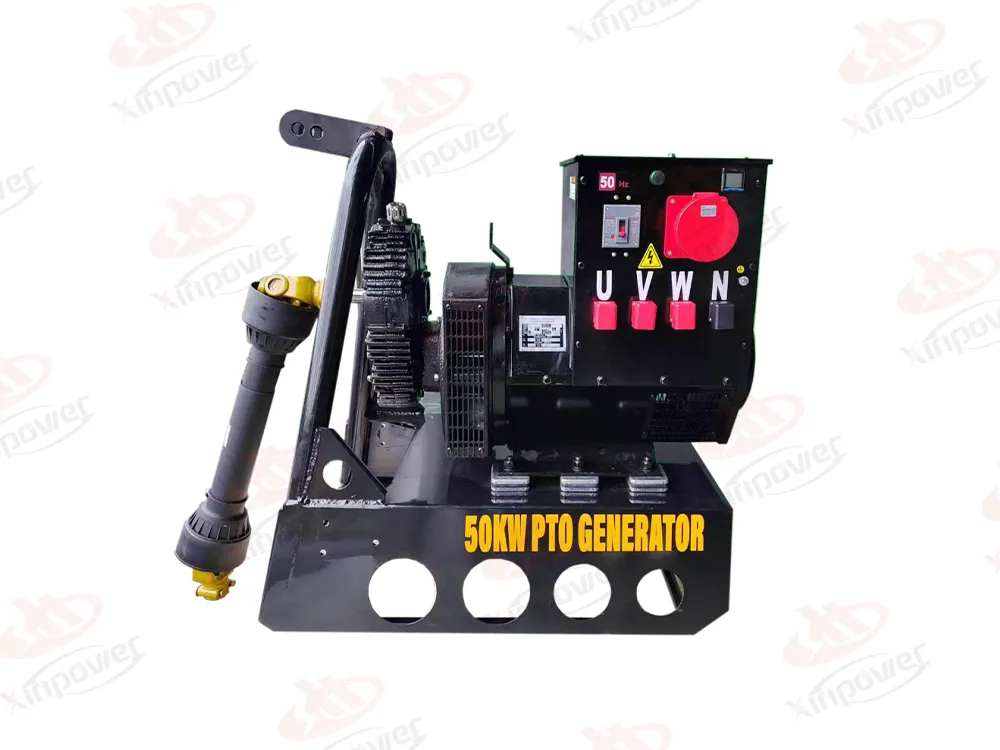
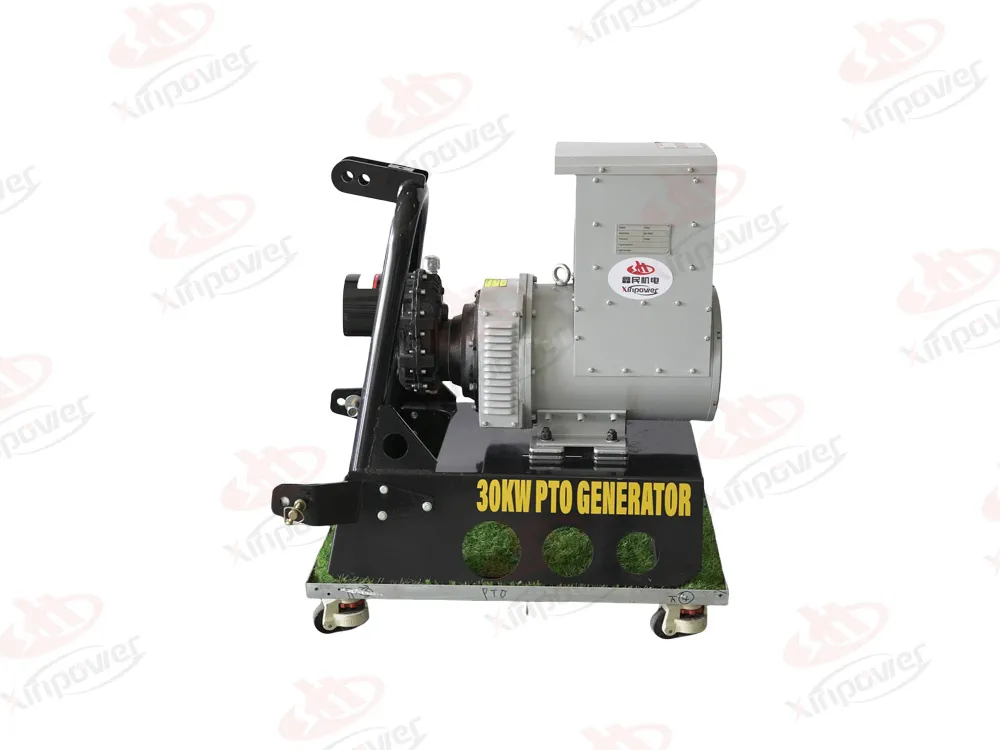
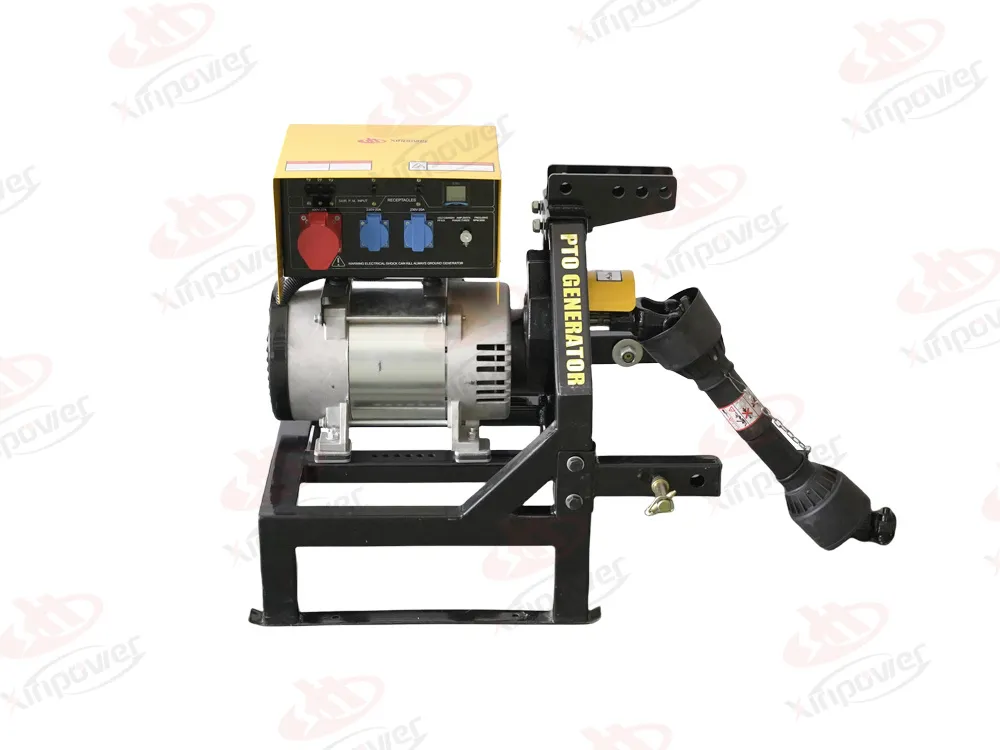
Power Take-Off (PTO) generator sets are essential equipment in various industries, providing reliable and portable power in remote locations or during emergencies. These systems are typically driven by a tractor or other machinery equipped with a PTO shaft, converting mechanical energy into electrical power. To ensure optimal performance, safety, and reliability, PTO Generator sets must undergo rigorous performance testing. This article outlines what to expect during PTO Generator Set performance testing, including the key parameters evaluated, testing procedures, and the importance of these tests.
---
**1. Purpose of Performance Testing**
Performance testing for PTO generator sets is conducted to verify that the equipment meets specified operational standards and can deliver consistent power output under various conditions. The primary objectives of testing include:
- **Verifying Power Output:** Ensuring the generator produces the rated power output at the specified voltage and frequency.
- **Assessing Efficiency:** Measuring the system's ability to convert mechanical energy into electrical energy with minimal losses.
- **Evaluating Stability:** Confirming that the generator maintains stable operation under varying loads and environmental conditions.
- **Ensuring Safety:** Identifying potential safety hazards and ensuring compliance with industry standards.
- **Durability Testing:** Assessing the generator's ability to withstand prolonged use and harsh conditions.
---
**2. Key Parameters Evaluated**
During performance testing, several critical parameters are measured and analyzed to determine the generator's overall performance:
**a. Power Output**
The generator's ability to deliver the rated power output is the most critical parameter. Testing involves measuring the voltage, current, and frequency under different load conditions to ensure the generator meets its specifications.
**b. Load Capacity**
The generator is tested under various load conditions, from no-load to full-load, to evaluate its ability to handle different power demands. This includes testing for overload conditions to ensure the generator can handle temporary spikes in power requirements.
**c. Voltage and Frequency Stability**
The generator must maintain stable voltage and frequency levels, even under fluctuating loads. Testing involves monitoring these parameters to ensure they remain within acceptable tolerances.
**d. Efficiency**
The efficiency of the generator is calculated by comparing the electrical power output to the mechanical power input. Higher efficiency indicates less energy loss and better performance.
**e. Harmonic Distortion**
Harmonic distortion can affect the quality of the power output and damage connected equipment. Testing measures the Total Harmonic Distortion (THD) to ensure it remains within acceptable limits.
**f. Temperature and Cooling**
The generator's temperature is monitored during operation to ensure it does not overheat. Cooling systems are evaluated to confirm they can maintain safe operating temperatures.
**g. Noise Levels**
Noise levels are measured to ensure the generator operates within acceptable limits, especially in environments where noise pollution is a concern.
**h. Vibration and Mechanical Integrity**
The generator is tested for excessive vibration, which can indicate mechanical issues. The integrity of the PTO shaft and other mechanical components is also assessed.
---
**3. Testing Procedures**
Performance testing typically follows a standardized procedure to ensure consistency and accuracy. The steps may include:
**a. Pre-Test Inspection**
Before testing begins, the generator set is inspected for any visible damage, loose connections, or other issues that could affect performance. The PTO shaft and tractor (or other driving machinery) are also checked for compatibility and proper alignment.
**b. No-Load Testing**
The generator is started and operated without any load to measure its no-load voltage and frequency. This helps identify any issues with the generator's internal components.
**c. Load Testing**
The generator is gradually loaded to its rated capacity while monitoring voltage, current, frequency, and other parameters. This test evaluates the generator's ability to handle different load conditions.
**d. Overload Testing**
The generator is subjected to a load exceeding its rated capacity for a short duration to assess its ability to handle temporary overloads.
**e. Stability Testing**
The generator is tested under varying load conditions to evaluate its ability to maintain stable voltage and frequency levels.
**f. Endurance Testing**
The generator is operated continuously for an extended period to assess its durability and performance under prolonged use.
**g. Environmental Testing**
The generator may be tested under different environmental conditions, such as high temperatures, humidity, or altitude, to evaluate its performance in real-world scenarios.
**h. Post-Test Inspection**
After testing, the generator is inspected for any signs of wear, damage, or other issues that may have occurred during operation.
---
**4. Importance of Performance Testing**
Performance testing is crucial for several reasons:
- **Reliability:** Ensures the generator can deliver consistent power output when needed.
- **Safety:** Identifies potential hazards and ensures compliance with safety standards.
- **Efficiency:** Helps optimize the generator's performance, reducing energy losses and operating costs.
- **Longevity:** Identifies issues that could lead to premature failure, extending the generator's lifespan.
- **Compliance:** Ensures the generator meets industry standards and regulatory requirements.
---
**5. Conclusion**
PTO generator set performance testing is a comprehensive process that evaluates the equipment's ability to deliver reliable and efficient power under various conditions. By measuring key parameters such as power output, load capacity, stability, and efficiency, these tests ensure the generator meets its specifications and operates safely and effectively. Whether you are a manufacturer, distributor, or end-user, understanding what to expect during performance testing can help you make informed decisions and ensure the longevity and reliability of your PTO generator set.
This website uses cookies to ensure you get the best experience on our website.





 Phone
Phone