Whatsapp: +8615995188408 Email: aaron@xmdieselpower.com
 Français
 Deutsch




**PTO Generator Set Noise Levels: What’s Acceptable?**
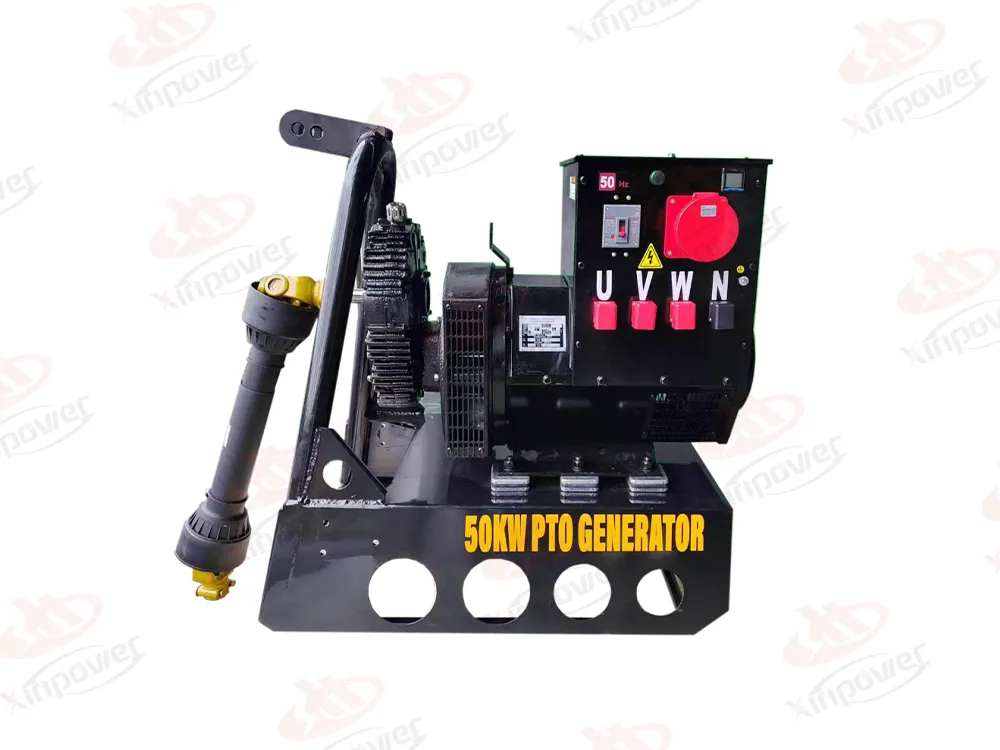
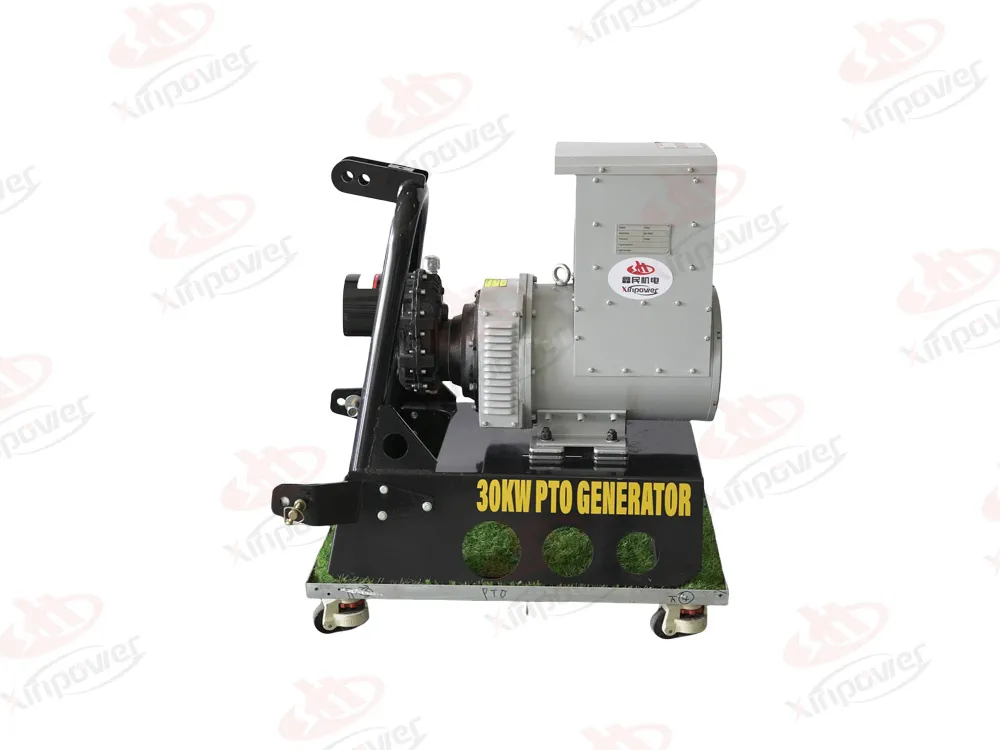
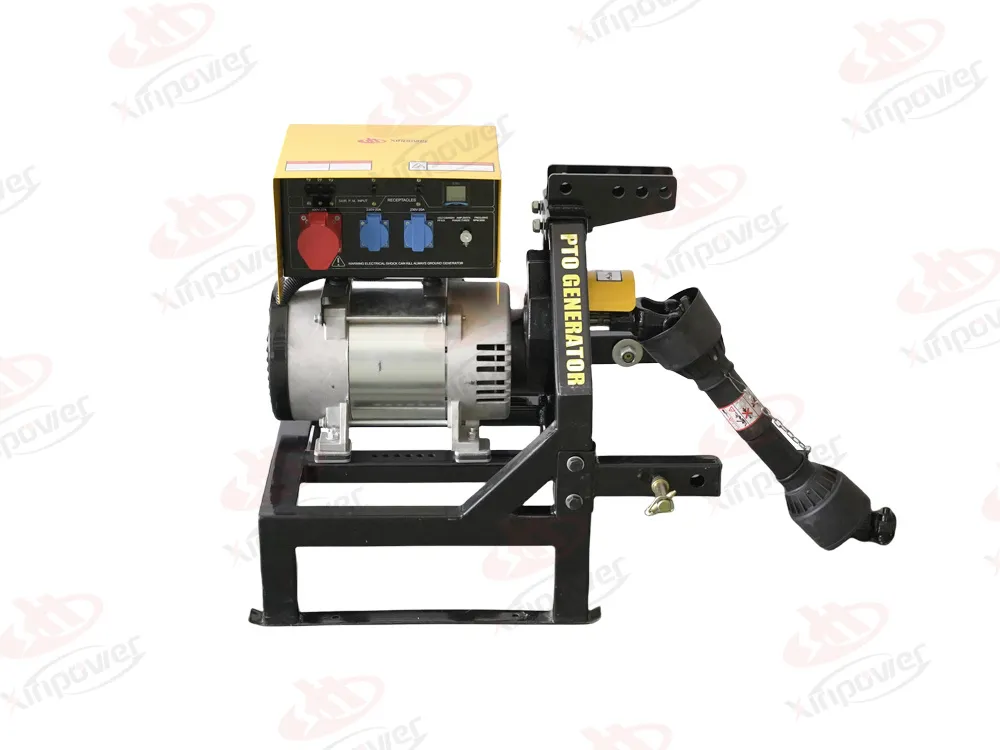
Power Take-Off (PTO) generator sets are widely used in various industries, including agriculture, construction, and emergency power supply, due to their versatility and ability to convert mechanical energy from a tractor or other machinery into electrical energy. However, one of the significant challenges associated with PTO Generator sets is the noise they produce during operation. Understanding acceptable noise levels and how to mitigate excessive noise is essential for ensuring compliance with regulations, protecting worker health, and maintaining good community relations.
Understanding Noise Levels in PTO Generator Sets
Noise levels are typically measured in decibels (dB), a logarithmic unit that quantifies sound intensity. PTO generator sets can produce noise levels ranging from 70 dB to over 100 dB, depending on factors such as the generator’s size, design, load, and the environment in which it operates. For context, 70 dB is comparable to the sound of a vacuum cleaner, while 100 dB is similar to the noise of a chainsaw or a jackhammer.
The noise generated by PTO generator sets can be attributed to several sources:
1. **Engine Noise**: The internal combustion engine that drives the generator is a primary source of noise. This includes exhaust noise, mechanical noise from moving parts, and combustion noise.
2. **Generator Noise**: The alternator or generator itself can produce electromagnetic noise and mechanical vibrations.
3. **Cooling System Noise**: Fans and cooling systems used to regulate the temperature of the engine and generator can contribute to overall noise levels.
4. **Structural Noise**: Vibrations from the generator set can transfer to surrounding structures, amplifying noise levels.
5. **Environmental Factors**: The acoustics of the operating environment, such as enclosed spaces or open fields, can influence perceived noise levels.
Acceptable Noise Levels: Regulatory and Health Considerations
Determining acceptable noise levels for PTO generator sets involves considering both regulatory standards and health guidelines.
Regulatory Standards
Many countries and regions have established noise regulations to limit the impact of industrial and mechanical noise on communities and workers. These regulations often specify maximum permissible noise levels for different environments, such as residential areas, industrial zones, and workplaces.
For example:
- **Occupational Safety and Health Administration (OSHA)** in the United States sets a permissible exposure limit (PEL) of 90 dB for an 8-hour workday. Exceeding this level requires employers to implement hearing protection measures.
- **European Union Directives** limit workplace noise exposure to 87 dB, with a peak level of 140 dB.
- **Environmental Noise Regulations** in many countries restrict noise levels in residential areas to 55-65 dB during the day and 45-55 dB at night.
When operating PTO generator sets, it is essential to comply with these regulations to avoid fines, legal issues, and community complaints.
Health Considerations
Prolonged exposure to high noise levels can lead to hearing loss, tinnitus, and other health issues. The World Health Organization (WHO) recommends keeping noise levels below 70 dB to prevent hearing damage. Additionally, excessive noise can cause stress, sleep disturbances, and reduced productivity.
For workers operating or working near PTO generator sets, employers must assess noise exposure and implement control measures to protect their health. This includes providing hearing protection, reducing exposure time, and implementing engineering controls to lower noise levels.
Mitigating Noise from PTO Generator Sets
Reducing noise levels from PTO generator sets is crucial for compliance, health, and operational efficiency. Several strategies can be employed to mitigate noise:
1. **Engine and Exhaust Modifications**:
- Use mufflers or silencers on the exhaust system to reduce engine noise.
- Opt for engines with lower noise emissions or those designed with noise-reduction features.
2. **Enclosures and Barriers**:
- Install soundproof enclosures around the generator set to contain noise.
- Use acoustic barriers or walls to block noise from reaching sensitive areas.
3. **Vibration Damping**:
- Use anti-vibration mounts to reduce structural noise caused by vibrations.
- Ensure the generator set is properly balanced and maintained to minimize mechanical noise.
4. **Cooling System Optimization**:
- Choose low-noise fans or optimize the cooling system to reduce airflow noise.
- Use sound-absorbing materials around the cooling system.
5. **Operational Practices**:
- Position the generator set away from residential areas or noise-sensitive locations.
- Operate the generator at lower loads when possible, as noise levels often increase with higher loads.
6. **Regular Maintenance**:
- Keep the generator set well-maintained to prevent excessive noise from worn or damaged components.
- Lubricate moving parts and tighten loose components to reduce mechanical noise.
Measuring and Monitoring Noise Levels
To ensure compliance and assess the effectiveness of noise control measures, it is essential to measure and monitor noise levels regularly. This can be done using sound level meters or noise dosimeters, which provide accurate readings of noise levels in dB. Regular monitoring helps identify areas for improvement and ensures that noise levels remain within acceptable limits.
Conclusion
PTO generator sets are valuable tools in many industries, but their noise emissions can pose challenges for compliance, health, and community relations. Understanding acceptable noise levels and implementing effective noise control measures is essential for minimizing the impact of generator noise. By adhering to regulatory standards, protecting worker health, and employing noise reduction strategies, operators can ensure that PTO generator sets are used safely and responsibly. Regular monitoring and maintenance further contribute to maintaining acceptable noise levels, ensuring a harmonious balance between operational efficiency and environmental considerations.
This website uses cookies to ensure you get the best experience on our website.





 Phone
Phone