Whatsapp: +8615995188408 Email: aaron@xmdieselpower.com
 Français
 Deutsch




**How to Transport a PTO Generator Set Safely**
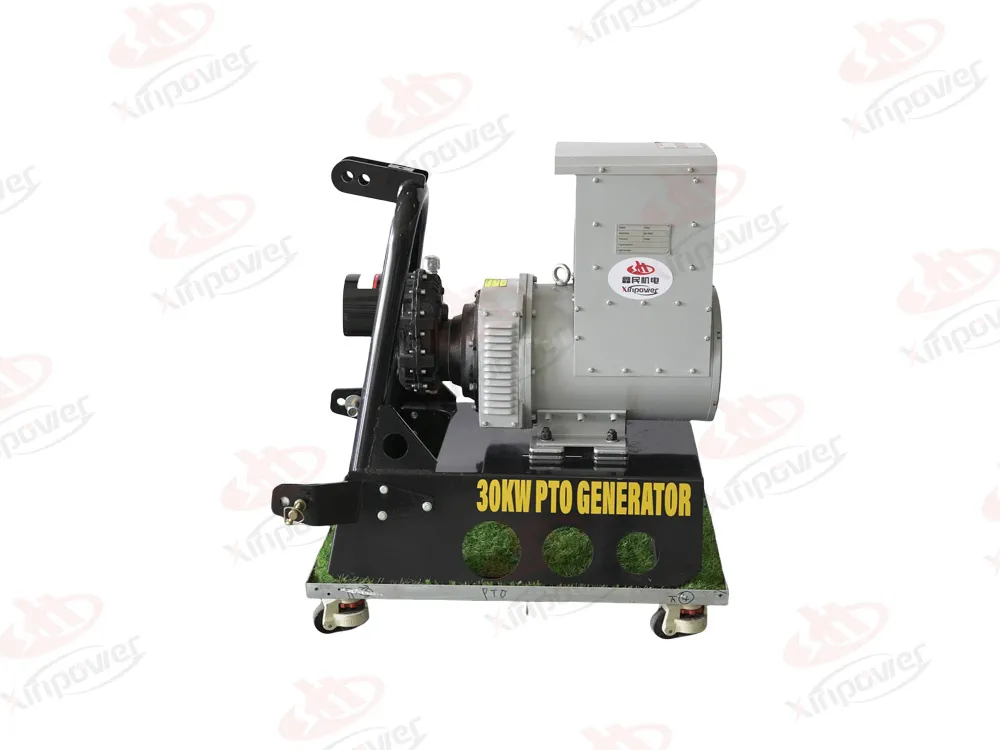
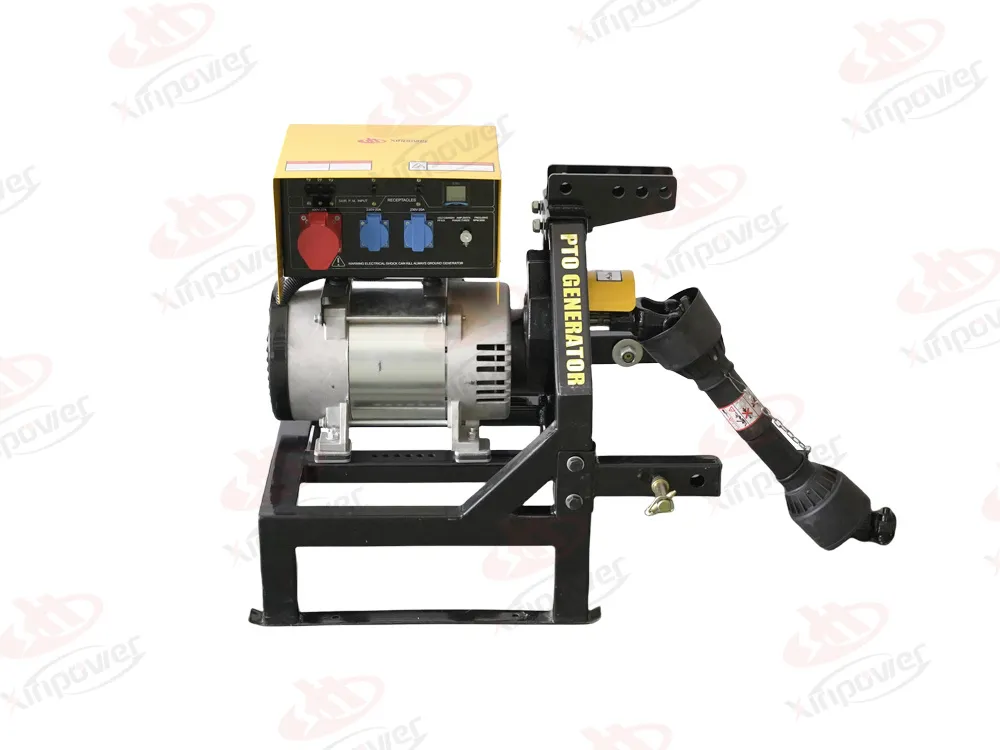
Transporting a PTO (Power Take-Off) generator set requires careful planning and execution to ensure safety, prevent damage to the equipment, and comply with transportation regulations. PTO Generator sets are heavy, complex, and often expensive pieces of machinery, so proper handling during transport is essential. Below is a comprehensive guide on how to transport a PTO Generator Set safely.
---
**1. Pre-Transport Preparation**
**1.1 Inspect the Generator Set**
Before moving the generator, conduct a thorough inspection to ensure it is in good working condition. Check for any visible damage, loose components, or leaks. Verify that all connections, bolts, and fasteners are secure. If the generator has been in use, allow it to cool down before transport.
**1.2 Disconnect and Secure Components**
Disconnect the PTO shaft from the tractor or power source. Ensure the shaft is properly stored and secured to prevent it from swinging or causing damage during transit. Remove any detachable accessories or components that could become loose or damaged.
**1.3 Check Weight and Dimensions**
PTO generator sets are often heavy and bulky. Verify the weight and dimensions of the generator to ensure your transport vehicle and trailer can handle the load. Overloading a vehicle or trailer can lead to accidents or damage to the equipment.
**1.4 Gather Necessary Equipment**
Ensure you have the right tools and equipment for loading and unloading, such as ramps, straps, chains, and a forklift or crane if needed. Use high-quality, load-rated straps or chains to secure the generator.
---
**2. Loading the Generator Set**
**2.1 Choose the Right Transport Vehicle**
Select a vehicle and trailer that are appropriate for the size and weight of the generator. Flatbed trailers are commonly used for transporting heavy machinery. Ensure the trailer has a sturdy bed and sufficient tie-down points.
**2.2 Position the Generator Correctly**
When loading the generator, position it on the trailer so that its weight is evenly distributed. Place the heaviest part of the generator over the trailer’s axles to maintain balance and stability during transport. Avoid placing the generator too far forward or backward, as this can affect the vehicle’s handling.
**2.3 Use Ramps or a Crane**
If the generator is too heavy to lift manually, use ramps, a forklift, or a crane to load it onto the trailer. Ensure the ramps are rated for the weight of the generator and are securely positioned to prevent slipping. Always operate lifting equipment according to safety guidelines.
**2.4 Secure the Generator**
Once the generator is on the trailer, use heavy-duty straps or chains to secure it in place. Attach the straps to the trailer’s tie-down points and loop them around the generator’s frame or lifting points. Avoid securing straps around delicate components like the control panel or PTO shaft. Tighten the straps to eliminate any movement but avoid over-tightening, which could damage the generator.
---
**3. During Transport**
**3.1 Drive Safely**
When transporting a PTO generator set, drive cautiously to avoid sudden stops, sharp turns, or high speeds. These actions can cause the generator to shift or become unstable, leading to accidents or damage. Maintain a safe distance from other vehicles and be aware of road conditions.
**3.2 Monitor the Load**
Periodically check the generator and straps during transport to ensure everything remains secure. If you notice any movement or loosening of the straps, stop in a safe location and re-secure the load.
**3.3 Follow Transportation Regulations**
Comply with local transportation regulations, including weight limits, permit requirements, and safety guidelines. If the generator exceeds certain weight or size limits, you may need to obtain special permits or use an escort vehicle.
---
**4. Unloading the Generator Set**
**4.1 Choose a Safe Location**
Select a flat, stable surface for unloading the generator. Ensure the area is clear of obstacles and has enough space to maneuver the equipment safely.
**4.2 Use Proper Equipment**
Use ramps, a forklift, or a crane to unload the generator. Follow the same safety precautions as during loading. Never attempt to unload a heavy generator manually, as this can result in injury or damage.
**4.3 Inspect the Generator**
After unloading, inspect the generator for any signs of damage that may have occurred during transport. Check the straps, tie-down points, and the generator itself for any issues.
---
**5. Post-Transport Considerations**
**5.1 Reconnect Components**
If you disconnected any components before transport, reattach them carefully. Ensure the PTO shaft is properly connected and aligned with the power source.
**5.2 Test the Generator**
Before putting the generator back into service, test it to ensure it is functioning correctly. Check for any unusual noises, vibrations, or performance issues that may have resulted from the transport process.
**5.3 Store Equipment Properly**
Store the transport equipment, such as straps, ramps, and tools, in a safe and organized manner for future use.
---
**6. Safety Tips**
- **Wear Protective Gear:** Always wear gloves, safety glasses, and steel-toed boots when handling heavy equipment.
- **Use a Spotter:** Have someone assist you during loading and unloading to ensure safety and accuracy.
- **Avoid Overloading:** Never exceed the weight capacity of your vehicle or trailer.
- **Follow Manufacturer Guidelines:** Refer to the generator’s manual for specific transport instructions and recommendations.
---
**Conclusion**
Transporting a PTO generator set safely requires careful planning, the right equipment, and adherence to safety protocols. By following the steps outlined above, you can minimize the risk of accidents, protect your equipment, and ensure a smooth transport process. Always prioritize safety and take the time to double-check every step to avoid costly mistakes or injuries.
This website uses cookies to ensure you get the best experience on our website.






 Phone
Phone