Whatsapp: +8615995188408 Email: aaron@xmdieselpower.com
 Français
 Deutsch




**How PTO Generator Sets Enhance Disaster Recovery Plans**
In an increasingly interconnected and technology-driven world, businesses and organizations are more vulnerable than ever to the consequences of power outages. Whether caused by natural disasters, grid failures, or other unforeseen events, power disruptions can lead to significant operational downtime, financial losses, and reputational damage. To mitigate these risks, organizations must develop robust disaster recovery plans that include reliable backup power solutions. Power Take-Off (PTO) generator sets have emerged as a critical component of such plans, offering unique advantages that enhance resilience and ensure continuity during emergencies. This article explores how PTO Generator sets contribute to effective disaster recovery strategies.
Understanding PTO Generator Sets
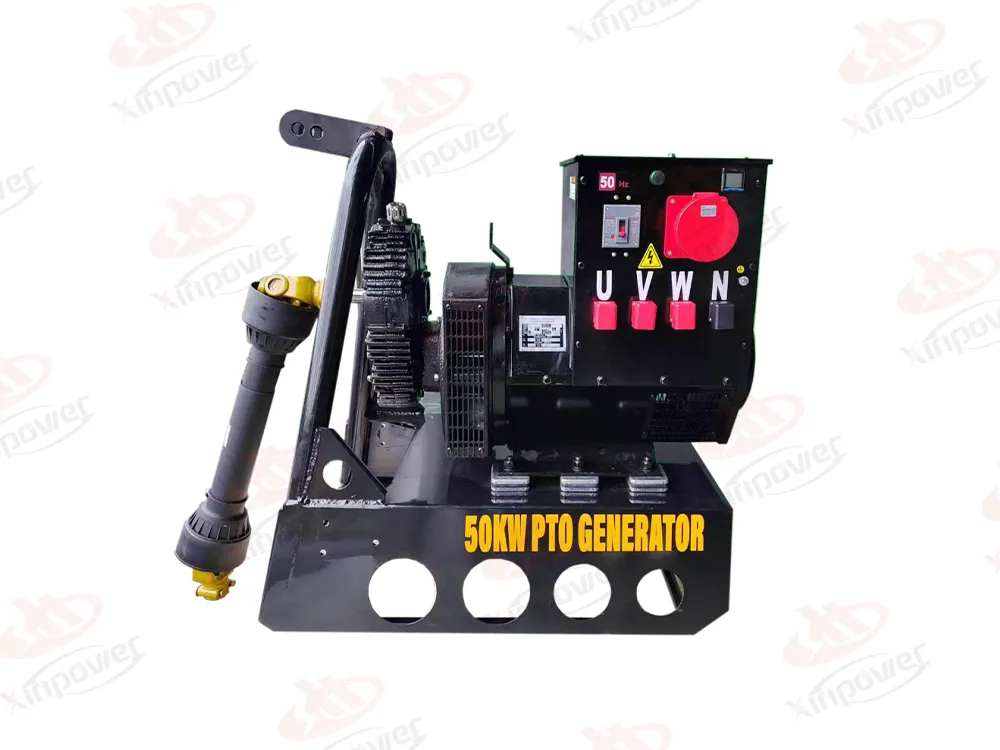
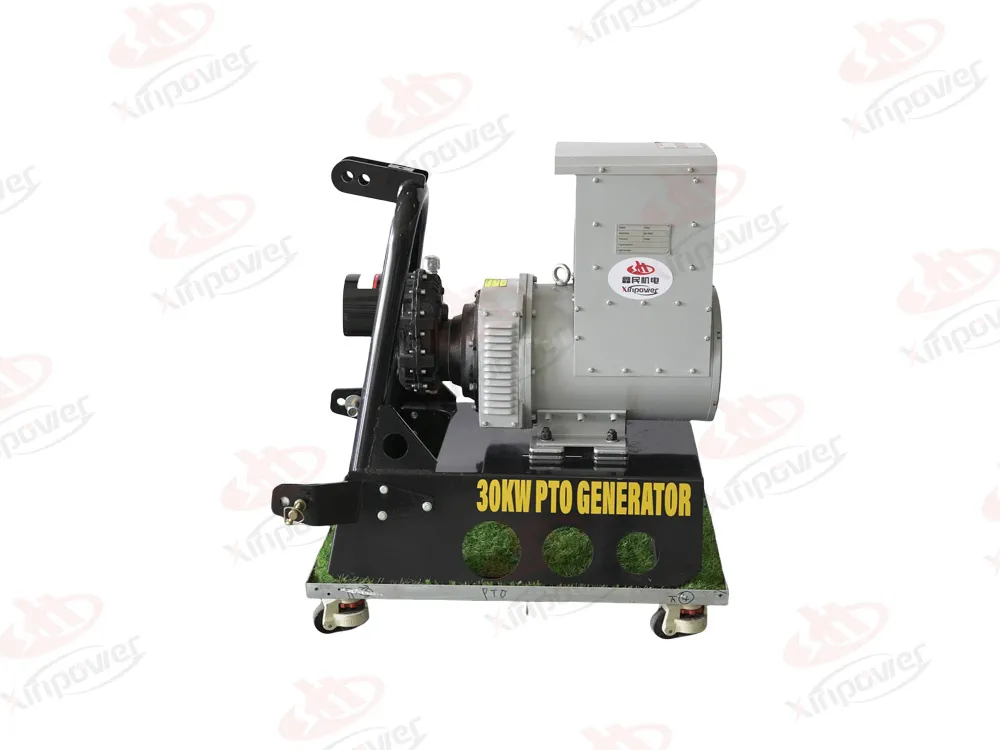
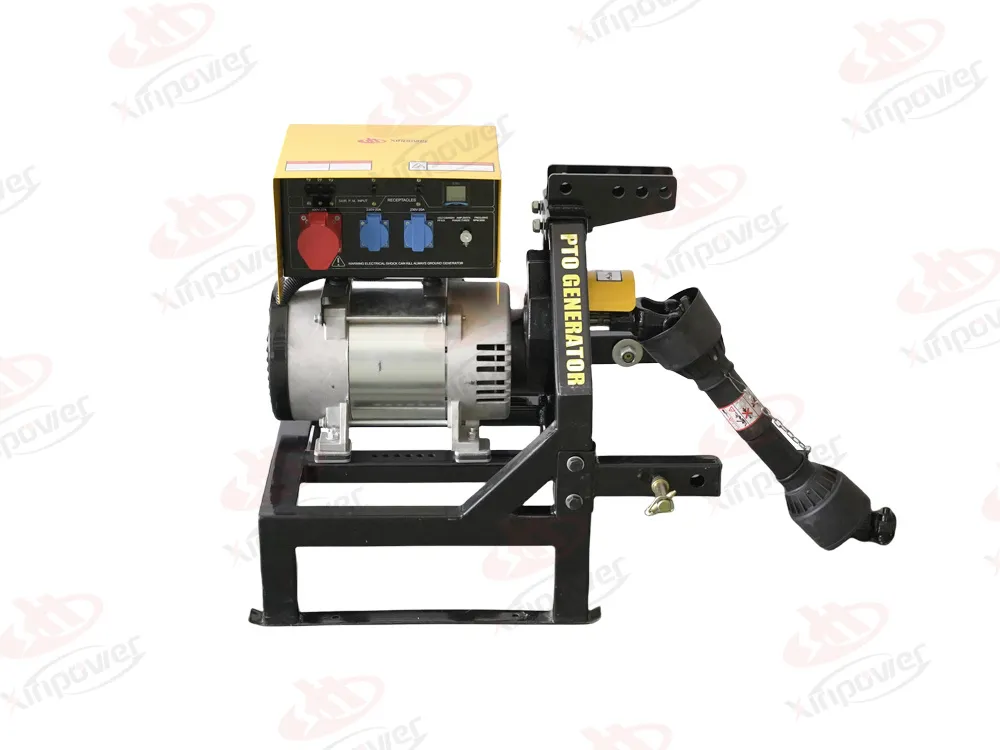
A PTO generator set is a backup power system that utilizes the power take-off shaft of a vehicle, typically a truck or tractor, to generate electricity. Unlike traditional standalone generators, PTO generators leverage the engine of the host vehicle to drive the generator, eliminating the need for a separate engine. This design makes PTO generators more compact, cost-effective, and versatile, as they can be easily transported and deployed wherever needed.
PTO generators are available in various sizes and capacities, making them suitable for a wide range of applications, from small businesses to large industrial facilities. They are particularly valuable in disaster recovery scenarios, where mobility, reliability, and rapid deployment are essential.
Key Benefits of PTO Generator Sets in Disaster Recovery
1. **Mobility and Flexibility**
One of the most significant advantages of PTO generator sets is their portability. Since they are mounted on vehicles, they can be quickly transported to disaster-affected areas or critical facilities that require backup power. This mobility is especially crucial in scenarios where power outages are widespread, and resources need to be allocated dynamically. For example, during a hurricane or earthquake, PTO generators can be deployed to emergency shelters, hospitals, or communication centers to ensure uninterrupted operations.
2. **Cost-Effectiveness**
PTO generators are often more affordable than standalone generators because they share the engine of the host vehicle. This reduces both the initial investment and long-term maintenance costs. For organizations with limited budgets, PTO generators provide a cost-effective solution for disaster recovery without compromising on performance or reliability.
3. **Rapid Deployment**
In disaster recovery, time is of the essence. PTO generators can be set up and operational within minutes, minimizing downtime and ensuring that critical systems remain functional. This rapid deployment capability is particularly valuable for industries such as healthcare, telecommunications, and emergency services, where even a brief power outage can have severe consequences.
4. **Scalability**
PTO generators are available in a range of power capacities, allowing organizations to scale their backup power solutions based on their specific needs. Whether powering a small office or a large industrial facility, PTO generators can be tailored to meet the required load. Additionally, multiple PTO generators can be connected in parallel to provide higher power output, making them a versatile option for disaster recovery.
5. **Fuel Efficiency**
Since PTO generators utilize the engine of the host vehicle, they often achieve higher fuel efficiency compared to standalone generators. This is particularly important during prolonged power outages, where fuel availability may be limited. By maximizing fuel efficiency, PTO generators help organizations extend their backup power capabilities and reduce operational costs.
6. **Redundancy and Reliability**
In disaster recovery planning, redundancy is a key principle to ensure uninterrupted operations. PTO generators can serve as a secondary or tertiary backup power source, complementing other systems such as uninterruptible power supplies (UPS) or Diesel Generators. This layered approach enhances overall reliability and reduces the risk of complete power failure.
7. **Adaptability to Diverse Environments**
PTO generators are designed to operate in a variety of environments, making them suitable for different disaster scenarios. Whether in urban areas, remote locations, or harsh weather conditions, PTO generators can provide reliable power. Their adaptability ensures that organizations can maintain critical operations regardless of the circumstances.
8. **Integration with Renewable Energy Sources**
As organizations increasingly adopt sustainable practices, PTO generators can be integrated with renewable energy sources such as solar panels or wind turbines. This hybrid approach not only reduces reliance on fossil fuels but also enhances the resilience of disaster recovery plans by diversifying energy sources.
Applications of PTO Generator Sets in Disaster Recovery
1. **Emergency Services**
During disasters, emergency services such as fire departments, police stations, and medical facilities must remain operational. PTO generators provide the necessary backup power to support life-saving equipment, communication systems, and lighting, ensuring that first responders can perform their duties effectively.
2. **Telecommunications**
Reliable communication is critical during disasters for coordinating response efforts and keeping the public informed. PTO generators can power cellular towers, data centers, and other telecommunications infrastructure, preventing disruptions in connectivity.
3. **Healthcare Facilities**
Hospitals and clinics require uninterrupted power to operate life-support systems, medical equipment, and electronic health records. PTO generators offer a dependable backup power solution, safeguarding patient care during emergencies.
4. **Critical Infrastructure**
Utilities, transportation systems, and water treatment plants are essential for maintaining public safety and well-being. PTO generators can ensure that these facilities remain operational, minimizing the impact of power outages on communities.
5. **Business Continuity**
For businesses, power outages can result in lost revenue, data corruption, and damage to equipment. PTO generators enable organizations to maintain critical operations, protect assets, and recover quickly from disasters.
Best Practices for Incorporating PTO Generators into Disaster Recovery Plans
1. **Conduct a Risk Assessment**
Identify potential risks and vulnerabilities that could lead to power outages, and determine the power requirements for critical systems and equipment.
2. **Select the Right PTO Generator**
Choose a PTO generator with the appropriate power capacity, fuel efficiency, and mobility features to meet your organization's needs.
3. **Develop a Deployment Strategy**
Establish clear protocols for transporting, setting up, and operating PTO generators during emergencies. Train staff to ensure smooth implementation.
4. **Perform Regular Maintenance**
Regularly inspect and maintain PTO generators to ensure they are in optimal condition and ready for use when needed.
5. **Test and Update the Plan**
Conduct periodic drills to test the effectiveness of your disaster recovery plan and make adjustments as necessary.
Conclusion
PTO generator sets play a vital role in enhancing disaster recovery plans by providing reliable, mobile, and cost-effective backup power solutions. Their unique advantages, including rapid deployment, scalability, and adaptability, make them an indispensable tool for organizations seeking to minimize the impact of power outages and ensure continuity during emergencies. By incorporating PTO generators into their disaster recovery strategies, businesses and communities can build resilience, protect critical operations, and recover more effectively from disasters.
This website uses cookies to ensure you get the best experience on our website.





 Phone
Phone