Whatsapp: +8615995188408 Email: aaron@xmdieselpower.com
 Français
 Deutsch




**Optimizing PTO Generator Set Performance in Humid Conditions**
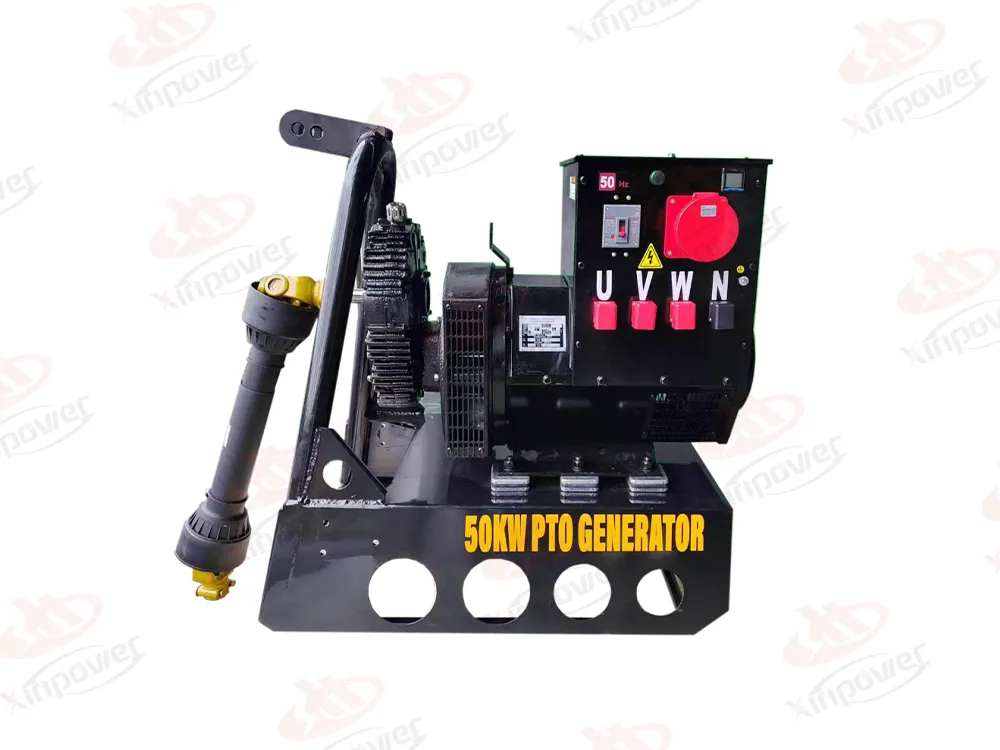
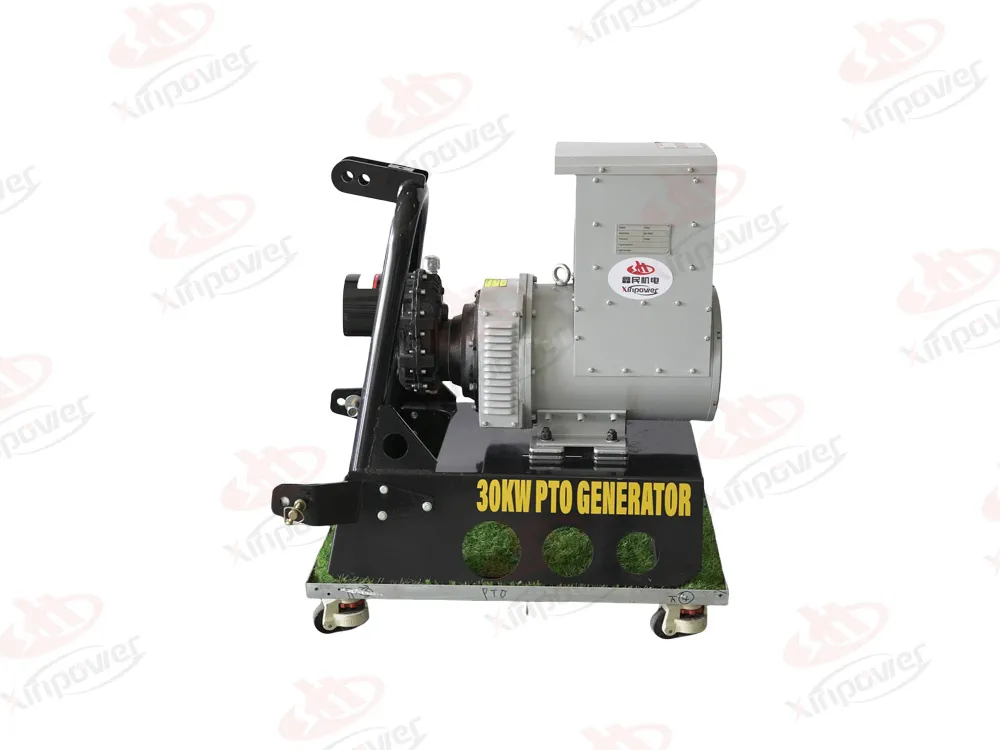
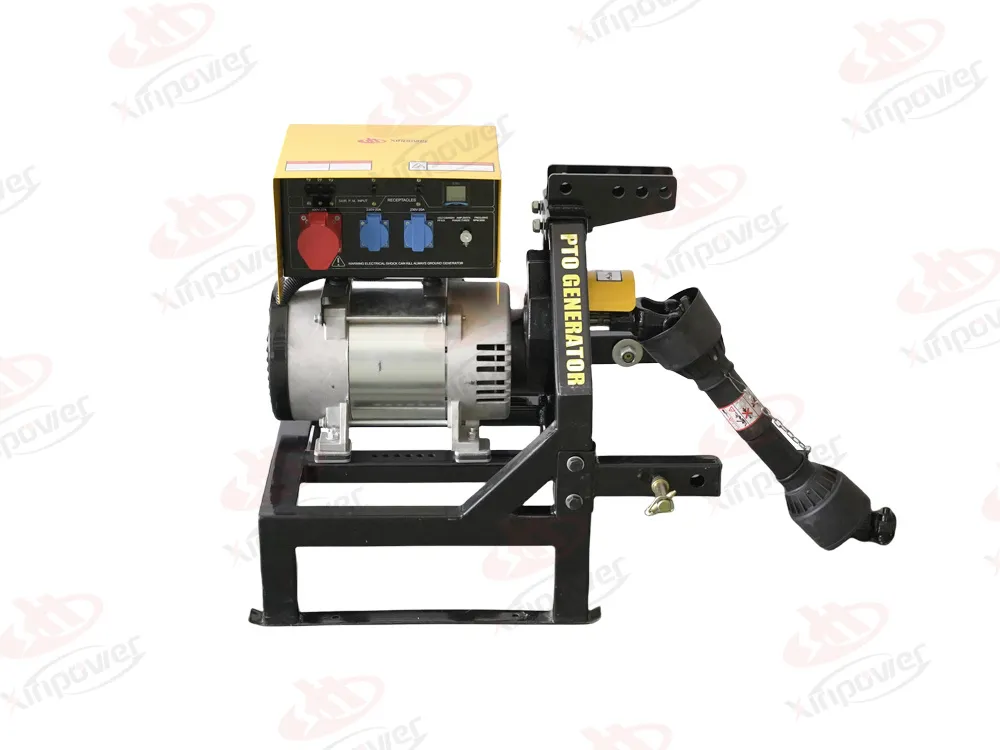
Power Take-Off (PTO) generator sets are widely used in various industries, including agriculture, construction, and emergency power supply. These systems are designed to convert mechanical energy from a tractor or other prime mover into electrical energy. However, operating PTO Generator sets in humid conditions can pose unique challenges that may affect their performance, efficiency, and longevity. This article provides a comprehensive guide on optimizing PTO Generator Set performance in humid environments.
---
**Understanding the Impact of Humidity on PTO Generator Sets**
Humidity refers to the amount of water vapor present in the air. High humidity levels can negatively affect PTO generator sets in several ways:
1. **Corrosion and Rust**: Moisture in the air accelerates the corrosion of metal components, including the generator's casing, electrical connections, and internal parts.
2. **Electrical Insulation Degradation**: Humidity can compromise the insulation of electrical components, leading to short circuits, reduced efficiency, and potential equipment failure.
3. **Condensation**: When warm, humid air comes into contact with cooler surfaces, condensation can form, leading to water accumulation in critical areas.
4. **Engine Performance**: High humidity can reduce the efficiency of the combustion process in the prime mover (e.g., tractor engine), affecting the overall performance of the PTO generator set.
5. **Fuel Contamination**: Moisture can infiltrate fuel systems, leading to fuel contamination and reduced engine performance.
---
**Strategies for Optimizing PTO Generator Set Performance in Humid Conditions**
To mitigate the adverse effects of humidity and ensure optimal performance, the following strategies can be implemented:
**1. Proper Storage and Shelter**
- **Enclosed Housing**: Store the PTO generator set in a dry, well-ventilated enclosure to protect it from direct exposure to moisture. If possible, use a climate-controlled environment.
- **Covers**: Use waterproof covers when the generator is not in use, especially during periods of high humidity or rain.
- **Elevated Storage**: Place the generator on a raised platform to prevent water accumulation and reduce the risk of flooding.
**2. Regular Maintenance**
- **Inspect for Corrosion**: Regularly check for signs of rust or corrosion on metal components. Apply anti-corrosion coatings or lubricants to protect vulnerable areas.
- **Clean Electrical Connections**: Ensure that all electrical connections are clean, dry, and free of corrosion. Use dielectric grease to protect connections from moisture.
- **Replace Insulation**: Inspect and replace any worn or damaged insulation on wiring and electrical components to prevent short circuits.
**3. Moisture Control**
- **Desiccants**: Place moisture-absorbing desiccants (e.g., silica gel) inside the generator housing to reduce humidity levels.
- **Heaters**: Install space heaters or dehumidifiers in the storage area to maintain a dry environment.
- **Ventilation**: Ensure proper ventilation to prevent the buildup of humid air around the generator.
**4. Fuel Management**
- **Use Fuel Additives**: Add fuel stabilizers and moisture inhibitors to the fuel tank to prevent water contamination.
- **Regular Fuel Checks**: Inspect the fuel system for water accumulation and drain any water from the fuel tank or filters.
- **Fuel Storage**: Store fuel in sealed containers in a dry, cool location to minimize exposure to humidity.
**5. Engine Optimization**
- **Air Filters**: Clean or replace air filters regularly to ensure proper airflow and combustion efficiency, especially in humid conditions.
- **Cooling System**: Check the cooling system for leaks or blockages that could lead to overheating or condensation.
- **Spark Plugs and Ignition System**: Inspect and maintain the ignition system to ensure reliable engine performance.
**6. Load Management**
- **Avoid Overloading**: Operate the generator within its rated capacity to prevent excessive heat buildup, which can exacerbate humidity-related issues.
- **Balanced Load**: Distribute the electrical load evenly to avoid strain on the generator and ensure stable operation.
**7. Monitoring and Diagnostics**
- **Humidity Sensors**: Install humidity sensors in the generator housing to monitor moisture levels and take corrective action if necessary.
- **Regular Testing**: Conduct periodic performance tests to identify and address any issues before they escalate.
- **Remote Monitoring**: Use remote monitoring systems to track the generator's performance and environmental conditions in real time.
**8. Training and Best Practices**
- **Operator Training**: Train operators on the specific challenges of operating PTO generator sets in humid conditions and the best practices for maintenance and troubleshooting.
- **Documentation**: Maintain detailed records of maintenance activities, performance tests, and any issues encountered.
---
**Additional Tips for Humid Environments**
- **Use Weather-Resistant Materials**: When possible, opt for components made from weather-resistant materials, such as stainless steel or corrosion-resistant alloys.
- **Install Drainage Systems**: Ensure that the generator housing or storage area has proper drainage to prevent water accumulation.
- **Emergency Preparedness**: Have a contingency plan in place for extreme weather conditions, such as heavy rain or flooding, to protect the generator and ensure uninterrupted operation.
---
**Conclusion**
Operating PTO generator sets in humid conditions requires proactive measures to mitigate the adverse effects of moisture and ensure reliable performance. By implementing proper storage practices, regular maintenance, moisture control, and load management, operators can optimize the efficiency and longevity of their equipment. Additionally, investing in monitoring systems and operator training can further enhance the generator's performance in challenging environments. With these strategies in place, PTO generator sets can continue to provide dependable power even in the most humid conditions.
This website uses cookies to ensure you get the best experience on our website.





 Phone
Phone