Whatsapp: +8615995188408 Email: aaron@xmdieselpower.com
 Français
 Deutsch




**PTO Generator Set Troubleshooting: Common Fixes**
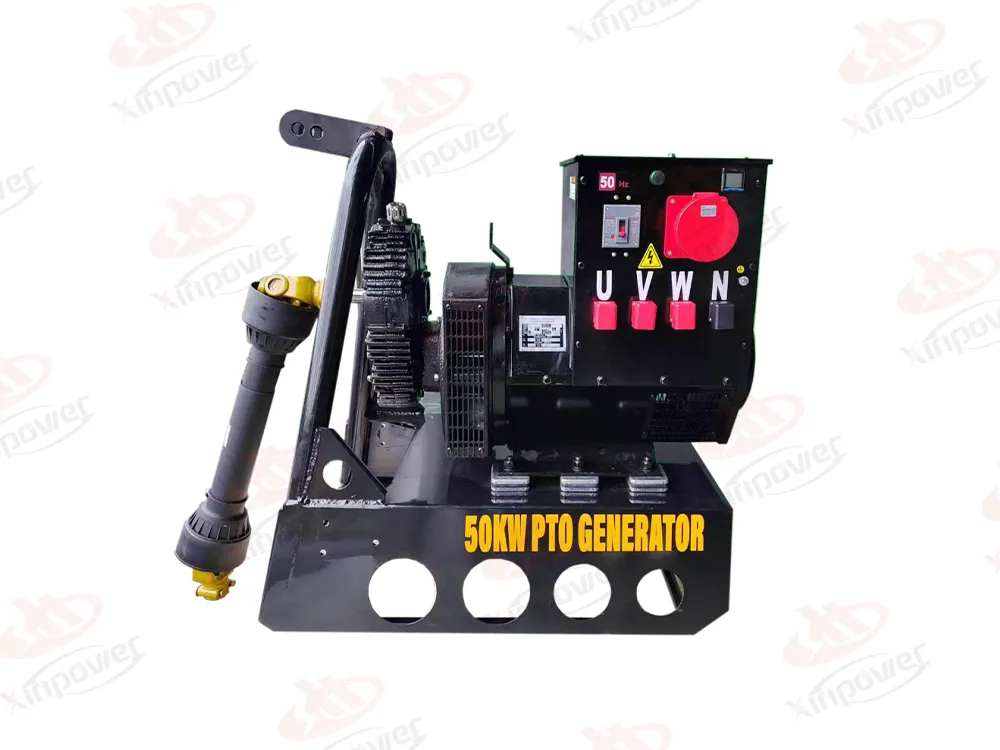
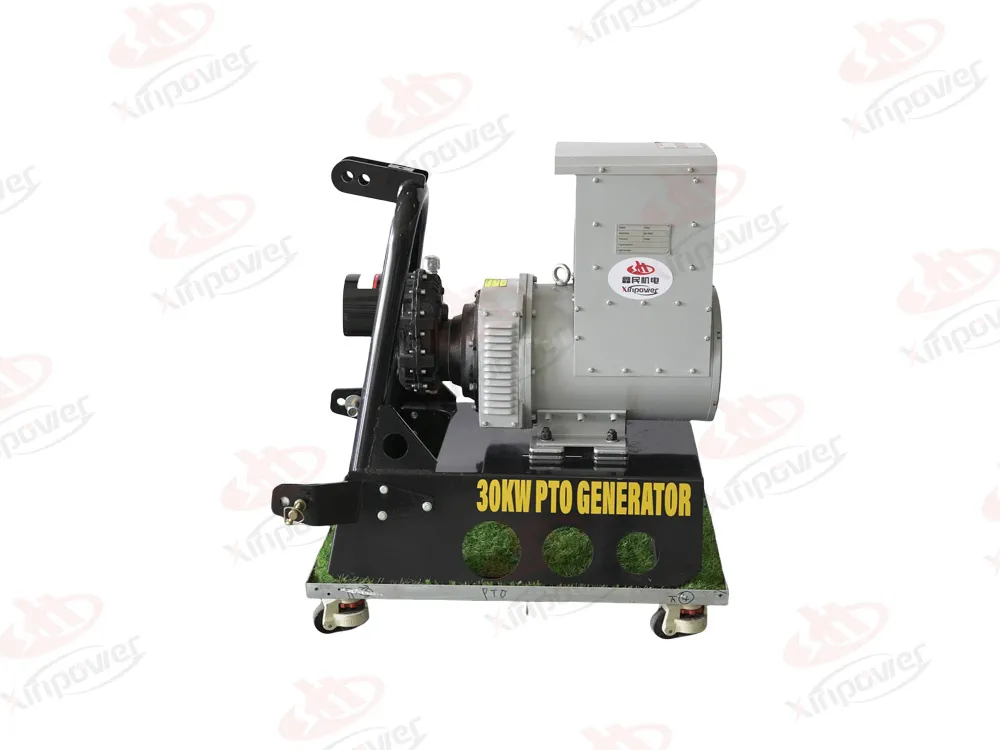
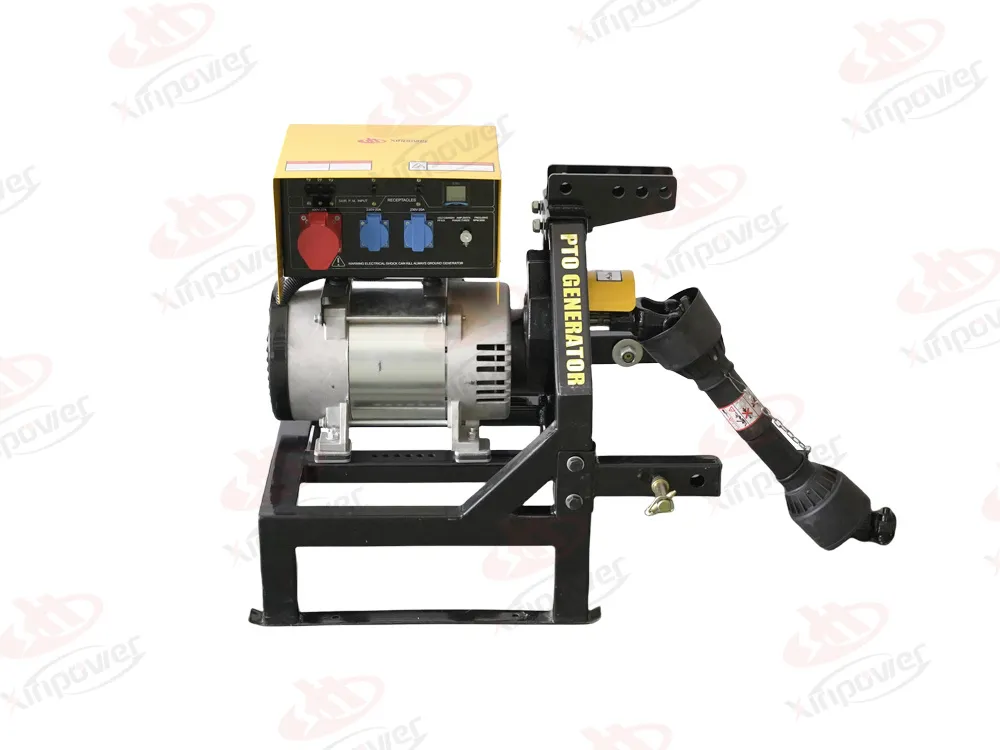
Power Take-Off (PTO) generator sets are essential for providing reliable power in various applications, including agriculture, construction, and emergency backup systems. However, like any mechanical equipment, PTO Generators can encounter issues that require troubleshooting and repair. Understanding common problems and their fixes can help ensure the generator operates efficiently and reliably. Below is a comprehensive guide to troubleshooting PTO Generator Sets, along with common fixes.
---
**1. Generator Not Producing Power**
**Possible Causes:**
- **Loss of Residual Magnetism:** PTO generators rely on residual magnetism to produce power. If the generator has been idle for a long time, it may lose this magnetism.
- **Faulty Voltage Regulator:** A malfunctioning voltage regulator can prevent the generator from producing power.
- **Loose or Damaged Wiring:** Poor connections or damaged wiring can disrupt the flow of electricity.
- **Engine Speed Issues:** The generator may not produce power if the engine is running at an incorrect speed.
**Fixes:**
- **Re-magnetize the Generator:** Use a battery or external power source to restore residual magnetism.
- **Check the Voltage Regulator:** Test the voltage regulator and replace it if faulty.
- **Inspect Wiring:** Tighten loose connections and repair or replace damaged wires.
- **Adjust Engine Speed:** Ensure the engine is running at the correct RPM (usually 540 or 1000 RPM for PTO generators).
---
**2. Low or Fluctuating Power Output**
**Possible Causes:**
- **Incorrect Engine Speed:** The engine may be running too fast or too slow, affecting the generator’s output.
- **Overloaded Generator:** The generator may be overloaded, causing voltage drops.
- **Faulty Capacitor or AVR:** A defective capacitor or Automatic Voltage Regulator (AVR) can cause inconsistent power output.
- **Dirty or Worn Brushes:** Dirty or worn brushes can lead to poor electrical contact.
**Fixes:**
- **Verify Engine Speed:** Use a tachometer to ensure the engine is running at the correct speed.
- **Reduce Load:** Disconnect non-essential loads to prevent overloading.
- **Test and Replace Components:** Check the capacitor and AVR, and replace them if necessary.
- **Clean or Replace Brushes:** Inspect the brushes and clean or replace them as needed.
---
**3. Engine Stalling or Running Rough**
**Possible Causes:**
- **Insufficient Fuel Supply:** A clogged fuel filter or empty fuel tank can starve the engine.
- **Air in the Fuel System:** Air bubbles in the fuel line can disrupt engine performance.
- **Dirty or Faulty Spark Plug:** A fouled or damaged spark plug can cause misfires.
- **Improper PTO Engagement:** The PTO shaft may not be properly engaged with the tractor.
**Fixes:**
- **Check Fuel Supply:** Ensure the fuel tank is full and replace the fuel filter if clogged.
- **Bleed the Fuel System:** Remove air from the fuel lines by bleeding the system.
- **Inspect the Spark Plug:** Clean or replace the spark plug.
- **Engage PTO Correctly:** Ensure the PTO shaft is securely connected and engaged.
---
**4. Excessive Noise or Vibration**
**Possible Causes:**
- **Loose Mounting Bolts:** Loose bolts can cause the generator to vibrate excessively.
- **Misaligned PTO Shaft:** A misaligned PTO shaft can create noise and vibration.
- **Worn Bearings:** Worn bearings in the generator or engine can cause noise.
- **Unbalanced Load:** An unbalanced load on the generator can lead to vibration.
**Fixes:**
- **Tighten Mounting Bolts:** Check and tighten all bolts securing the generator.
- **Align the PTO Shaft:** Ensure the PTO shaft is properly aligned with the tractor.
- **Replace Bearings:** Inspect and replace worn bearings.
- **Balance the Load:** Distribute the load evenly across the generator’s phases.
---
**5. Overheating**
**Possible Causes:**
- **Insufficient Cooling Airflow:** Blocked air vents or a dirty cooling system can cause overheating.
- **Overloaded Generator:** Running the generator beyond its rated capacity can lead to overheating.
- **Low Oil Level:** Insufficient oil can cause the engine to overheat.
- **Faulty Thermostat:** A malfunctioning thermostat can disrupt the cooling system.
**Fixes:**
- **Clean Air Vents:** Remove debris blocking the air vents.
- **Reduce Load:** Disconnect excess loads to prevent overloading.
- **Check Oil Level:** Ensure the oil level is adequate and top up if necessary.
- **Test the Thermostat:** Replace the thermostat if it’s not functioning properly.
---
**6. Generator Tripping Circuit Breaker**
**Possible Causes:**
- **Short Circuit:** A short circuit in the wiring or connected devices can trip the breaker.
- **Overloaded Circuit:** The generator may be supplying more power than the circuit can handle.
- **Ground Fault:** A ground fault can cause the breaker to trip.
- **Faulty Breaker:** The circuit breaker itself may be defective.
**Fixes:**
- **Inspect Wiring:** Check for damaged or shorted wires and repair them.
- **Reduce Load:** Disconnect some devices to reduce the load on the circuit.
- **Test for Ground Faults:** Use a multimeter to identify and fix ground faults.
- **Replace the Breaker:** If the breaker is faulty, replace it with a new one.
---
**7. Battery Not Charging**
**Possible Causes:**
- **Faulty Alternator:** A malfunctioning alternator can fail to charge the battery.
- **Loose or Corroded Connections:** Poor connections can disrupt the charging process.
- **Dead Battery:** The battery may be too old or damaged to hold a charge.
- **Blown Fuse:** A blown fuse in the charging circuit can prevent the battery from charging.
**Fixes:**
- **Test the Alternator:** Check the alternator’s output and replace it if necessary.
- **Clean Connections:** Remove corrosion and tighten battery terminals.
- **Replace the Battery:** If the battery is dead, install a new one.
- **Check Fuses:** Inspect and replace any blown fuses.
---
**8. Generator Produces Excessive Smoke**
**Possible Causes:**
- **Burning Oil:** Worn piston rings or valve seals can cause oil to burn, producing smoke.
- **Clogged Air Filter:** A dirty air filter can lead to incomplete combustion.
- **Incorrect Fuel Mixture:** An improper air-fuel ratio can cause smoke.
- **Overloaded Generator:** Running the generator beyond its capacity can lead to overheating and smoke.
**Fixes:**
- **Inspect Engine Components:** Check and replace worn piston rings or valve seals.
- **Clean or Replace Air Filter:** Ensure the air filter is clean and unobstructed.
- **Adjust Fuel Mixture:** Correct the air-fuel ratio as per the manufacturer’s specifications.
- **Reduce Load:** Disconnect excess loads to prevent overloading.
---
**Conclusion**
Regular maintenance and timely troubleshooting are key to ensuring the reliability and longevity of a PTO generator set. By understanding common issues and their fixes, operators can minimize downtime and keep the generator running smoothly. Always refer to the manufacturer’s manual for specific instructions and safety guidelines when performing repairs or maintenance. If problems persist or are beyond your expertise, consult a professional technician for assistance.
This website uses cookies to ensure you get the best experience on our website.





 Phone
Phone