Whatsapp: +8615995188408 Email: aaron@xmdieselpower.com
 Français
 Deutsch




PTO Generator Set Industry Standards and Certifications
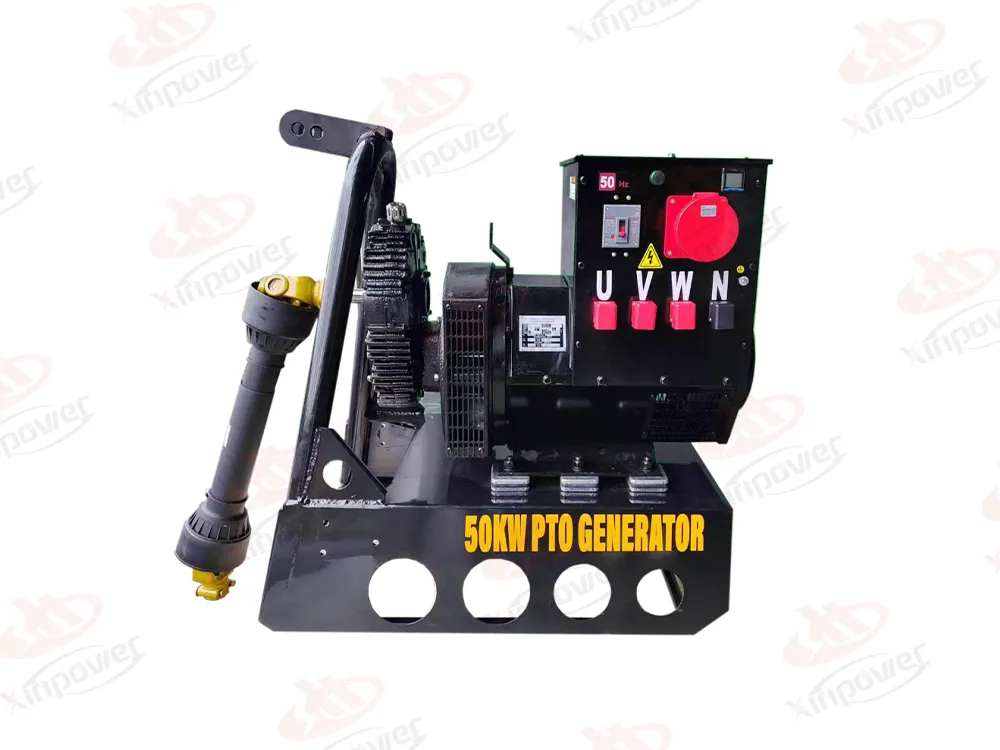
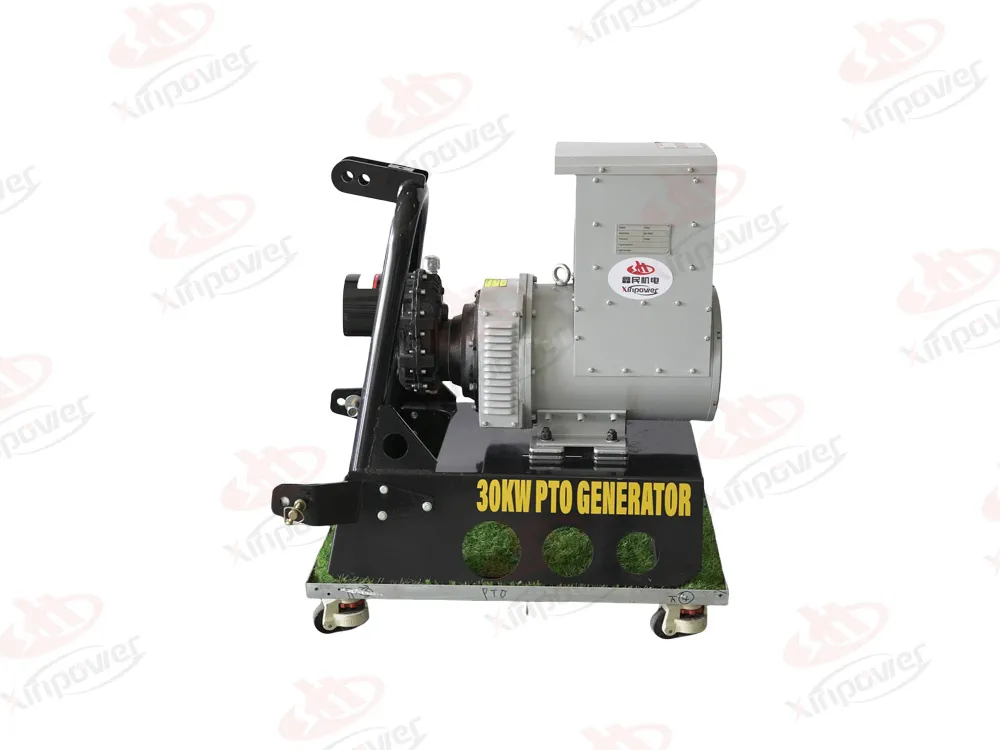
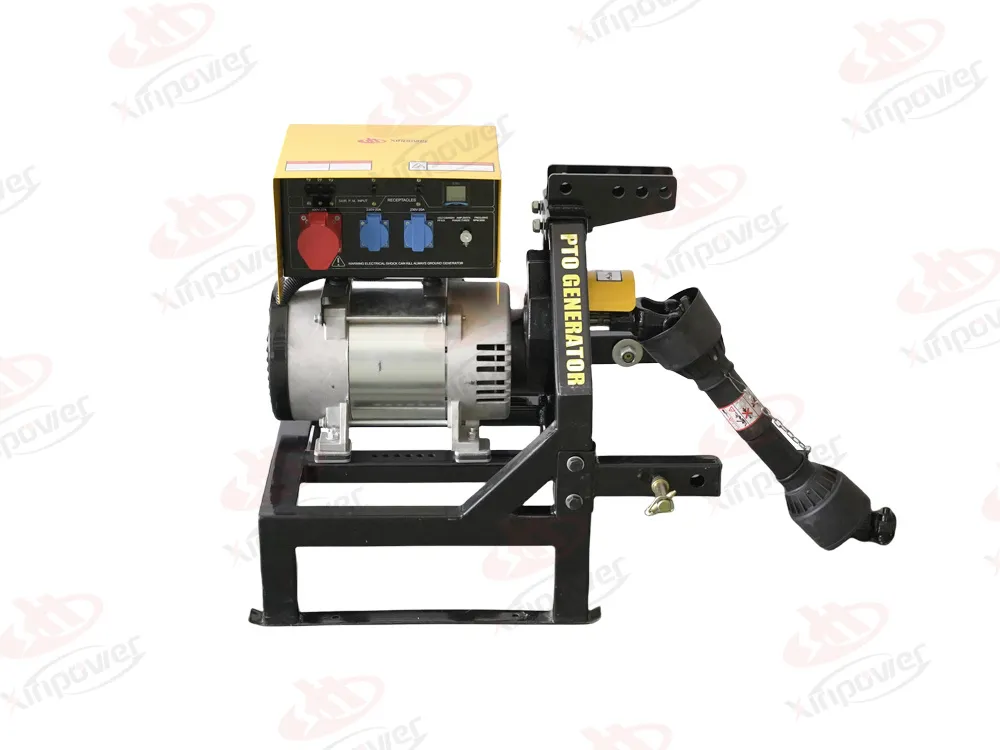
Power Take-Off (PTO) generator sets are essential components in various industries, providing reliable and efficient power generation by harnessing the mechanical energy from engines, typically in agricultural, construction, and industrial applications. To ensure safety, reliability, and performance, PTO Generator sets must adhere to a range of industry standards and certifications. These standards are established by international, national, and regional organizations to regulate design, manufacturing, testing, and operation. This article provides an overview of the key standards and certifications relevant to PTO Generator Sets.
1. **International Electrotechnical Commission (IEC) Standards**
The IEC is a global organization that develops and publishes international standards for electrical, electronic, and related technologies. PTO generator sets must comply with several IEC standards, including:
- **IEC 60034:** This series of standards covers rotating electrical machines, including generators. It specifies requirements for performance, efficiency, and testing methods.
- **IEC 60204:** This standard focuses on the safety of machinery, including electrical equipment. It outlines requirements for electrical systems, protection against electric shock, and emergency stop functions.
- **IEC 60947:** This standard applies to low-voltage switchgear and control gear, which are critical components in PTO generator sets.
Compliance with IEC standards ensures that PTO generator sets meet global performance and safety benchmarks, facilitating international trade and interoperability.
2. **National Electrical Manufacturers Association (NEMA) Standards**
NEMA is a U.S.-based organization that develops standards for electrical equipment, including generators. Key NEMA standards for PTO generator sets include:
- **NEMA MG 1:** This standard specifies performance and testing requirements for motors and generators. It covers aspects such as efficiency, temperature rise, and insulation systems.
- **NEMA 250:** This standard outlines enclosure requirements for electrical equipment, ensuring protection against environmental factors like dust, water, and corrosion.
Adherence to NEMA standards is critical for manufacturers targeting the U.S. market, as it ensures compatibility with local regulations and customer expectations.
3. **Underwriters Laboratories (UL) Certification**
UL is a global safety certification company that tests and certifies electrical equipment. UL certification is widely recognized and often required for PTO generator sets sold in North America. Key UL standards include:
- **UL 2200:** This standard covers stationary engine generator assemblies, including PTO generator sets. It addresses safety requirements such as electrical insulation, grounding, and protection against fire hazards.
- **UL 1004:** This standard applies to rotating electrical machines, including generators. It specifies requirements for construction, performance, and testing.
UL certification provides assurance that PTO generator sets meet stringent safety and performance criteria, reducing the risk of accidents and equipment failure.
4. **European Union (EU) Directives and CE Marking**
In the European Union, PTO generator sets must comply with various directives to ensure safety and environmental protection. The CE marking indicates conformity with these directives. Key directives include:
- **Low Voltage Directive (LVD) 2014/35/EU:** This directive applies to electrical equipment operating within certain voltage limits. It sets essential safety requirements for PTO generator sets.
- **Electromagnetic Compatibility (EMC) Directive 2014/30/EU:** This directive ensures that PTO generator sets do not cause or suffer from electromagnetic interference, which could affect other equipment.
- **Machinery Directive 2006/42/EC:** This directive applies to machinery, including PTO generator sets, and sets safety requirements for design, construction, and operation.
Compliance with EU directives and CE marking is mandatory for PTO generator sets sold in the European market.
5. **International Organization for Standardization (ISO) Standards**
ISO develops international standards for various industries, including power generation. Relevant ISO standards for PTO generator sets include:
- **ISO 8528:** This standard specifies requirements for reciprocating internal combustion engine-driven generating sets, including PTO generator sets. It covers performance, testing, and safety aspects.
- **ISO 9001:** This standard outlines requirements for quality management systems. Manufacturers of PTO generator sets can achieve ISO 9001 certification to demonstrate their commitment to quality and continuous improvement.
ISO standards ensure that PTO generator sets meet global quality and performance benchmarks, enhancing customer confidence and market competitiveness.
6. **Occupational Safety and Health Administration (OSHA) Regulations**
In the United States, OSHA sets and enforces workplace safety standards. While OSHA does not issue specific certifications for PTO generator sets, compliance with OSHA regulations is essential for safe operation. Key considerations include:
- Electrical safety and grounding
- Protection against fire and explosion hazards
- Proper installation and maintenance procedures
Adhering to OSHA regulations helps prevent workplace accidents and ensures the safe use of PTO generator sets.
7. **Environmental Protection Agency (EPA) Regulations**
The EPA regulates emissions from internal combustion engines, which are often used in PTO generator sets. Compliance with EPA Tier 4 emissions standards is mandatory for engines used in PTO generator sets in the United States. These standards aim to reduce harmful pollutants such as nitrogen oxides (NOx) and particulate matter (PM).
8. **Military Standards (MIL-STD)**
For PTO generator sets used in military applications, compliance with MIL-STD is often required. These standards ensure that equipment meets the rigorous performance, durability, and safety requirements of military operations. Relevant MIL-STD standards include:
- **MIL-STD-810:** This standard covers environmental testing methods for military equipment, ensuring resistance to extreme conditions such as temperature, humidity, and vibration.
- **MIL-STD-461:** This standard addresses electromagnetic compatibility requirements for military equipment, ensuring reliable operation in electromagnetic environments.
Conclusion
PTO generator sets must comply with a wide range of industry standards and certifications to ensure safety, reliability, and performance. These standards are established by organizations such as the IEC, NEMA, UL, ISO, and regulatory bodies like the EU, OSHA, and EPA. Compliance with these standards not only ensures legal and regulatory adherence but also enhances customer confidence and market competitiveness. Manufacturers and operators of PTO generator sets must stay informed about evolving standards and certifications to maintain compliance and deliver high-quality products.
This website uses cookies to ensure you get the best experience on our website.





 Phone
Phone