Whatsapp: +8615995188408 Email: aaron@xmdieselpower.com
 Français
 Deutsch




**PTO Generator Set Energy Storage Solutions**
**Introduction**
Power Take-Off (PTO) generator sets are widely used in various industries to convert mechanical energy from engines or other prime movers into electrical energy. These systems are particularly popular in applications such as agriculture, construction, marine, and emergency power generation. However, the efficiency and reliability of PTO Generator sets can be significantly enhanced by integrating energy storage solutions. This article explores the concept of energy storage in PTO generator systems, the benefits it offers, and the various technologies available for implementing such solutions.
**Understanding PTO Generator Sets**
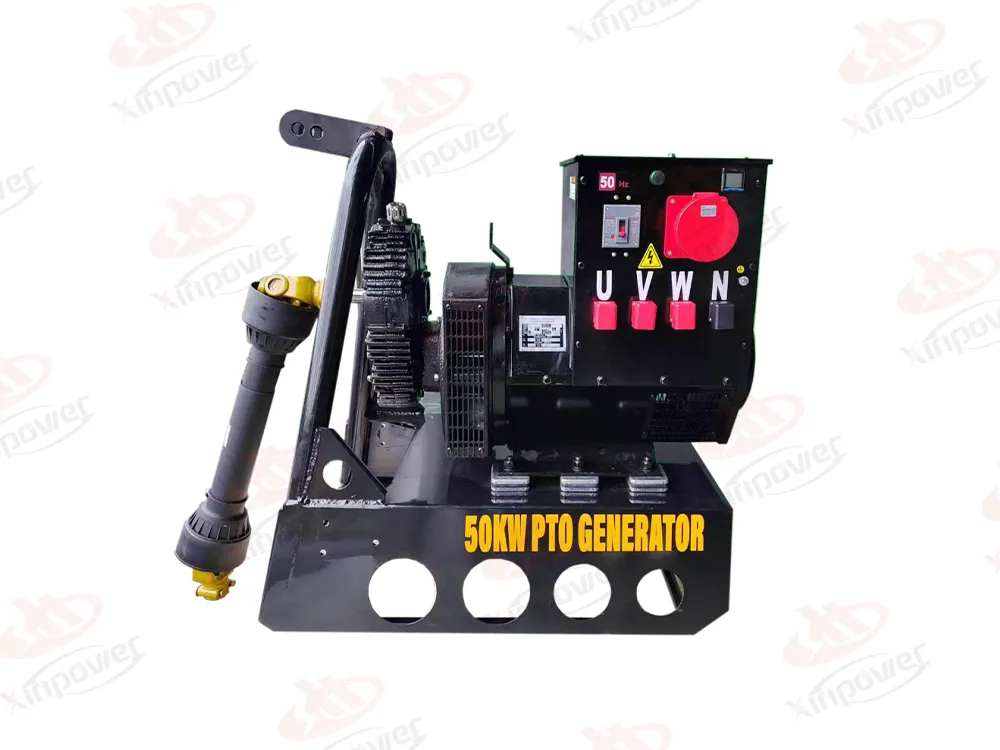
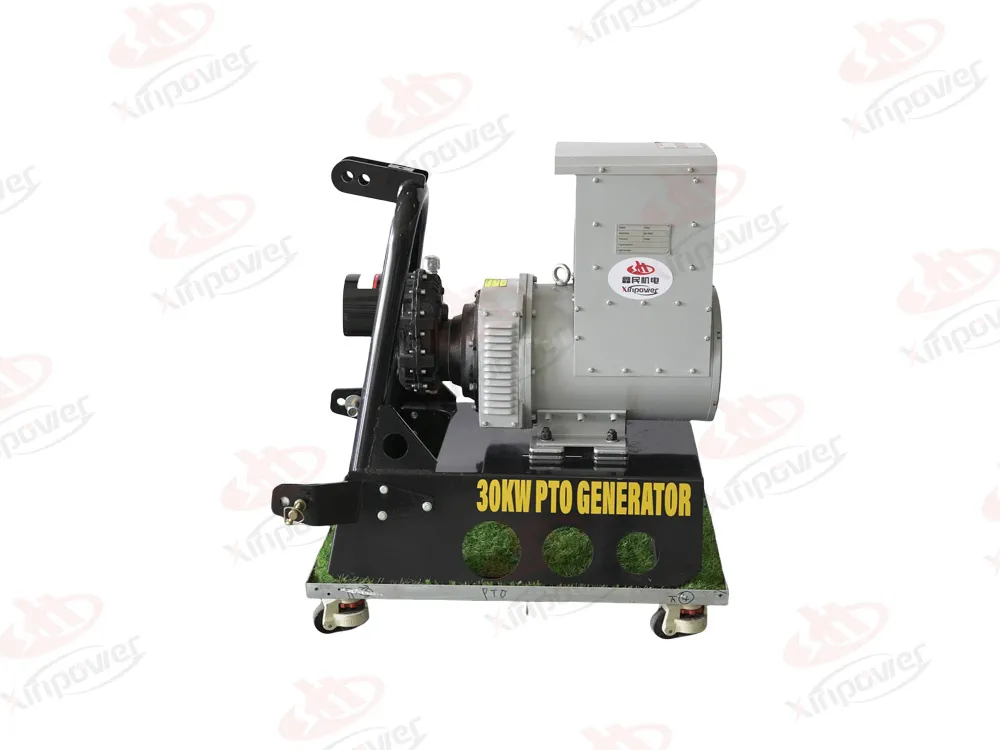
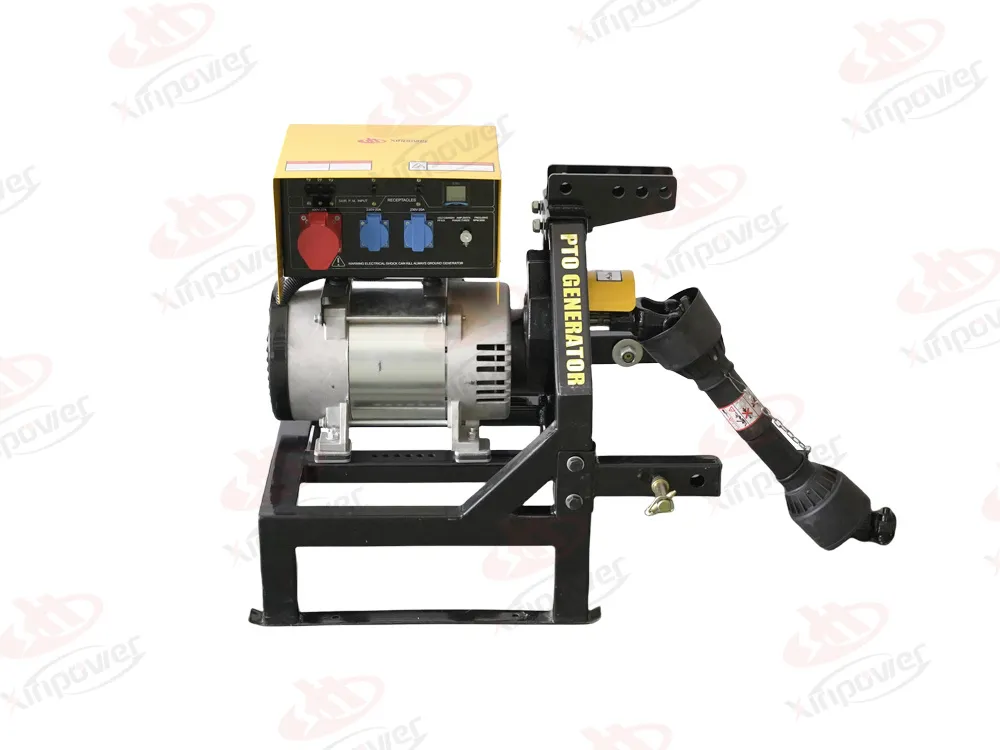
A PTO generator set typically consists of a mechanical drive system connected to an engine (such as a diesel or gasoline engine) and an electrical generator. The mechanical energy from the engine is transferred to the generator via a PTO shaft, which then converts it into electrical energy. These systems are highly versatile and can be used in both stationary and mobile applications.
**The Need for Energy Storage in PTO Generator Sets**
While PTO generator sets are effective in generating power, they have certain limitations that can be addressed by incorporating energy storage solutions:
1. **Load Variability:** In many applications, the electrical load can vary significantly over time. For example, in agricultural operations, the power demand may spike during certain tasks and drop during others. Energy storage systems can help smooth out these variations by storing excess energy during low-demand periods and releasing it during peak demand.
2. **Fuel Efficiency:** PTO generators often operate at less than optimal efficiency when the engine is running at partial load. By integrating energy storage, the engine can be run at its most efficient operating point, and excess energy can be stored for later use, thereby reducing fuel consumption.
3. **Grid Independence:** In remote or off-grid locations, PTO generator sets are often the primary source of power. Energy storage systems can provide backup power during engine shutdowns or maintenance, ensuring continuous power supply.
4. **Environmental Impact:** Reducing the runtime of engines by using stored energy can lead to lower emissions and a smaller carbon footprint, contributing to environmental sustainability.
**Energy Storage Technologies for PTO Generator Sets**
Several energy storage technologies can be integrated with PTO generator sets, each with its own advantages and limitations:
1. **Battery Energy Storage Systems (BESS):**
- **Lead-Acid Batteries:** These are the most traditional and widely used batteries for energy storage. They are relatively inexpensive and have a well-established recycling infrastructure. However, they have a limited cycle life and lower energy density compared to other technologies.
- **Lithium-Ion Batteries:** Lithium-ion batteries offer higher energy density, longer cycle life, and faster charging capabilities compared to lead-acid batteries. They are increasingly being used in PTO generator applications, especially where space and weight are critical factors.
- **Flow Batteries:** Flow batteries, such as vanadium redox flow batteries, offer the advantage of decoupling power and energy capacity. They are highly scalable and have a long cycle life, making them suitable for large-scale energy storage applications.
2. **Supercapacitors:**
Supercapacitors, also known as ultracapacitors, are capable of delivering high power in short bursts. They are ideal for applications requiring rapid charge and discharge cycles, such as load leveling and peak shaving in PTO generator systems. However, they have lower energy density compared to batteries, making them less suitable for long-term energy storage.
3. **Flywheel Energy Storage:**
Flywheel energy storage systems store energy in the form of rotational kinetic energy. They are highly efficient and can provide rapid response to load changes. Flywheels are particularly useful in applications requiring short-duration energy storage and high power output.
4. **Hydrogen Fuel Cells:**
Hydrogen fuel cells can be used in conjunction with PTO generator sets to store energy in the form of hydrogen gas. When needed, the hydrogen can be converted back into electricity through a fuel cell. This technology offers the advantage of long-term energy storage and zero emissions, but it requires a complex infrastructure for hydrogen production, storage, and distribution.
**Integration Strategies**
The integration of energy storage with PTO generator sets requires careful planning and design to ensure optimal performance. Some key considerations include:
1. **System Sizing:** The energy storage system must be appropriately sized to meet the specific power and energy requirements of the application. This involves analyzing the load profile, determining the required storage capacity, and selecting the appropriate technology.
2. **Control Systems:** Advanced control systems are essential for managing the interaction between the PTO generator, the energy storage system, and the load. These systems can optimize the operation of the generator, manage the charge and discharge cycles of the storage system, and ensure a stable power supply.
3. **Safety and Reliability:** Safety is a critical consideration when integrating energy storage systems, especially with technologies like lithium-ion batteries and hydrogen fuel cells. Proper safety measures, such as thermal management, overcharge protection, and fire suppression systems, must be implemented to ensure reliable operation.
4. **Economic Viability:** The cost of energy storage systems can be a significant factor in the decision-making process. It is important to conduct a thorough cost-benefit analysis to determine the economic viability of integrating energy storage with PTO generator sets.
**Case Studies and Applications**
1. **Agricultural Operations:** In farming, PTO generator sets are often used to power irrigation systems, grain dryers, and other equipment. By integrating battery energy storage, farmers can reduce fuel consumption and ensure a stable power supply, even during periods of high demand.
2. **Construction Sites:** Construction sites often rely on portable PTO generators to power tools and equipment. Supercapacitors or flywheel energy storage can be used to handle short-duration power spikes, reducing the need for oversized generators and improving fuel efficiency.
3. **Marine Applications:** Onboard PTO generators are commonly used in marine vessels to provide auxiliary power. Lithium-ion batteries or hydrogen fuel cells can be integrated to provide backup power and reduce emissions, especially in environmentally sensitive areas.
4. **Emergency Power:** In emergency situations, such as natural disasters, PTO generators are often used to provide critical power. Energy storage systems can ensure continuous power supply during engine shutdowns or fuel shortages, enhancing the reliability of emergency power systems.
**Future Trends and Innovations**
The field of energy storage is rapidly evolving, with new technologies and innovations emerging that could further enhance the performance of PTO generator sets:
1. **Solid-State Batteries:** Solid-state batteries promise higher energy density, faster charging, and improved safety compared to traditional lithium-ion batteries. As this technology matures, it could become a game-changer for energy storage in PTO generator applications.
2. **Hybrid Energy Storage Systems:** Combining different energy storage technologies, such as batteries and supercapacitors, can offer the benefits of both high energy density and high power output. Hybrid systems are likely to become more common in PTO generator applications.
3. **Smart Grid Integration:** As the grid becomes more intelligent and interconnected, PTO generator sets with energy storage could play a role in grid stabilization and demand response. Advanced control systems and communication technologies will be key to enabling this integration.
4. **Renewable Energy Integration:** PTO generator sets can be paired with renewable energy sources, such as solar panels or wind turbines, to create hybrid power systems. Energy storage can help balance the intermittent nature of renewable energy, providing a more reliable and sustainable power solution.
**Conclusion**
Energy storage solutions offer significant benefits for PTO generator sets, including improved efficiency, reliability, and environmental performance. By integrating technologies such as batteries, supercapacitors, flywheels, and hydrogen fuel cells, PTO generator systems can be optimized to meet the demands of various applications. As the field of energy storage continues to evolve, we can expect to see even more innovative solutions that further enhance the capabilities of PTO generator sets. Whether in agriculture, construction, marine, or emergency power, the integration of energy storage with PTO generators is a promising approach to meeting the growing demand for efficient and sustainable power generation.
This website uses cookies to ensure you get the best experience on our website.





 Phone
Phone