Whatsapp: +8615995188408 Email: aaron@xmdieselpower.com
 Français
 Deutsch




**How to Pair a PTO Generator Set with Renewable Energy Sources**
In the quest for sustainable energy solutions, combining traditional power generation methods with renewable energy sources has become increasingly popular. One such approach is pairing a Power Take-Off (PTO) generator set with renewable energy systems. PTO Generators, which are typically driven by the power take-off shaft of a tractor or other machinery, can be integrated with renewable energy sources like solar, wind, or biomass to create a hybrid energy system. This article explores the steps, benefits, and considerations for effectively pairing a PTO Generator Set with renewable energy sources.
Understanding PTO Generators
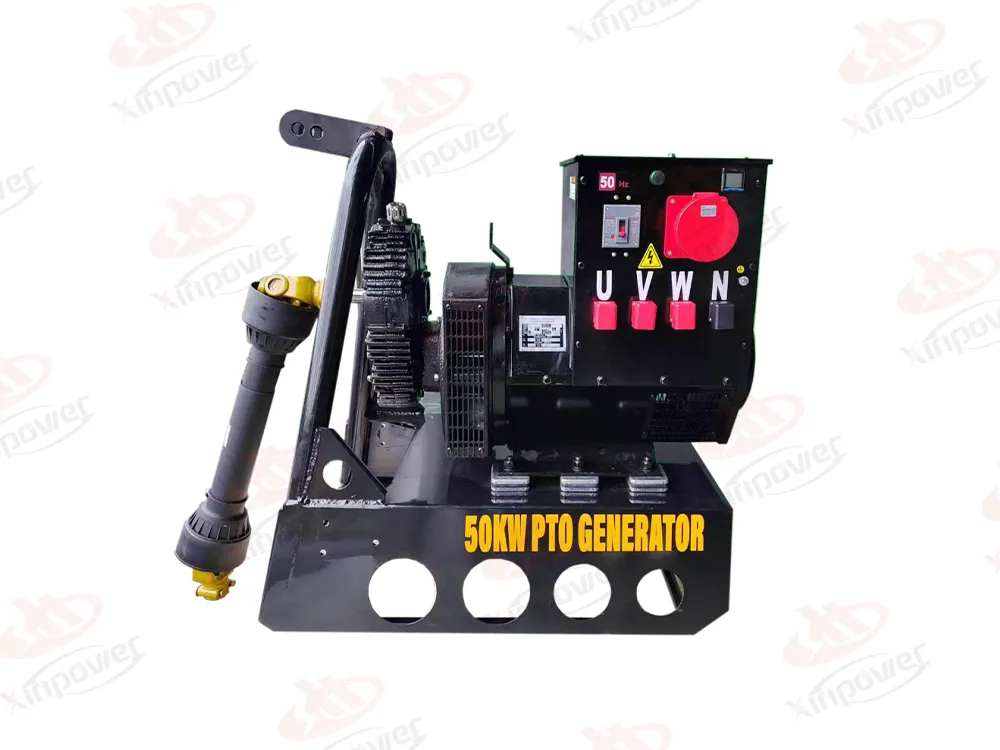
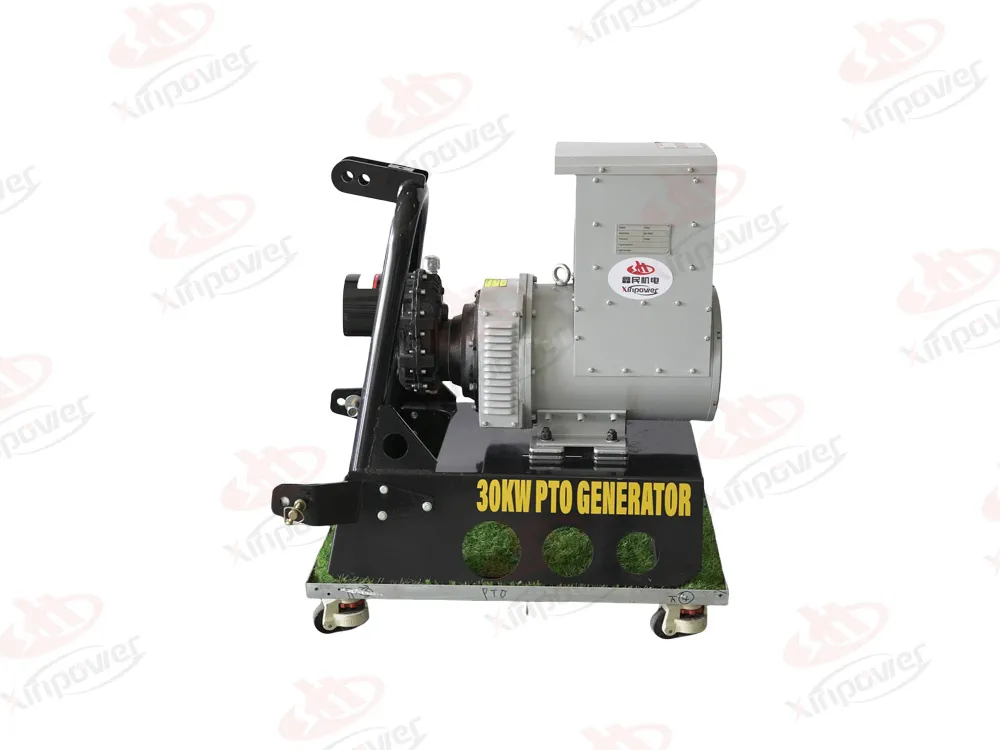
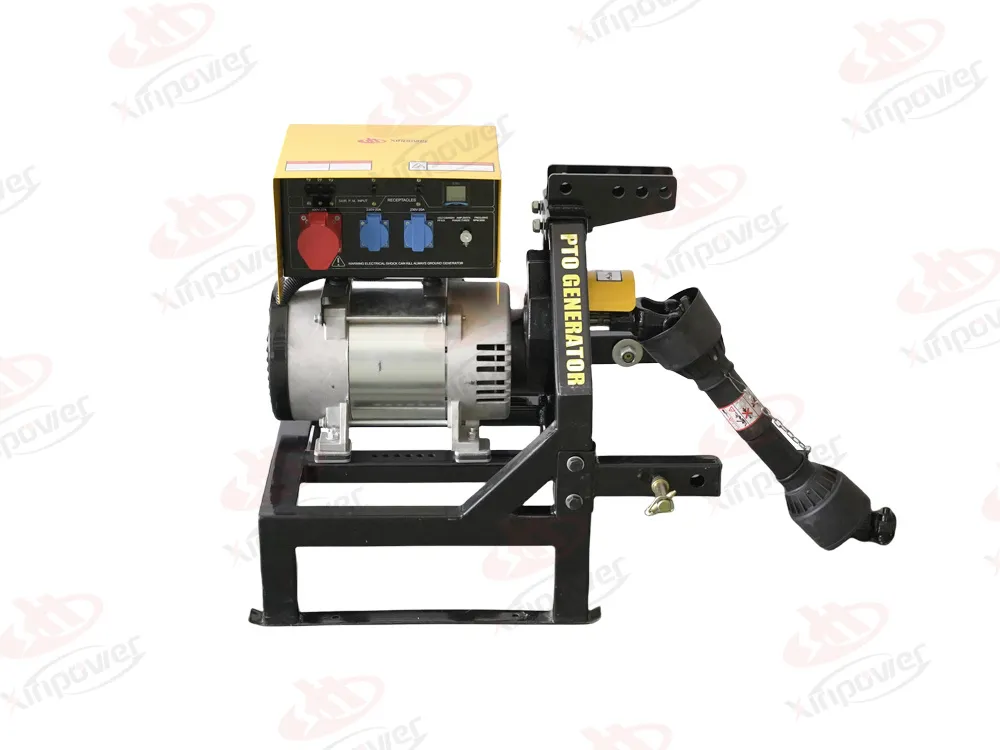
A PTO generator is a device that converts mechanical energy from a tractor's PTO shaft into electrical energy. These generators are commonly used in agricultural, industrial, and remote settings where access to the grid is limited. PTO generators are valued for their portability, versatility, and ability to provide power in off-grid locations.
Why Pair PTO Generators with Renewable Energy Sources?
1. **Enhanced Energy Efficiency**: By combining PTO generators with renewable energy sources, you can optimize energy production and reduce reliance on fossil fuels.
2. **Cost Savings**: Renewable energy sources like solar and wind can significantly reduce fuel costs associated with running a PTO generator.
3. **Environmental Benefits**: Integrating renewables minimizes greenhouse gas emissions and promotes sustainability.
4. **Energy Reliability**: A hybrid system ensures a more stable power supply, as renewable sources can complement the PTO generator during peak demand or fuel shortages.
Steps to Pair a PTO Generator Set with Renewable Energy Sources
1. Assess Your Energy Needs
Before integrating a PTO generator with renewable energy sources, evaluate your energy requirements. Consider factors such as:
- Total power consumption
- Peak load demands
- Duration of power usage
- Availability of renewable resources (e.g., sunlight, wind, or biomass)
2. Choose the Right Renewable Energy Source
Select a renewable energy source that aligns with your location and energy needs:
- **Solar Power**: Ideal for areas with abundant sunlight. Solar panels can be installed on rooftops or open land.
- **Wind Power**: Suitable for regions with consistent wind speeds. Small wind turbines can be installed to generate electricity.
- **Biomass**: If you have access to organic waste, a biomass system can produce energy through combustion or biogas production.
3. Design a Hybrid System
A hybrid system combines the PTO generator with renewable energy sources to ensure a continuous power supply. Key components include:
- **Charge Controller**: Regulates the flow of electricity from renewable sources to batteries.
- **Battery Bank**: Stores excess energy generated by renewables for use during periods of low production.
- **Inverter**: Converts DC power from batteries or solar panels into AC power for appliances.
- **Automatic Transfer Switch (ATS)**: Switches between the PTO generator and renewable sources based on availability and demand.
4. Install and Connect Components
Proper installation is critical for the system's efficiency and safety:
- Mount solar panels or wind turbines in optimal locations.
- Connect the PTO generator to the hybrid system using appropriate wiring and connectors.
- Ensure all components are grounded and protected from environmental factors.
5. Monitor and Maintain the System
Regular maintenance ensures the longevity and performance of your hybrid energy system:
- Inspect solar panels or wind turbines for damage or debris.
- Check battery health and replace them as needed.
- Test the PTO generator periodically to ensure it operates efficiently.
Benefits of a Hybrid PTO-Renewable Energy System
1. **Flexibility**: The system can adapt to varying energy demands and environmental conditions.
2. **Resilience**: During extended periods of low renewable energy production, the PTO generator can provide backup power.
3. **Scalability**: The system can be expanded by adding more renewable energy sources or larger PTO generators as needed.
4. **Sustainability**: Reduced reliance on fossil fuels contributes to a greener energy footprint.
Challenges and Considerations
1. **Initial Investment**: The upfront cost of renewable energy components and installation can be high.
2. **Space Requirements**: Solar panels and wind turbines require adequate space for installation.
3. **Technical Expertise**: Designing and maintaining a hybrid system may require specialized knowledge.
4. **Regulatory Compliance**: Ensure your system meets local regulations and safety standards.
Real-World Applications
1. **Agriculture**: Farmers can use PTO generators paired with solar panels to power irrigation systems, barns, and machinery.
2. **Remote Locations**: Off-grid communities can benefit from hybrid systems to ensure reliable electricity.
3. **Disaster Relief**: Portable PTO generators combined with solar panels can provide emergency power in disaster-stricken areas.
Conclusion
Pairing a PTO generator set with renewable energy sources offers a practical and sustainable solution for meeting energy needs in various settings. By carefully assessing your requirements, selecting the right renewable energy source, and designing a robust hybrid system, you can achieve energy efficiency, cost savings, and environmental benefits. While challenges exist, the long-term advantages of a hybrid PTO-renewable energy system make it a worthwhile investment for a greener and more resilient future.
This website uses cookies to ensure you get the best experience on our website.





 Phone
Phone