Whatsapp: +8615995188408 Email: aaron@xmdieselpower.com
 Français
 Deutsch




**Comparing Electric and PTO Generator Sets for Farm Use**
When it comes to powering farm operations, having a reliable source of electricity is essential. Whether it’s for running equipment, providing lighting, or ensuring the smooth operation of irrigation systems, farmers often rely on generator sets to meet their energy needs. Two of the most common types of generators used in agricultural settings are electric generators and power take-off (PTO) generators. Each has its own set of advantages and disadvantages, and the choice between the two depends on factors such as cost, convenience, and specific farm requirements. This article provides a detailed comparison of electric and PTO Generator sets for farm use.
1. **Introduction to Electric and PTO Generators**
**Electric Generators:**
Electric generators are standalone machines that convert mechanical energy into electrical energy. They are typically powered by internal combustion engines, which can run on diesel, gasoline, or propane. These generators are self-contained units that produce electricity independently of other equipment. They are commonly used in situations where a portable or stationary power source is needed, such as during power outages or in remote locations.
**PTO Generators:**
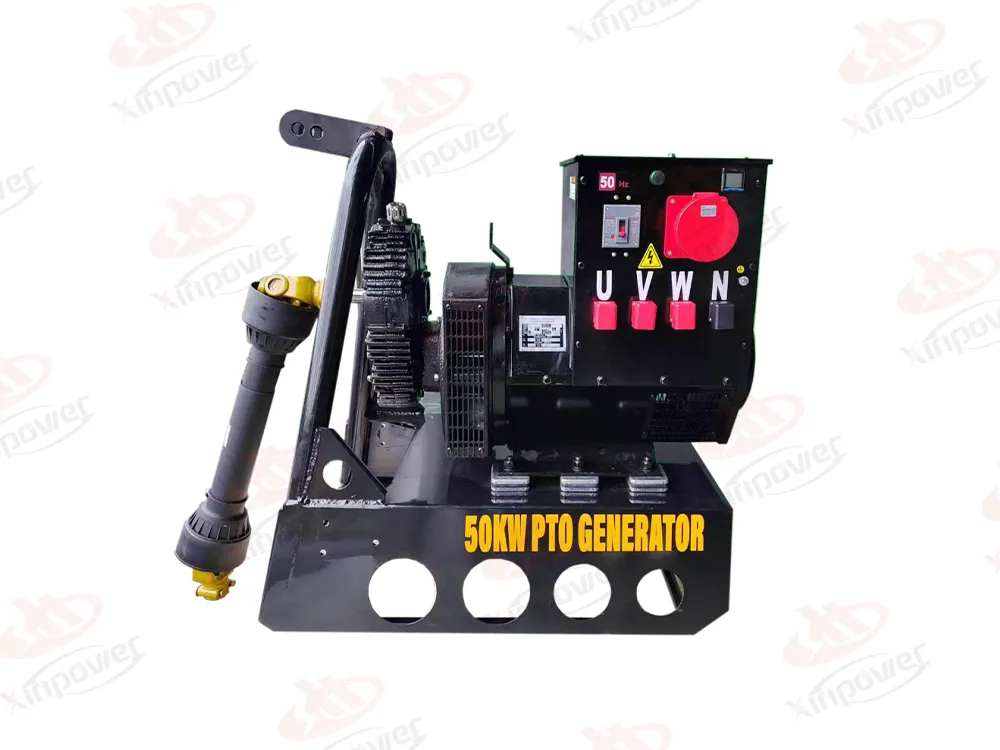
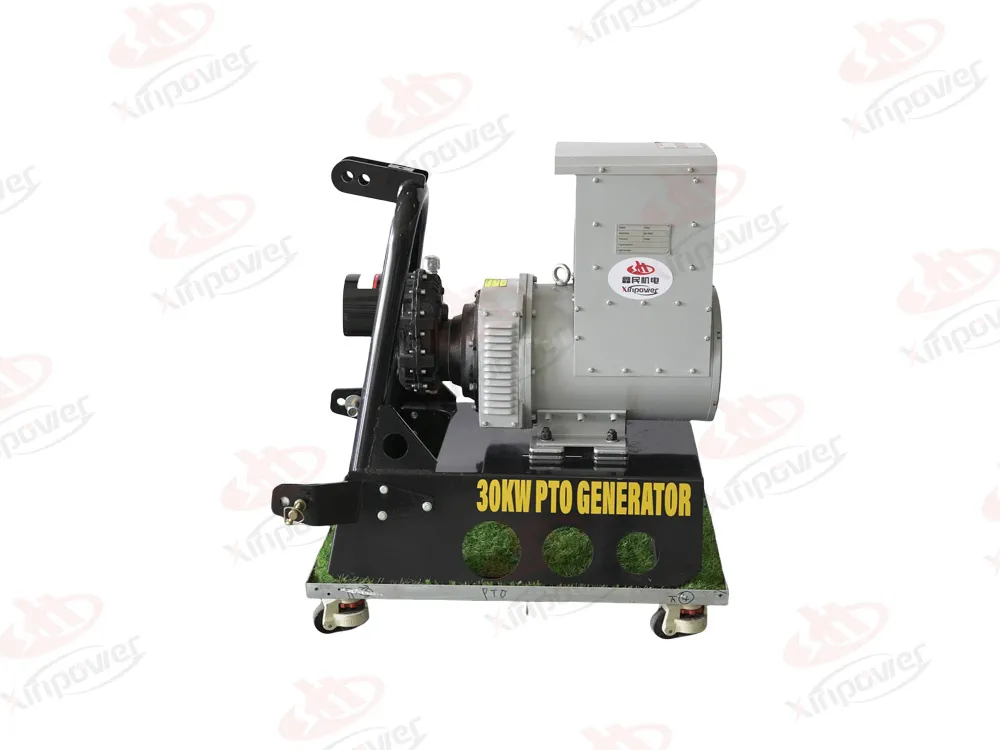
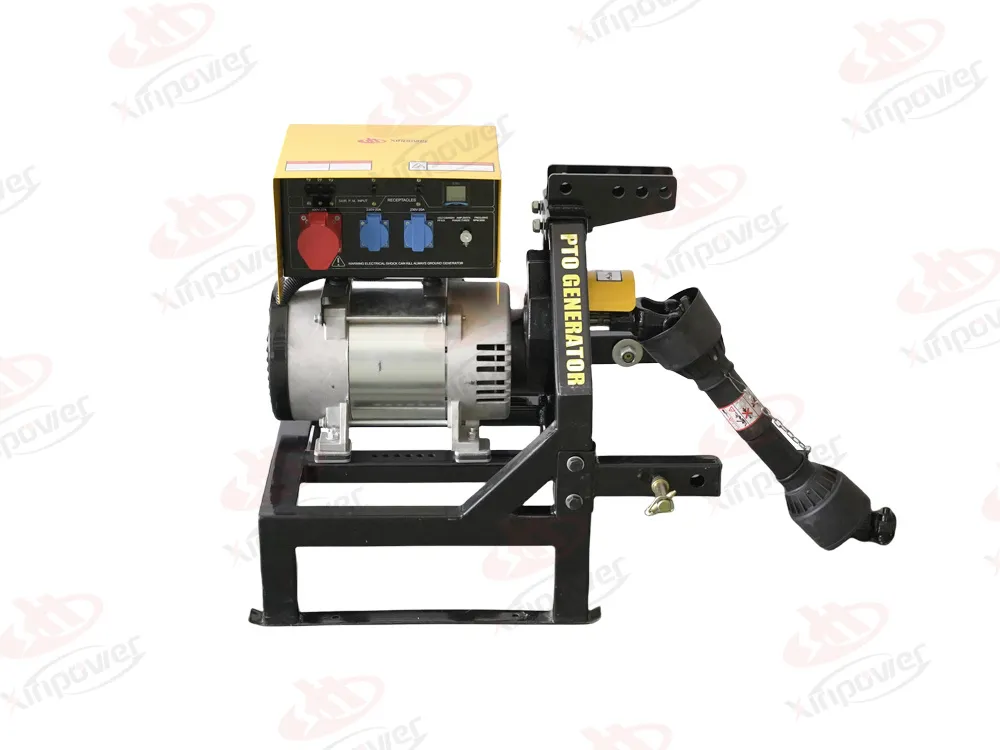
PTO generators, on the other hand, are driven by the power take-off shaft of a tractor or other agricultural machinery. Instead of having their own internal engine, PTO generators rely on the tractor’s engine to produce electricity. This makes them a cost-effective option for farmers who already own a tractor, as they can leverage existing equipment to generate power.
2. **Cost Comparison**
**Initial Cost:**
Electric generators generally have a higher upfront cost compared to PTO generators. This is because electric generators come with their own engines and other components, which increase the overall price. PTO generators, in contrast, do not require an internal engine, making them more affordable to purchase initially. However, it’s important to note that PTO generators require a tractor or similar machinery to operate, so the cost of the tractor must be considered if the farmer does not already own one.
**Operational Cost:**
When it comes to operational costs, electric generators tend to be more expensive. They consume fuel independently, and depending on the type of fuel used (diesel, gasoline, or propane), the ongoing costs can add up, especially during prolonged use. PTO generators, on the other hand, rely on the tractor’s engine for power, so the fuel consumption is tied to the tractor’s operation. If the tractor is already being used for other tasks, the additional fuel cost for running the generator may be minimal.
**Maintenance Costs:**
Electric generators require regular maintenance, including oil changes, filter replacements, and engine tune-ups. Since they have their own engines, the maintenance costs can be significant, especially for high-capacity units. PTO generators have fewer moving parts and do not have their own engines, which means they typically require less maintenance. However, the tractor used to power the generator will still need regular maintenance, so the overall maintenance costs should be considered in this context.
3. **Convenience and Portability**
**Portability:**
Electric generators are generally more portable than PTO generators. They are designed to be moved around the farm as needed, and many models come with wheels or handles for easy transportation. This makes them ideal for use in different locations on the farm, such as in fields, barns, or workshops. PTO generators, on the other hand, are less portable because they need to be connected to a tractor. Moving the generator requires moving the tractor as well, which can be cumbersome, especially in large fields or areas with limited access.
**Ease of Use:**
Electric generators are relatively easy to operate. They can be started with the pull of a cord or the push of a button, and many models come with features like automatic start/stop and voltage regulation. PTO generators require the farmer to connect the generator to the tractor’s PTO shaft, which can be more time-consuming and requires some technical knowledge. Additionally, the tractor must be running at the correct RPM to ensure the generator operates efficiently, which can be more complex than simply turning on an electric generator.
4. **Power Output and Efficiency**
**Power Output:**
Both electric and PTO generators come in a range of sizes and power outputs, so farmers can choose a model that meets their specific needs. However, PTO generators are often capable of producing higher power outputs than electric generators, especially when connected to a large tractor. This makes PTO generators a better choice for heavy-duty applications, such as running large irrigation systems or powering multiple pieces of equipment simultaneously.
**Efficiency:**
PTO generators are generally more efficient than electric generators because they leverage the tractor’s engine, which is typically designed for high efficiency and long run times. Electric generators, especially those running on gasoline, may be less efficient, particularly at lower loads. However, the efficiency of a PTO generator depends on the tractor’s engine, so if the tractor is older or poorly maintained, the generator’s efficiency may suffer.
5. **Durability and Lifespan**
**Durability:**
Electric generators are built to withstand harsh conditions, and many models are designed for long-lasting performance. However, because they have their own engines, they may be more prone to wear and tear over time, especially if used frequently or in demanding environments. PTO generators, with fewer moving parts, tend to be more durable and can last for many years with proper care. The longevity of a PTO generator also depends on the tractor it’s connected to, so regular maintenance of the tractor is essential.
**Lifespan:**
The lifespan of an electric generator is often tied to the quality of its engine. High-quality models with well-maintained engines can last for many years, but cheaper models may have shorter lifespans. PTO generators, on the other hand, can have a longer lifespan because they do not have their own engines. However, the tractor’s engine will still need to be maintained, as its performance directly affects the generator’s lifespan.
6. **Environmental Impact**
**Fuel Efficiency and Emissions:**
PTO generators are generally more fuel-efficient than electric generators, especially when connected to a modern, fuel-efficient tractor. This can result in lower fuel consumption and reduced emissions, which is better for the environment. Electric generators, particularly those running on gasoline, tend to be less fuel-efficient and can produce more emissions, contributing to air pollution. However, electric generators that run on propane or diesel may have a smaller environmental footprint, depending on the model and its emissions standards.
**Noise Pollution:**
Electric generators, especially those with smaller engines, tend to be noisier than PTO generators. This can be a concern for farmers who are working near the generator or who have livestock that may be disturbed by loud noises. PTO generators are typically quieter, as the tractor’s engine is usually designed to operate smoothly and produce less noise. However, the noise level of a PTO generator depends on the tractor, so older or poorly maintained tractors may still be noisy.
7. **Conclusion**
Both electric and PTO Generator Sets have their own advantages and disadvantages, and the choice between the two depends on the specific needs and circumstances of the farm. Electric generators are more portable and easier to use, making them a good choice for farmers who need a flexible and convenient power source. However, they tend to be more expensive to operate and maintain. PTO generators, on the other hand, are more cost-effective, especially for farmers who already own a tractor, and they are capable of producing higher power outputs. However, they are less portable and require more setup and maintenance.
Ultimately, the decision should be based on factors such as the farm’s power requirements, budget, and existing equipment. By carefully considering these factors, farmers can choose the generator set that best meets their needs and ensures the smooth operation of their farm.
This website uses cookies to ensure you get the best experience on our website.





 Phone
Phone