Whatsapp: +8615995188408 Email: aaron@xmdieselpower.com
 Français
 Deutsch




**How to Calculate Power Requirements for a PTO Generator Set**
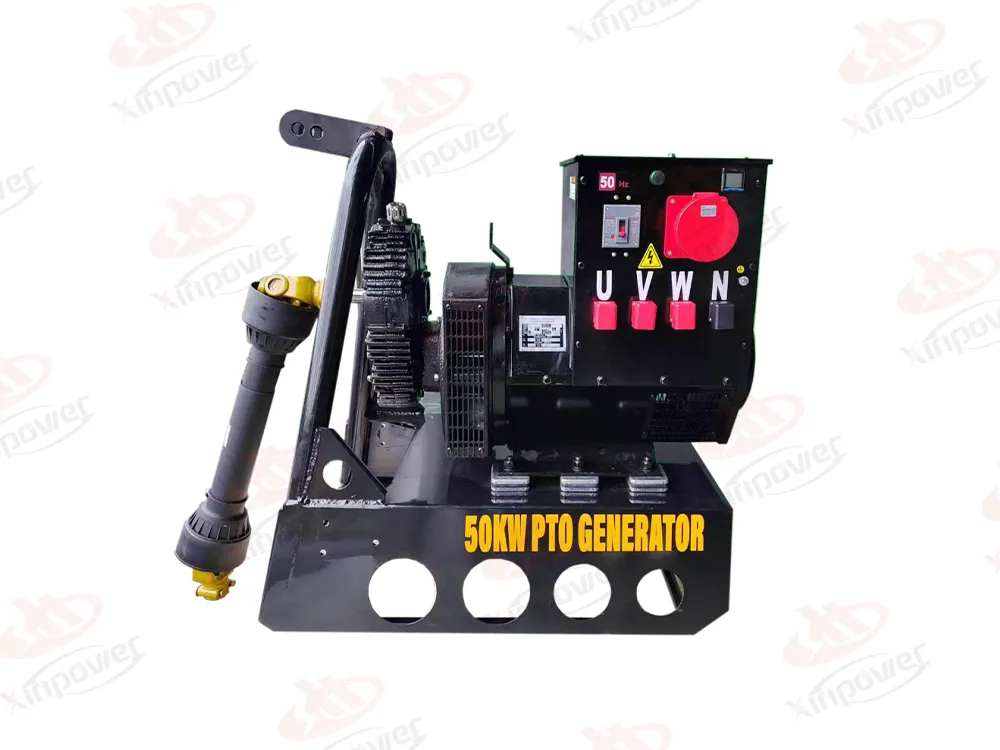
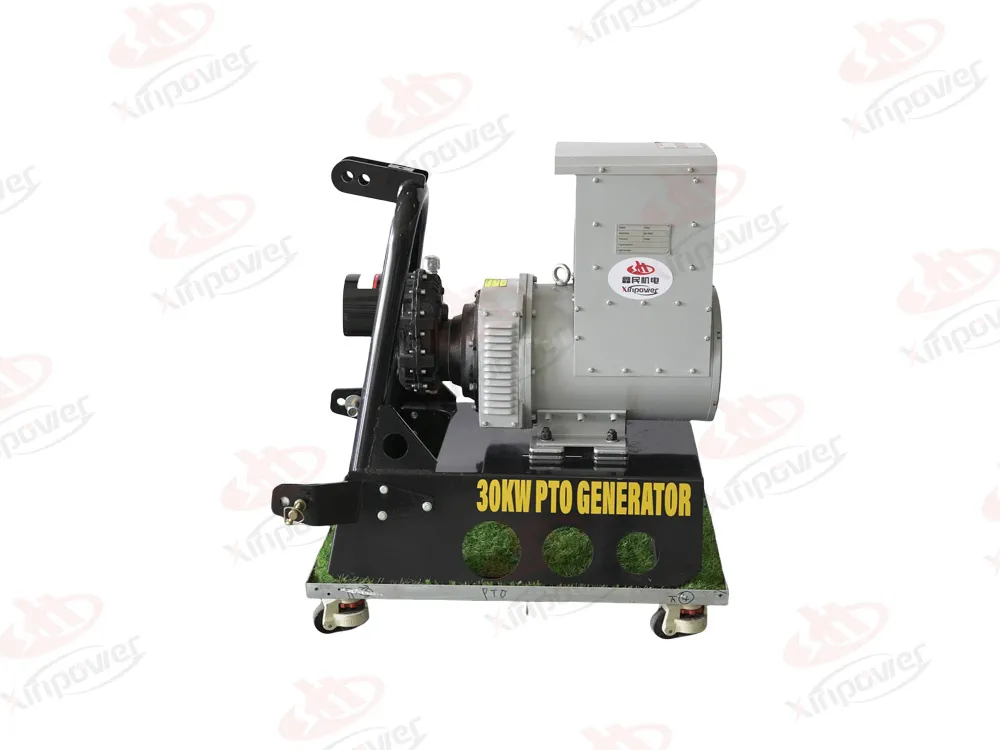
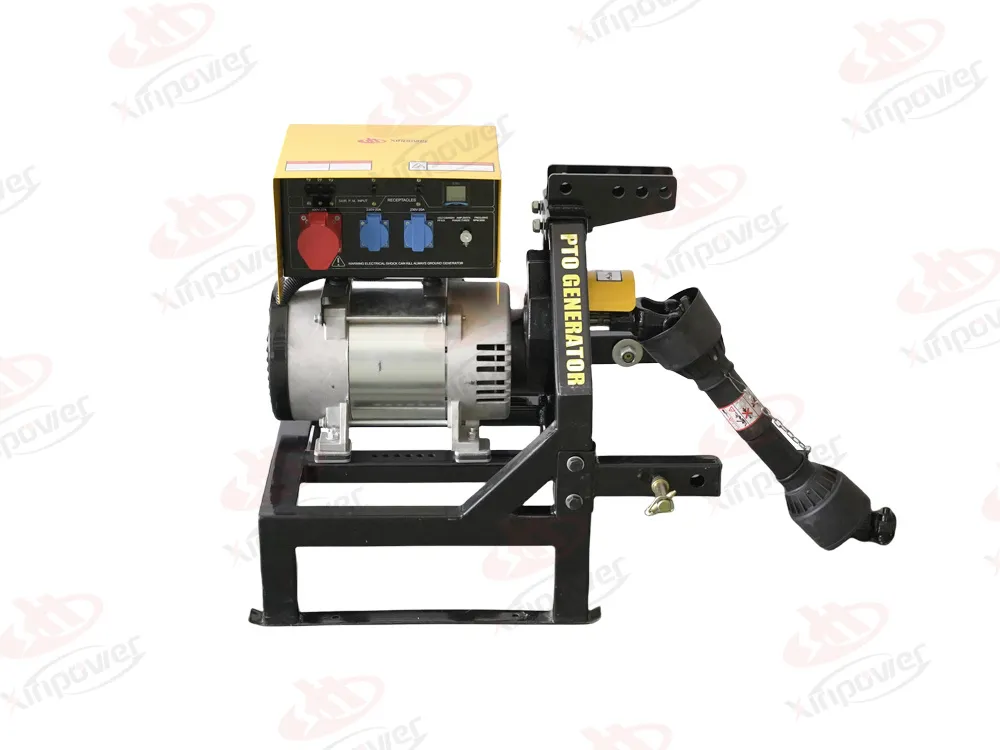
A Power Take-Off (PTO) generator set is a versatile and cost-effective solution for generating electricity in remote locations, on farms, or during emergencies. It utilizes the power from a tractor or other machinery to drive a generator, converting mechanical energy into electrical energy. However, to ensure efficient and safe operation, it is crucial to calculate the power requirements accurately. This guide will walk you through the steps to determine the appropriate power requirements for your PTO Generator set.
---
**1. Understand the Basics of PTO Generator Sets**
Before diving into calculations, it’s essential to understand how PTO generators work:
- **PTO Shaft:** The PTO shaft connects the tractor to the generator, transferring mechanical power.
- **Generator:** Converts the mechanical power from the tractor into electrical power.
- **Power Output:** The generator’s output is measured in kilowatts (kW) or kilovolt-amperes (kVA).
- **PTO Speed:** Most PTO generators operate at a standard speed of 540 RPM or 1000 RPM.
The key to calculating power requirements is matching the generator’s capacity to the electrical load it needs to support.
---
**2. Determine Your Electrical Load**
The first step is to identify the total electrical load the generator will power. This includes all appliances, tools, and equipment that will run simultaneously. Follow these steps:
**a. List All Devices**
Create a list of all electrical devices you plan to power with the generator. Include:
- Lights
- Motors (e.g., Water Pumps, compressors)
- Appliances (e.g., refrigerators, microwaves)
- Tools (e.g., saws, drills)
- Heating or cooling systems
**b. Determine Power Consumption**
For each device, find its power consumption, usually listed in watts (W) or kilowatts (kW) on the nameplate or user manual. If the power is given in amps (A) and volts (V), use the formula:
\[ \text{Power (W)} = \text{Voltage (V)} \times \text{Current (A)} \]
**c. Account for Starting Surge**
Some devices, particularly motors and compressors, require a higher surge of power when starting. This is often 2-3 times their running power. Ensure you account for this surge in your calculations.
**d. Calculate Total Load**
Add up the power consumption of all devices, including starting surges, to determine the total electrical load.
---
**3. Select the Right Generator Size**
Once you know the total electrical load, choose a generator with a capacity slightly higher than the calculated load. This ensures the generator can handle peak demands without overloading.
**a. Generator Capacity**
Generators are rated in kW or kVA. The relationship between the two is:
\[ \text{Power (kW)} = \text{Power (kVA)} \times \text{Power Factor} \]
Most residential and agricultural generators have a power factor of 0.8. For example, a 10 kVA generator at 0.8 power factor provides 8 kW of usable power.
**b. Safety Margin**
Add a safety margin of 10-20% to the total load to account for unforeseen power demands or future expansion.
---
**4. Match the PTO Generator to Your Tractor**
The tractor’s PTO must provide sufficient mechanical power to drive the generator. Follow these steps:
**a. Determine Tractor PTO Power**
Check the tractor’s specifications for PTO horsepower (HP) or kilowatts (kW). This is the mechanical power available at the PTO shaft.
**b. Convert PTO Power to Generator Capacity**
Use the following formula to convert PTO power to generator capacity:
\[ \text{Generator Capacity (kW)} = \text{PTO Power (HP)} \times 0.746 \times \text{Efficiency} \]
The efficiency factor accounts for losses in the generator and is typically around 0.85-0.9.
For example, a tractor with 50 HP PTO power can drive a generator with a capacity of:
\[ 50 \times 0.746 \times 0.85 = 31.7 \, \text{kW} \]
**c. Ensure Compatibility**
Verify that the generator’s input speed (540 RPM or 1000 RPM) matches the tractor’s PTO speed. Using an incompatible speed can damage the generator or tractor.
---
**5. Consider Environmental and Operational Factors**
Several external factors can influence the power requirements and generator performance:
**a. Altitude and Temperature**
Generators lose efficiency at higher altitudes and extreme temperatures. If operating in such conditions, derate the generator’s capacity by 3-5% for every 1,000 feet above sea level or every 10°C above 25°C.
**b. Duty Cycle**
If the generator will run continuously for extended periods, choose a model with a higher capacity to prevent overheating.
**c. Fuel Consumption**
While not directly related to power requirements, understanding fuel consumption helps in planning and budgeting. Check the generator’s fuel consumption rate at different loads.
---
**6. Example Calculation**
Let’s walk through an example to illustrate the process:
**Step 1: List Devices and Power Consumption**
- Refrigerator: 200 W (running), 600 W (starting surge)
- Water Pump: 750 W (running), 2,250 W (starting surge)
- Lights: 500 W
- Microwave: 1,200 W
**Step 2: Calculate Total Load**
\[ \text{Total Load} = 600 + 2,250 + 500 + 1,200 = 4,550 \, \text{W} \, (4.55 \, \text{kW}) \]
**Step 3: Add Safety Margin**
\[ \text{Total Load with Margin} = 4.55 \times 1.2 = 5.46 \, \text{kW} \]
**Step 4: Select Generator Size**
Choose a generator with a capacity of at least 5.5 kW.
**Step 5: Match to Tractor PTO**
If the generator has a capacity of 5.5 kW, the required PTO power is:
\[ \text{PTO Power (HP)} = \frac{5.5}{0.746 \times 0.85} = 8.7 \, \text{HP} \]
Ensure the tractor has at least 8.7 HP available at the PTO shaft.
---
**7. Final Tips**
- Always consult the generator and tractor manuals for specific requirements.
- Regularly maintain the generator and tractor to ensure optimal performance.
- If unsure, consult a professional to avoid under- or over-sizing the generator.
By following these steps, you can accurately calculate the power requirements for your PTO generator set and ensure reliable operation for your electrical needs.
This website uses cookies to ensure you get the best experience on our website.





 Phone
Phone