Whatsapp: +8615995188408 Email: aaron@xmdieselpower.com
 Français
 Deutsch




PTO Generator Set Voltage Regulation Explained
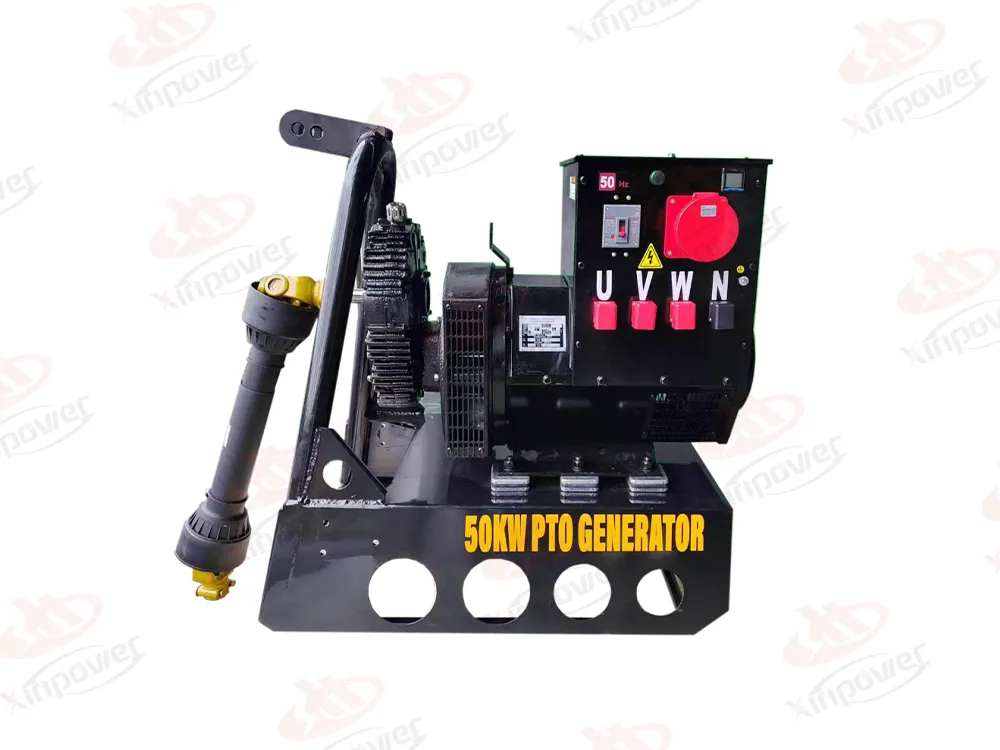
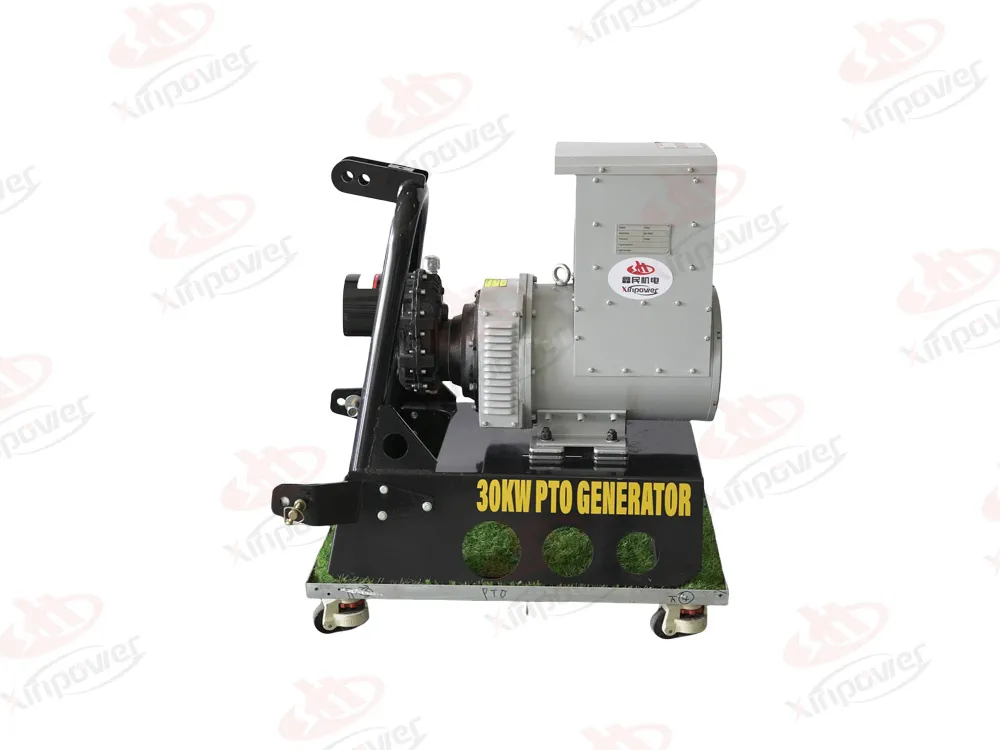
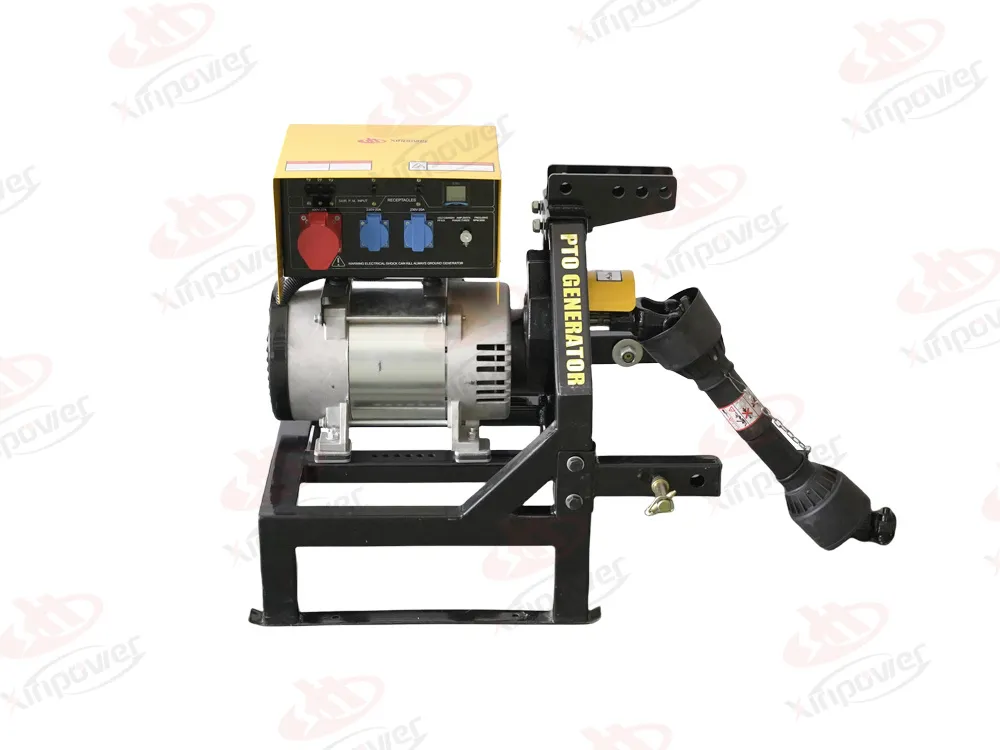
Power Take-Off (PTO) generator sets are widely used in various industries, including agriculture, construction, and emergency power supply, due to their ability to convert mechanical energy from a tractor or other machinery into electrical energy. One of the critical aspects of ensuring the reliable operation of a PTO Generator set is proper voltage regulation. Voltage regulation refers to the ability of the generator to maintain a consistent output voltage despite variations in load, engine speed, or other external factors. This article will explain the principles of voltage regulation in PTO Generator Sets, the components involved, and the importance of maintaining stable voltage for optimal performance.
---
**What is Voltage Regulation?**
Voltage regulation is the process of maintaining the generator's output voltage within a specified range, typically ±5% of the rated voltage, regardless of changes in load or input conditions. In PTO generator sets, voltage regulation is crucial because the generator is directly driven by the engine or tractor's PTO shaft, which may experience fluctuations in speed or torque. Without proper regulation, the generator's output voltage could vary significantly, leading to equipment damage, inefficient operation, or even complete system failure.
---
**Key Components Involved in Voltage Regulation**
1. **Alternator (Generator Head)**
The alternator is the core component of the PTO generator set, responsible for converting mechanical energy into electrical energy. It consists of a rotor (rotating part) and a stator (stationary part). The rotor generates a magnetic field, and as it rotates, it induces an alternating current (AC) in the stator windings. The alternator's design and construction play a significant role in determining its voltage regulation capabilities.
2. **Voltage Regulator**
The voltage regulator is an electronic or electromechanical device that monitors the generator's output voltage and adjusts the excitation current supplied to the rotor to maintain a stable voltage. Modern PTO generator sets often use solid-state voltage regulators, which are more precise and reliable than older mechanical regulators.
3. **Excitation System**
The excitation system provides the necessary DC current to the rotor to create the magnetic field. The voltage regulator controls the excitation current based on the generator's load and output voltage. In some PTO generator sets, the excitation system may include a brushless design for improved reliability and reduced maintenance.
4. **Governor (Engine Speed Control)**
Since the PTO generator set is driven by an engine or tractor, maintaining a consistent engine speed is essential for stable voltage output. The governor controls the engine's throttle to ensure that the PTO shaft operates at the required speed, typically 540 RPM or 1000 RPM, depending on the generator's design.
---
**How Voltage Regulation Works in PTO Generator Sets**
1. **Monitoring Output Voltage**
The voltage regulator continuously monitors the generator's output voltage. If the voltage deviates from the desired level (e.g., 120V or 240V for single-phase systems, or 208V, 240V, or 480V for three-phase systems), the regulator takes corrective action.
2. **Adjusting Excitation Current**
To maintain stable voltage, the regulator adjusts the excitation current supplied to the rotor. If the output voltage is too low, the regulator increases the excitation current, strengthening the magnetic field and raising the voltage. Conversely, if the voltage is too high, the regulator reduces the excitation current, weakening the magnetic field and lowering the voltage.
3. **Compensating for Load Changes**
When the load on the generator changes (e.g., when additional equipment is turned on or off), the output voltage may fluctuate. The voltage regulator detects these changes and adjusts the excitation current accordingly to maintain a consistent voltage.
4. **Maintaining Engine Speed**
The governor ensures that the engine or tractor operates at the correct speed to drive the PTO shaft. If the engine speed varies, it can directly affect the generator's output frequency (Hz) and voltage. The governor works in tandem with the voltage regulator to ensure stable operation.
---
**Importance of Voltage Regulation in PTO Generator Sets**
1. **Protecting Connected Equipment**
Many electrical devices and appliances are sensitive to voltage fluctuations. Overvoltage can damage equipment, while undervoltage can cause it to operate inefficiently or fail to start. Proper voltage regulation ensures that connected equipment receives a stable and reliable power supply.
2. **Ensuring Efficient Operation**
Stable voltage output improves the efficiency of the generator and reduces energy losses. It also minimizes wear and tear on the generator's components, extending its lifespan.
3. **Compliance with Standards**
Most electrical systems and devices are designed to operate within specific voltage ranges. Proper voltage regulation ensures that the generator complies with industry standards and provides safe and reliable power.
4. **Preventing System Failures**
Voltage fluctuations can lead to overheating, short circuits, or other electrical faults. By maintaining stable voltage, the generator set reduces the risk of system failures and downtime.
---
**Challenges in Voltage Regulation for PTO Generator Sets**
1. **Variable Engine Speed**
Since PTO generator sets are driven by engines or tractors, fluctuations in engine speed can affect the generator's output voltage. Ensuring consistent engine speed through proper governor control is essential for stable voltage regulation.
2. **Load Variations**
Sudden changes in load, such as starting large motors or turning on high-power equipment, can cause voltage dips or spikes. The voltage regulator must respond quickly to these changes to maintain stable output.
3. **Environmental Factors**
Temperature, humidity, and altitude can affect the performance of the generator and its voltage regulation system. Proper maintenance and adjustments are necessary to account for these factors.
---
**Conclusion**
Voltage regulation is a critical aspect of PTO generator set operation, ensuring that the generator provides a stable and reliable power supply under varying load and input conditions. By understanding the principles of voltage regulation and the components involved, operators can optimize the performance of their PTO generator sets, protect connected equipment, and extend the system's lifespan. Regular maintenance, including checking the voltage regulator, excitation system, and governor, is essential to ensure consistent and efficient operation. With proper voltage regulation, PTO generator sets can continue to serve as a dependable source of power in a wide range of applications.
This website uses cookies to ensure you get the best experience on our website.





 Phone
Phone