Whatsapp: +8615995188408 Email: aaron@xmdieselpower.com
 Français
 Deutsch




**PTO Generator Set Load Management Strategies**
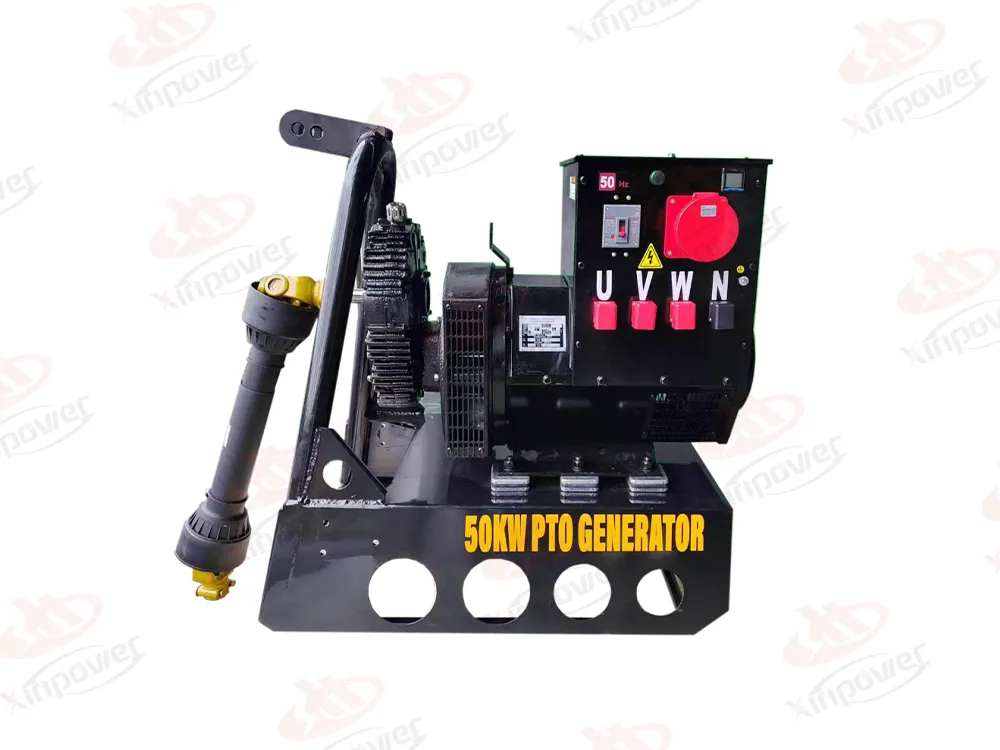
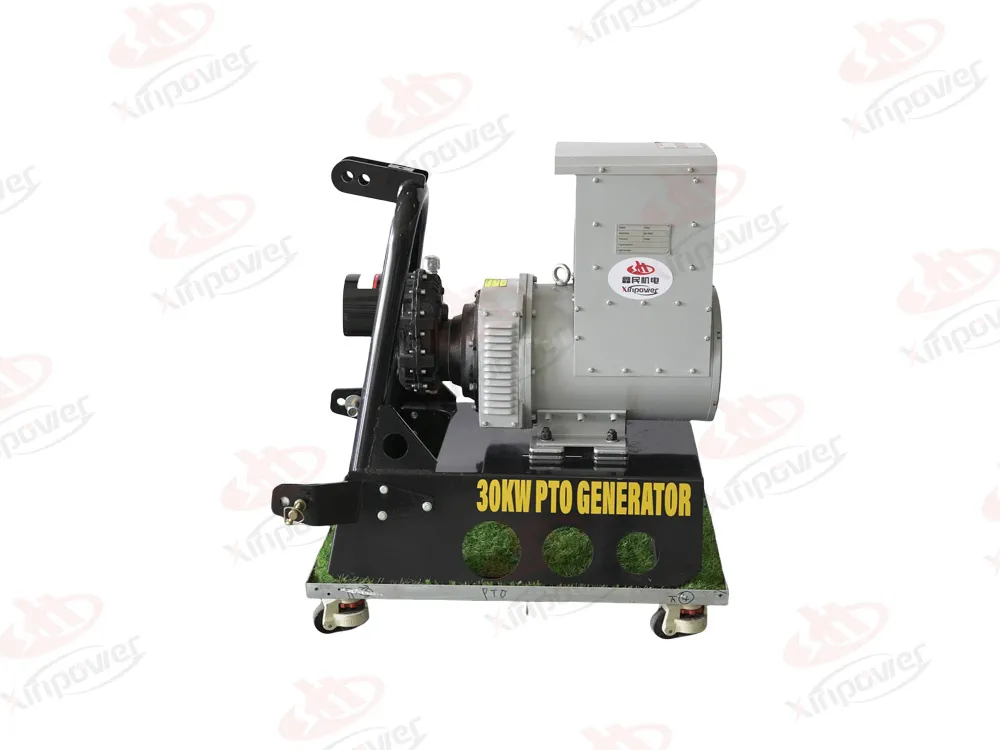
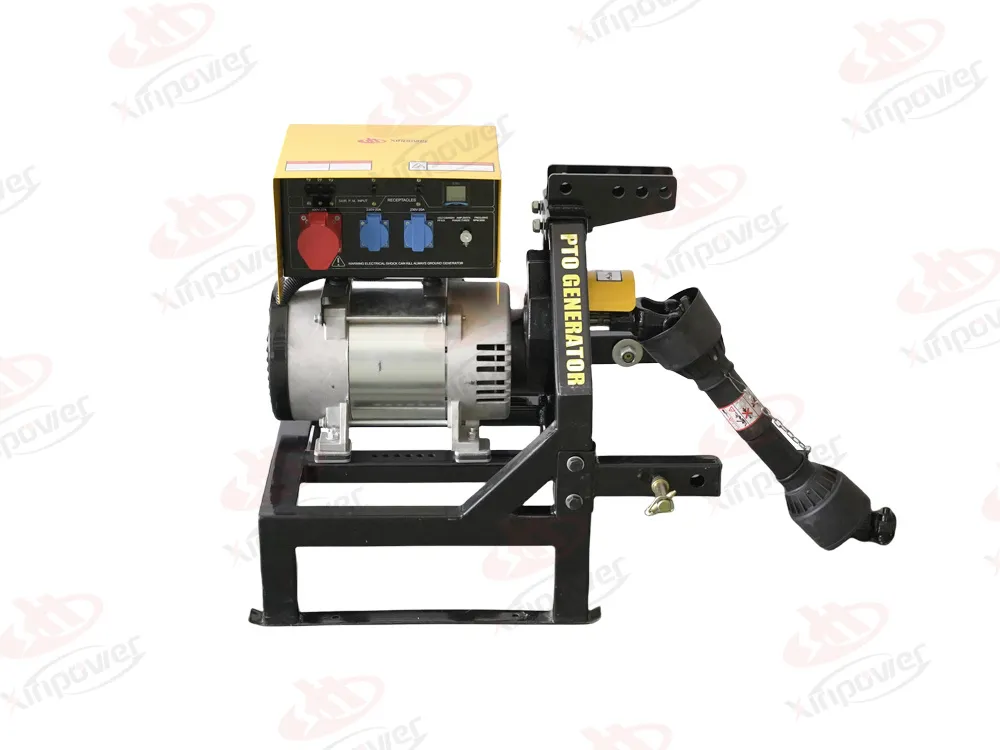
Power Take-Off (PTO) generator sets are versatile and efficient systems that convert mechanical energy from a vehicle’s engine into electrical power. These systems are widely used in various applications, including construction sites, emergency backup power, mobile workshops, and agricultural operations. However, managing the load on a PTO Generator set is critical to ensure optimal performance, fuel efficiency, and longevity of the equipment. This article explores effective load management strategies for PTO Generator Sets, focusing on balancing power demand, optimizing engine performance, and preventing system overloads.
---
**1. Understanding PTO Generator Set Load Characteristics**
Before implementing load management strategies, it is essential to understand the load characteristics of the system. PTO generator sets are designed to operate within specific power ranges, typically measured in kilowatts (kW) or kilovolt-amperes (kVA). The load on the generator set depends on the connected electrical devices and their power requirements.
Key factors to consider include:
- **Peak Load:** The maximum power demand during operation.
- **Continuous Load:** The average power demand over time.
- **Power Factor:** The ratio of real power (kW) to apparent power (kVA), which affects generator efficiency.
- **Load Variability:** Fluctuations in power demand due to the starting and stopping of equipment.
Understanding these factors helps in designing a load management strategy that ensures the generator set operates within its optimal range.
---
**2. Load Balancing and Prioritization**
Load balancing is a fundamental strategy for managing the power demand on a PTO generator set. It involves distributing the electrical load evenly across the generator’s capacity to prevent overloading and ensure stable operation.
**Key Steps for Load Balancing:**
- **Identify Critical Loads:** Determine which devices or systems are essential and prioritize their power supply. For example, in an emergency backup scenario, lighting and communication systems may be prioritized over non-essential equipment.
- **Stagger Equipment Start-Up:** Avoid starting multiple high-power devices simultaneously, as this can cause a sudden surge in load. Instead, sequence the start-up of equipment to minimize peak demand.
- **Use Load Shedding:** Implement a load-shedding system that automatically disconnects non-critical loads when the generator approaches its maximum capacity. This prevents overloads and ensures continuous power supply to essential systems.
---
**3. Optimizing Engine Performance**
The engine driving the PTO generator set plays a crucial role in load management. Operating the engine at its optimal speed and load ensures fuel efficiency and reduces wear and tear.
**Strategies for Engine Optimization:**
- **Match Engine Speed to Load:** PTO generator sets typically operate at a fixed speed (e.g., 540 RPM or 1000 RPM). Ensure the engine speed is maintained within the recommended range to match the generator’s power output.
- **Avoid Underloading:** Running the engine at very low loads can lead to incomplete combustion, increased fuel consumption, and engine fouling. Aim to operate the generator set at 50-80% of its rated capacity for optimal efficiency.
- **Monitor Engine Parameters:** Use gauges or monitoring systems to track engine performance indicators such as RPM, fuel consumption, and temperature. This helps in identifying and addressing issues before they escalate.
---
**4. Preventing System Overloads**
Overloading a PTO generator set can lead to equipment failure, reduced lifespan, and safety hazards. Implementing measures to prevent overloads is essential for reliable operation.
**Overload Prevention Strategies:**
- **Size the Generator Appropriately:** Ensure the generator set has sufficient capacity to handle the maximum expected load, including any starting surges. A common rule of thumb is to select a generator with a capacity 20-30% higher than the peak load.
- **Use Soft Start Devices:** For equipment with high starting currents (e.g., motors), install soft start devices or variable frequency drives (VFDs) to reduce the initial power surge.
- **Install Overload Protection:** Equip the generator set with circuit breakers, fuses, or other protective devices that automatically disconnect the load in case of an overload.
---
**5. Monitoring and Control Systems**
Advanced monitoring and control systems enhance load management by providing real-time data and automated responses to changing conditions.
**Features of Effective Monitoring Systems:**
- **Real-Time Load Monitoring:** Display the current load on the generator set, allowing operators to adjust the connected devices as needed.
- **Alarm and Shutdown Functions:** Notify operators of potential issues (e.g., high load, low oil pressure) and automatically shut down the system to prevent damage.
- **Remote Control Capabilities:** Enable operators to monitor and control the generator set from a distance, improving convenience and safety.
---
**6. Maintenance and Regular Inspections**
Regular maintenance and inspections are essential for ensuring the reliability and efficiency of a PTO generator set. Proper maintenance helps identify and address issues that could affect load management.
**Maintenance Best Practices:**
- **Inspect Electrical Connections:** Check for loose or corroded connections that could increase resistance and reduce efficiency.
- **Test Protective Devices:** Verify that circuit breakers, fuses, and other protective devices are functioning correctly.
- **Clean and Service the Engine:** Perform routine engine maintenance, including oil changes, filter replacements, and spark plug inspections.
- **Check Generator Components:** Inspect the generator’s windings, brushes, and other components for signs of wear or damage.
---
**7. Training and Operator Awareness**
Effective load management also depends on the knowledge and skills of the operators. Providing training and raising awareness about best practices can significantly improve system performance.
**Training Topics:**
- **Understanding Load Characteristics:** Educate operators about the importance of load balancing and the impact of overloading.
- **Emergency Procedures:** Train operators on how to respond to overloads, engine failures, and other emergencies.
- **Maintenance Basics:** Teach operators how to perform routine maintenance and identify potential issues.
---
**Conclusion**
Managing the load on a PTO generator set is essential for ensuring efficient, reliable, and safe operation. By implementing strategies such as load balancing, engine optimization, overload prevention, and advanced monitoring, operators can maximize the performance and lifespan of their equipment. Regular maintenance and operator training further enhance the effectiveness of these strategies. With proper load management, PTO generator sets can provide a dependable power source for a wide range of applications.
This website uses cookies to ensure you get the best experience on our website.





 Phone
Phone