Whatsapp: +8615995188408 Email: aaron@xmdieselpower.com
 Français
 Deutsch




**How to Use a PTO Generator Set for Backup Home Power**
A Power Take-Off (PTO) generator set is a reliable and cost-effective solution for providing backup power to your home during outages. Unlike traditional standalone generators, PTO Generators are driven by the power take-off shaft of a tractor or other compatible equipment, making them a versatile and efficient option for rural or agricultural properties. This guide will walk you through the steps to safely and effectively use a PTO Generator Set for backup home power.
---
**1. Understand the Basics of a PTO Generator Set**
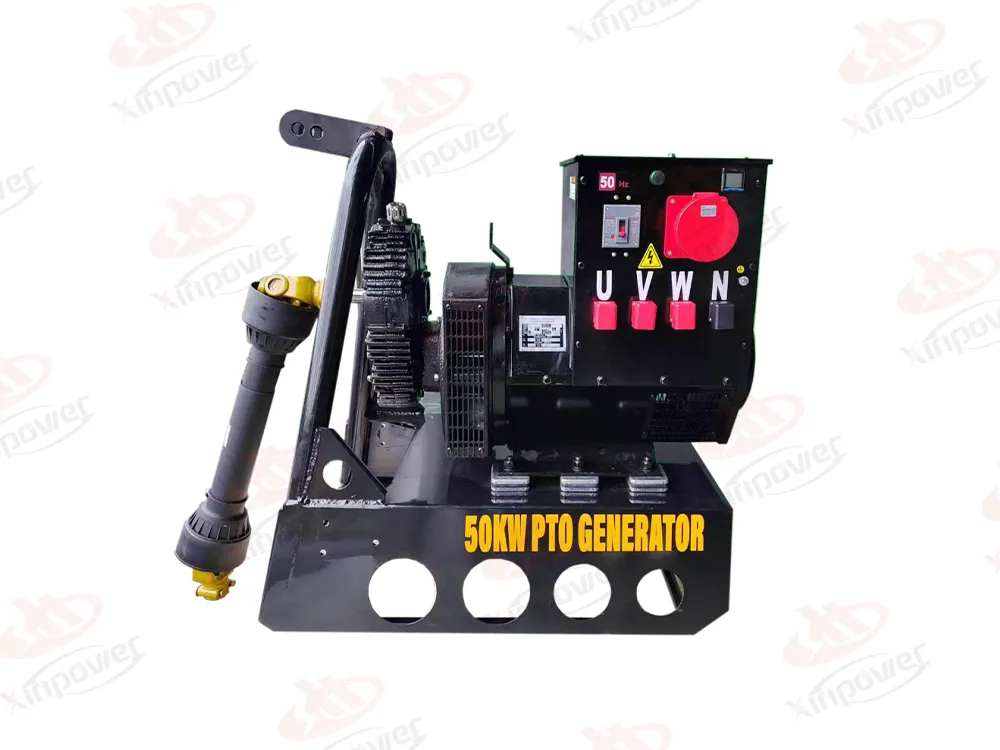
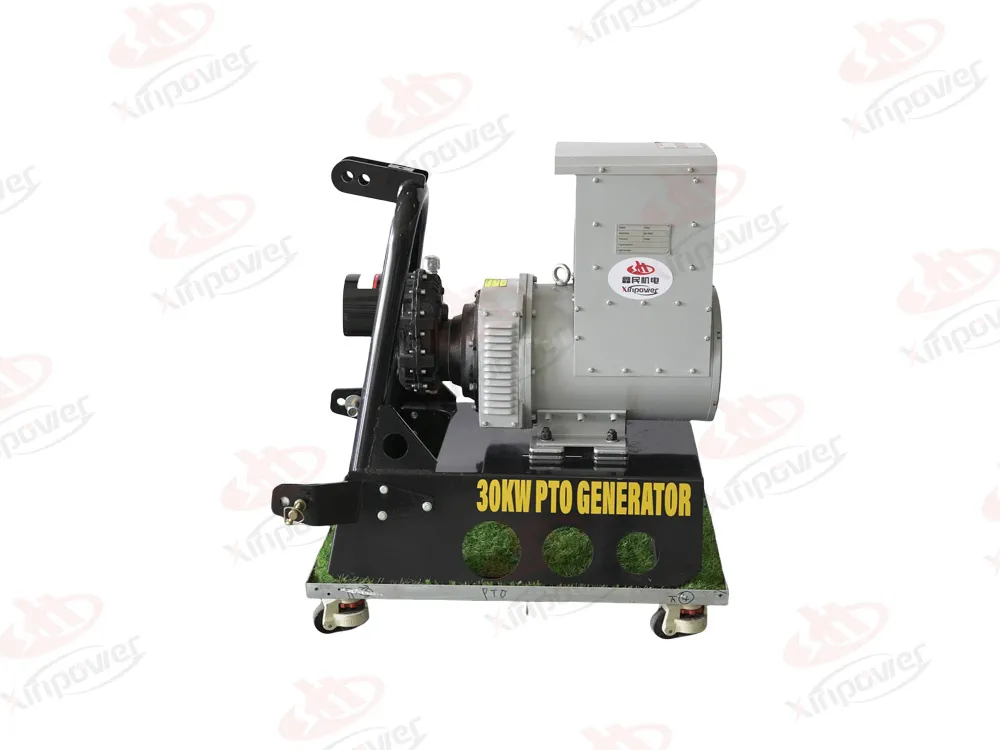
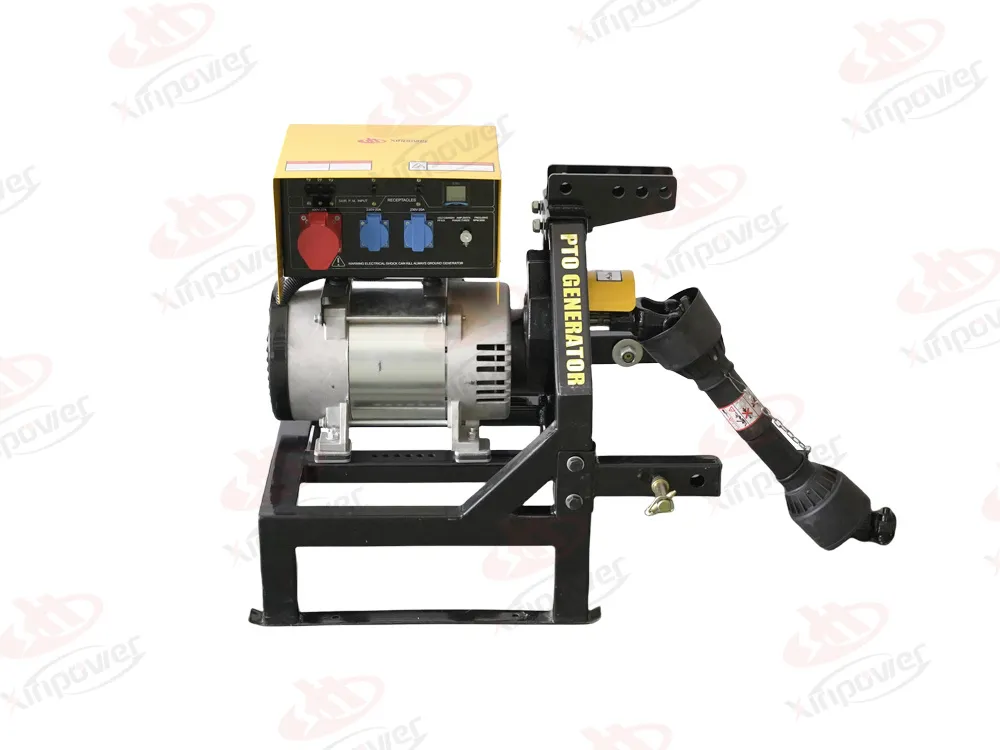
Before using a PTO generator, it’s essential to understand how it works. A PTO generator connects to the PTO shaft of a tractor or similar machinery, which drives the generator to produce electricity. The generator converts the mechanical energy from the tractor into electrical power, which can then be used to run household appliances, lights, and other essential equipment.
Key components of a PTO generator set include:
- **PTO Shaft:** Connects the tractor to the generator.
- **Generator Unit:** Converts mechanical energy into electrical power.
- **Control Panel:** Regulates voltage and frequency output.
- **Transfer Switch:** Safely connects the generator to your home’s electrical system.
---
**2. Choose the Right PTO Generator for Your Needs**
Selecting the appropriate PTO generator is crucial for ensuring it meets your home’s power requirements. Consider the following factors:
- **Power Output:** Determine the total wattage needed to power your home. Add up the wattage of essential appliances (e.g., refrigerator, lights, heating system) and choose a generator with a slightly higher capacity.
- **Tractor Compatibility:** Ensure your tractor’s PTO shaft is compatible with the generator’s input requirements (e.g., 540 RPM or 1000 RPM).
- **Phase Type:** Most homes use single-phase power, but some generators offer three-phase output for larger properties or specialized equipment.
---
**3. Prepare Your Tractor and Generator**
Before connecting the PTO generator, ensure both your tractor and generator are in good working condition:
- **Inspect the Tractor:** Check the tractor’s oil, fuel, and coolant levels. Ensure the PTO shaft is clean and free of debris.
- **Inspect the Generator:** Check the generator’s oil level, air filter, and electrical connections. Ensure the control panel is functioning correctly.
- **Position the Equipment:** Place the tractor and generator on a flat, stable surface. Ensure there is adequate ventilation to prevent overheating.
---
**4. Connect the PTO Generator to the Tractor**
Follow these steps to safely connect the PTO generator to your tractor:
1. **Align the PTO Shaft:** Position the tractor so the PTO shaft aligns with the generator’s input shaft.
2. **Attach the PTO Shaft:** Slide the PTO shaft onto the tractor’s PTO stub and secure it with the locking pin or collar.
3. **Secure the Generator:** Use the generator’s mounting brackets to secure it to the tractor or a stable base.
4. **Check for Proper Alignment:** Ensure the PTO shaft is straight and free of kinks or bends to prevent damage during operation.
---
**5. Connect the Generator to Your Home’s Electrical System**
To safely power your home, you’ll need to connect the generator to your electrical system using a transfer switch:
1. **Install a Transfer Switch:** A transfer switch isolates your home from the utility grid and connects it to the generator. Hire a licensed electrician to install the switch if you don’t already have one.
2. **Connect the Generator:** Plug the generator’s output cable into the transfer switch or a dedicated generator inlet.
3. **Test the Connection:** Turn on the generator and verify that power is being transferred to your home’s electrical system.
---
**6. Start the Generator and Monitor Operation**
Once everything is connected, follow these steps to start the generator:
1. **Start the Tractor:** Start the tractor and engage the PTO shaft at the recommended RPM (usually 540 RPM or 1000 RPM).
2. **Engage the Generator:** Gradually increase the tractor’s throttle to bring the generator up to its operating speed.
3. **Check the Output:** Use the generator’s control panel to monitor the voltage and frequency. Adjust the throttle as needed to maintain a stable output.
4. **Power On Your Home:** Use the transfer switch to connect your home to the generator. Start with essential appliances and gradually add more loads as needed.
---
**7. Maintain Safe Operation**
Safety is paramount when using a PTO generator set. Follow these guidelines to prevent accidents and ensure reliable operation:
- **Avoid Overloading:** Do not exceed the generator’s rated capacity. Overloading can damage the generator and connected appliances.
- **Monitor Fuel Levels:** Keep an eye on the tractor’s fuel level and refill as needed to avoid running out of power.
- **Ventilate the Area:** Operate the generator in a well-ventilated area to prevent carbon monoxide buildup.
- **Inspect Regularly:** Check the PTO shaft, generator, and connections periodically for signs of wear or damage.
---
**8. Shut Down the Generator Properly**
When the power outage ends or you no longer need backup power, follow these steps to shut down the generator safely:
1. **Disconnect Loads:** Use the transfer switch to disconnect your home from the generator.
2. **Reduce Throttle:** Gradually reduce the tractor’s throttle to lower the generator’s RPM.
3. **Disengage the PTO:** Turn off the PTO shaft and allow the generator to come to a complete stop.
4. **Disconnect the Generator:** Unplug the generator from the transfer switch or inlet.
5. **Turn Off the Tractor:** Shut off the tractor and allow it to cool down before storing it.
---
**9. Perform Regular Maintenance**
To ensure your PTO generator set remains in good working condition, perform regular maintenance:
- **Change the Oil:** Replace the generator’s oil according to the manufacturer’s recommendations.
- **Clean the Air Filter:** Inspect and clean the air filter regularly to ensure proper airflow.
- **Check Electrical Connections:** Tighten any loose connections and inspect the wiring for damage.
- **Lubricate the PTO Shaft:** Apply grease to the PTO shaft to prevent rust and wear.
---
**10. Store the Generator Properly**
When not in use, store the PTO generator in a clean, dry location. Cover it to protect it from dust and moisture, and disconnect the PTO shaft to prevent damage.
---
**Conclusion**
A PTO generator set is an excellent solution for providing backup power to your home, especially in rural or agricultural settings. By understanding how to properly connect, operate, and maintain the generator, you can ensure reliable power during outages and extend the lifespan of your equipment. Always prioritize safety and consult the manufacturer’s instructions for specific guidance on your PTO generator model. With proper care and usage, a PTO generator set can be a valuable asset for keeping your home powered in emergencies.
This website uses cookies to ensure you get the best experience on our website.





 Phone
Phone