Whatsapp: +8615995188408 Email: aaron@xmdieselpower.com
 Français
 Deutsch




**PTO Generator Set Training: Essential Skills for Operators**
Power Take-Off (PTO) generator sets are critical pieces of equipment used in various industries, including construction, agriculture, emergency response, and remote power generation. These systems convert mechanical energy from a vehicle or engine into electrical power, providing a reliable energy source in situations where grid power is unavailable or insufficient. Operating a PTO Generator set requires specialized knowledge and skills to ensure safety, efficiency, and longevity of the equipment. This article outlines the essential skills and training required for operators of PTO Generator Sets.
1. **Understanding PTO Generator Set Basics**
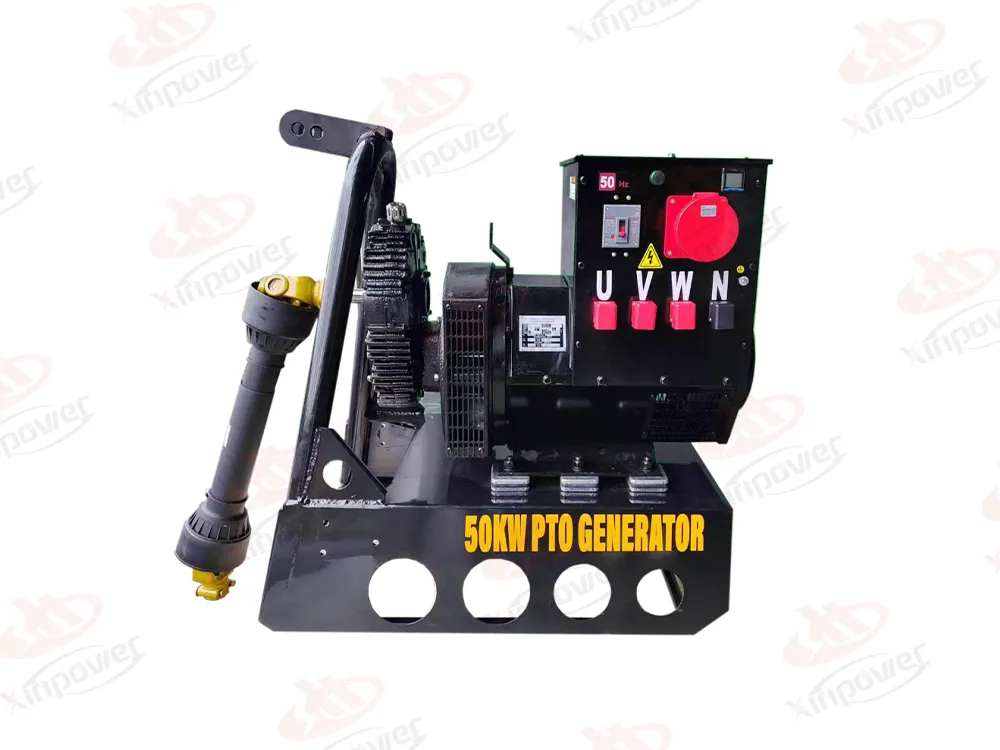
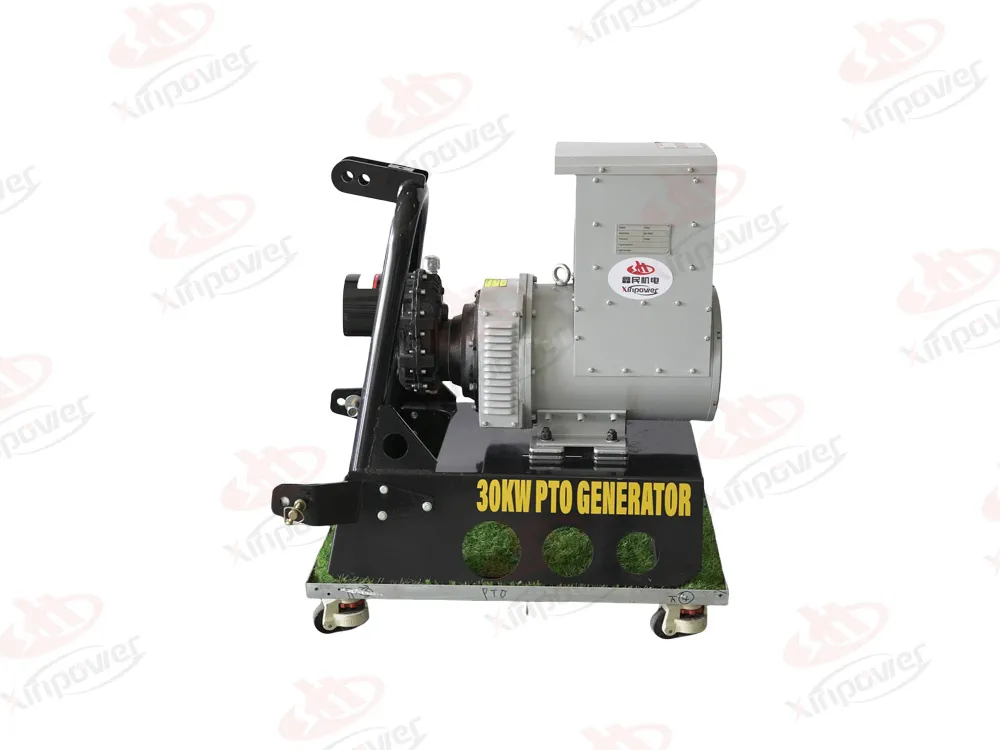
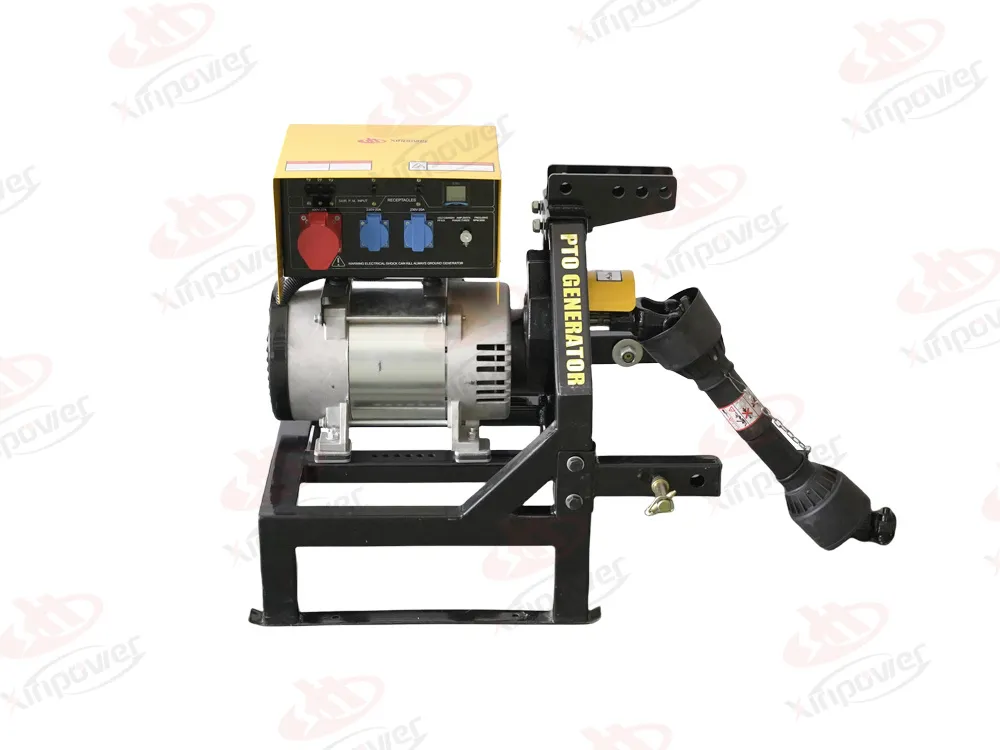
Before operating a PTO generator set, operators must have a solid understanding of its components and how they function. Key components include:
- **Power Take-Off Unit (PTO):** The mechanism that transfers mechanical energy from the vehicle or engine to the generator.
- **Generator:** Converts mechanical energy into electrical power.
- **Control Panel:** Manages power output, voltage, and frequency.
- **Cooling System:** Prevents overheating during operation.
- **Safety Features:** Includes circuit breakers, emergency shut-off switches, and grounding systems.
Operators should be familiar with the specific model they are using, including its power capacity, fuel requirements, and maintenance needs.
2. **Safety Protocols**
Safety is paramount when operating PTO generator sets. Operators must be trained in the following safety protocols:
- **Personal Protective Equipment (PPE):** Wear appropriate PPE, such as gloves, safety glasses, and hearing protection.
- **Grounding:** Ensure the generator is properly grounded to prevent electrical shocks.
- **Ventilation:** Operate the generator in a well-ventilated area to avoid carbon monoxide poisoning.
- **Load Management:** Avoid overloading the generator, which can cause overheating or equipment failure.
- **Emergency Shutdown:** Know how to quickly shut down the generator in case of an emergency.
Regular safety drills and adherence to manufacturer guidelines are essential to minimize risks.
3. **Pre-Operation Checks**
Before starting the PTO generator set, operators should perform a thorough inspection to ensure the equipment is in good working condition. Key checks include:
- **Fuel Levels:** Verify there is sufficient fuel for the intended operation.
- **Oil Levels:** Check and top up engine oil if necessary.
- **Coolant Levels:** Ensure the cooling system is functioning properly.
- **Belts and Hoses:** Inspect for wear, cracks, or leaks.
- **Electrical Connections:** Ensure all connections are secure and free of corrosion.
These pre-operation checks help prevent unexpected breakdowns and ensure safe operation.
4. **Starting and Stopping Procedures**
Proper starting and stopping procedures are critical to the longevity of the PTO generator set. Operators should follow these steps:
- **Starting:**
1. Ensure all loads are disconnected.
2. Engage the PTO mechanism according to the manufacturer’s instructions.
3. Start the engine and allow it to warm up.
4. Gradually connect loads to avoid sudden surges.
- **Stopping:**
1. Gradually disconnect all loads.
2. Allow the engine to run for a few minutes to cool down.
3. Disengage the PTO mechanism.
4. Turn off the engine and secure the generator.
5. **Load Management**
Effective load management is essential to prevent overloading and ensure optimal performance. Operators should:
- **Calculate Load Requirements:** Determine the total power requirements of connected devices.
- **Balance Loads:** Distribute loads evenly across phases (for three-phase generators).
- **Monitor Power Output:** Use the control panel to monitor voltage, frequency, and current.
- **Avoid Overloading:** Never exceed the generator’s rated capacity.
6. **Troubleshooting and Maintenance**
Operators should be trained in basic troubleshooting and maintenance to address common issues and keep the generator in good condition. Key skills include:
- **Identifying Common Problems:** Recognize symptoms of issues such as low power output, unusual noises, or overheating.
- **Performing Routine Maintenance:** Tasks include changing oil, replacing filters, and cleaning components.
- **Keeping Records:** Maintain a log of maintenance activities and any issues encountered.
Regular maintenance extends the lifespan of the generator and reduces the likelihood of costly repairs.
7. **Environmental Considerations**
Operators must be aware of the environmental impact of PTO generator sets and take steps to minimize it. This includes:
- **Fuel Efficiency:** Optimize operation to reduce fuel consumption.
- **Noise Reduction:** Use soundproofing measures to minimize noise pollution.
- **Emissions Control:** Ensure the generator complies with local emissions regulations.
8. **Emergency Preparedness**
In emergency situations, such as power outages or natural disasters, PTO generator sets can be lifesavers. Operators should be trained to:
- **Respond Quickly:** Set up and start the generator efficiently in emergency scenarios.
- **Prioritize Loads:** Provide power to critical systems first.
- **Ensure Reliability:** Perform regular testing and maintenance to ensure the generator is ready when needed.
9. **Compliance with Regulations**
Operators must be familiar with local, state, and federal regulations governing the use of PTO generator sets. This includes:
- **Permits and Licenses:** Obtain necessary permits for operation in certain areas.
- **Safety Standards:** Adhere to Occupational Safety and Health Administration (OSHA) and other relevant standards.
- **Environmental Laws:** Comply with regulations related to emissions and noise.
10. **Continuous Learning and Improvement**
The technology and regulations surrounding PTO generator sets are constantly evolving. Operators should engage in continuous learning to stay updated on:
- **New Technologies:** Innovations in generator design and efficiency.
- **Best Practices:** Industry standards for operation and maintenance.
- **Regulatory Changes:** Updates to safety and environmental regulations.
Conclusion
Operating a PTO generator set requires a combination of technical knowledge, practical skills, and a commitment to safety. Through comprehensive training and ongoing education, operators can ensure the efficient and safe use of these vital systems. By mastering the essential skills outlined in this article, operators will be well-equipped to handle the challenges of PTO generator set operation, contributing to the success of their projects and the safety of their teams.
This website uses cookies to ensure you get the best experience on our website.





 Phone
Phone