Whatsapp: +8615995188408 Email: aaron@xmdieselpower.com
 Français
 Deutsch




**How to Integrate a PTO Generator Set with Existing Machinery**
Integrating a Power Take-Off (PTO) generator set with existing machinery is a practical and cost-effective solution for generating electricity in remote locations, on farms, or in industrial settings where grid power is unavailable or unreliable. A PTO Generator is driven by the PTO shaft of a tractor or other machinery, converting mechanical energy into electrical power. This guide outlines the steps and considerations for successfully integrating a PTO Generator Set with existing machinery.
1. **Understand the Basics of PTO Generators**
Before starting the integration process, it’s essential to understand how a PTO generator works. A PTO generator connects to the PTO shaft of a tractor or other machinery, which provides the rotational energy needed to generate electricity. The generator converts this mechanical energy into electrical power, which can then be used to run equipment, tools, or other electrical systems.
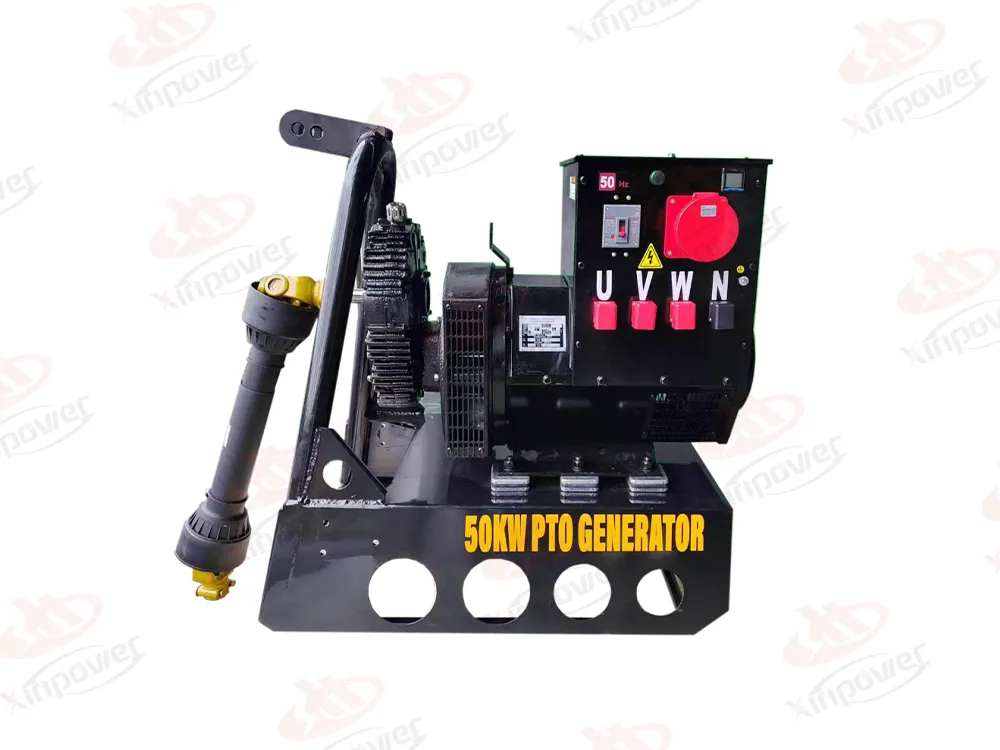
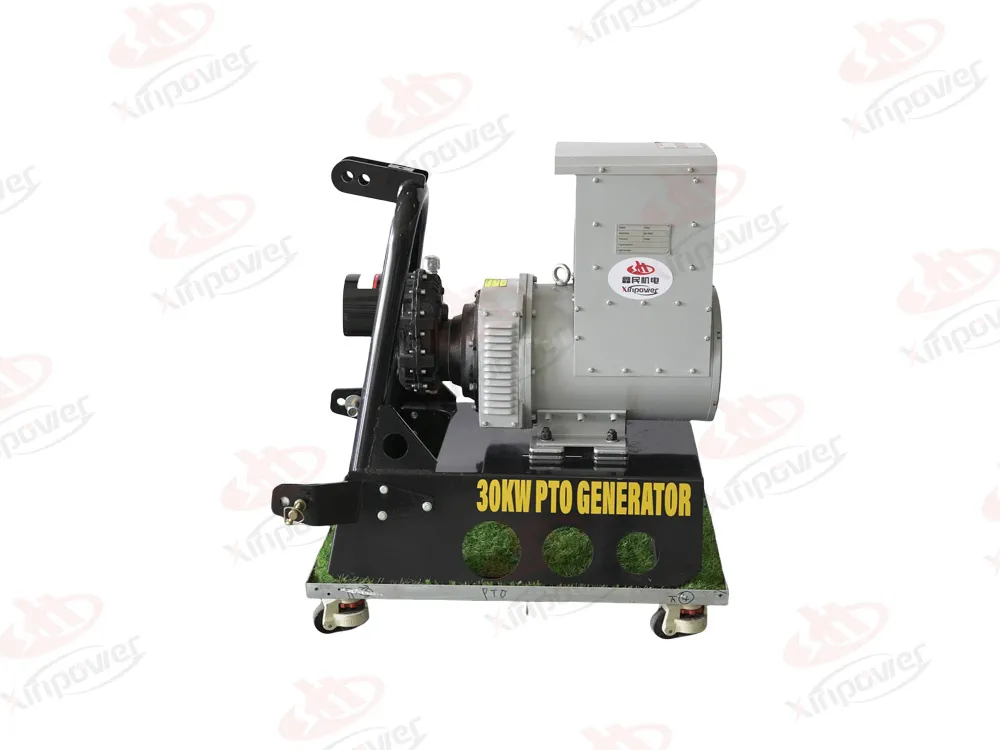
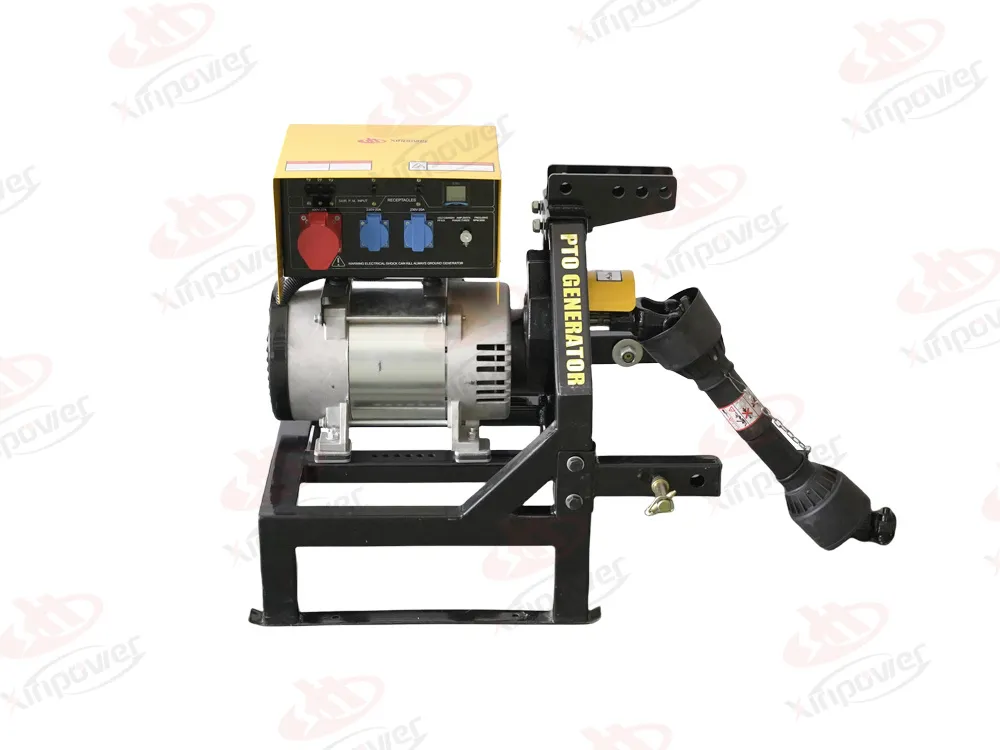
Key components of a PTO generator system include:
- **PTO Shaft:** Transfers mechanical power from the machinery to the generator.
- **Generator Unit:** Converts mechanical energy into electrical energy.
- **Control Panel:** Manages voltage, frequency, and other electrical parameters.
- **Connectors and Cables:** Ensure safe and efficient power distribution.
2. **Assess Your Power Requirements**
The first step in integrating a PTO generator is to determine your power needs. Calculate the total wattage required by all the equipment and devices you plan to power. This includes both the running wattage (continuous power needed) and the starting wattage (extra power required during startup).
For example, if you need to power a Water Pump, lighting, and a welding machine, add up their wattage requirements to determine the minimum generator capacity. Always choose a generator with a slightly higher capacity than your calculated needs to account for potential surges and future expansion.
3. **Select the Right PTO Generator**
Choose a PTO generator that matches your power requirements and is compatible with your machinery. Key factors to consider include:
- **Power Output:** Ensure the generator can supply the required wattage.
- **PTO Shaft Speed:** Most PTO generators operate at 540 RPM or 1000 RPM, so ensure your machinery’s PTO shaft speed matches the generator’s requirements.
- **Voltage and Frequency:** Standard generators produce 120/240V at 60Hz (in the U.S.) or 230V at 50Hz (in Europe). Verify compatibility with your equipment.
- **Durability and Build Quality:** Opt for a generator designed for heavy-duty use, especially in harsh environments.
4. **Ensure Compatibility with Existing Machinery**
Before installation, confirm that your machinery’s PTO shaft is compatible with the generator. Check the following:
- **PTO Shaft Type:** Ensure the shaft size and spline count match the generator’s input requirements.
- **Horsepower Rating:** Verify that your machinery has sufficient horsepower to drive the generator without overloading the engine.
- **Mounting and Space:** Ensure there is enough space to safely mount the generator and connect it to the PTO shaft.
5. **Install the PTO Generator**
Follow these steps for a safe and effective installation:
1. **Position the Generator:** Place the generator on a stable, level surface near the machinery. Ensure it is securely mounted to prevent movement during operation.
2. **Connect the PTO Shaft:** Attach the PTO shaft from the machinery to the generator’s input shaft. Use appropriate safety guards to prevent accidents.
3. **Ground the Generator:** Properly ground the generator to protect against electrical shocks and ensure safe operation.
4. **Connect Electrical Loads:** Use appropriate cables and connectors to link the generator to your equipment or electrical panel. Ensure all connections are secure and insulated.
5. **Test the System:** Start the machinery and gradually increase the PTO speed to the generator’s rated RPM. Check the output voltage and frequency to ensure they are within acceptable limits.
6. **Implement Safety Measures**
Safety is critical when working with PTO generators and machinery. Follow these precautions:
- **Read the Manual:** Review the manufacturer’s instructions for both the generator and machinery.
- **Use Safety Guards:** Install PTO shaft guards to prevent entanglement or injury.
- **Avoid Overloading:** Do not exceed the generator’s rated capacity or the machinery’s horsepower limit.
- **Monitor Operation:** Regularly check the generator and machinery for signs of wear, overheating, or other issues.
- **Shut Down Properly:** Turn off the generator and machinery before making adjustments or performing maintenance.
7. **Maintain the System**
Regular maintenance ensures the longevity and reliability of your PTO generator system. Key maintenance tasks include:
- **Lubricate the PTO Shaft:** Keep the shaft well-lubricated to reduce friction and wear.
- **Inspect Connections:** Check electrical connections for corrosion or damage.
- **Clean the Generator:** Remove dirt and debris to prevent overheating.
- **Test the System:** Periodically test the generator’s output to ensure it is functioning correctly.
- **Replace Worn Parts:** Replace any worn or damaged components promptly.
8. **Optimize Performance**
To maximize the efficiency and performance of your PTO generator system:
- **Balance the Load:** Distribute the electrical load evenly across the generator’s capacity.
- **Use Energy-Efficient Equipment:** Opt for devices with lower power consumption to reduce strain on the generator.
- **Monitor Fuel Consumption:** Ensure your machinery is operating efficiently to minimize fuel usage.
- **Upgrade as Needed:** If your power requirements increase, consider upgrading to a higher-capacity generator or adding additional units.
9. **Troubleshoot Common Issues**
Be prepared to address common problems that may arise:
- **Low Voltage Output:** Check the PTO speed, connections, and generator settings.
- **Overheating:** Ensure proper ventilation and clean the generator regularly.
- **Mechanical Failure:** Inspect the PTO shaft and generator for wear or damage.
- **Electrical Faults:** Test the control panel and wiring for issues.
10. **Plan for Future Needs**
As your operations grow, your power requirements may change. Plan for future needs by:
- **Selecting Scalable Solutions:** Choose a generator system that can be expanded or upgraded.
- **Investing in Backup Power:** Consider adding a secondary generator or battery storage for redundancy.
- **Exploring Renewable Options:** Integrate solar or wind power with your PTO generator for a hybrid system.
Conclusion
Integrating a PTO generator set with existing machinery is a practical and efficient way to generate electricity in remote or off-grid locations. By carefully assessing your power needs, selecting the right equipment, and following proper installation and maintenance procedures, you can create a reliable and cost-effective power solution. Always prioritize safety and plan for future needs to ensure the long-term success of your PTO generator system.
This website uses cookies to ensure you get the best experience on our website.





 Phone
Phone