Whatsapp: +8615995188408 Email: aaron@xmdieselpower.com
 Français
 Deutsch




**How to Choose a PTO Generator Set for Off-Grid Living**
Living off-grid is an increasingly popular lifestyle choice for those seeking independence, sustainability, and a closer connection to nature. However, one of the biggest challenges of off-grid living is ensuring a reliable and consistent power supply. A Power Take-Off (PTO) generator set can be an excellent solution for generating electricity in remote locations. This guide will walk you through the key factors to consider when choosing a PTO Generator set for off-grid living.
---
**1. Understand What a PTO Generator Set Is**
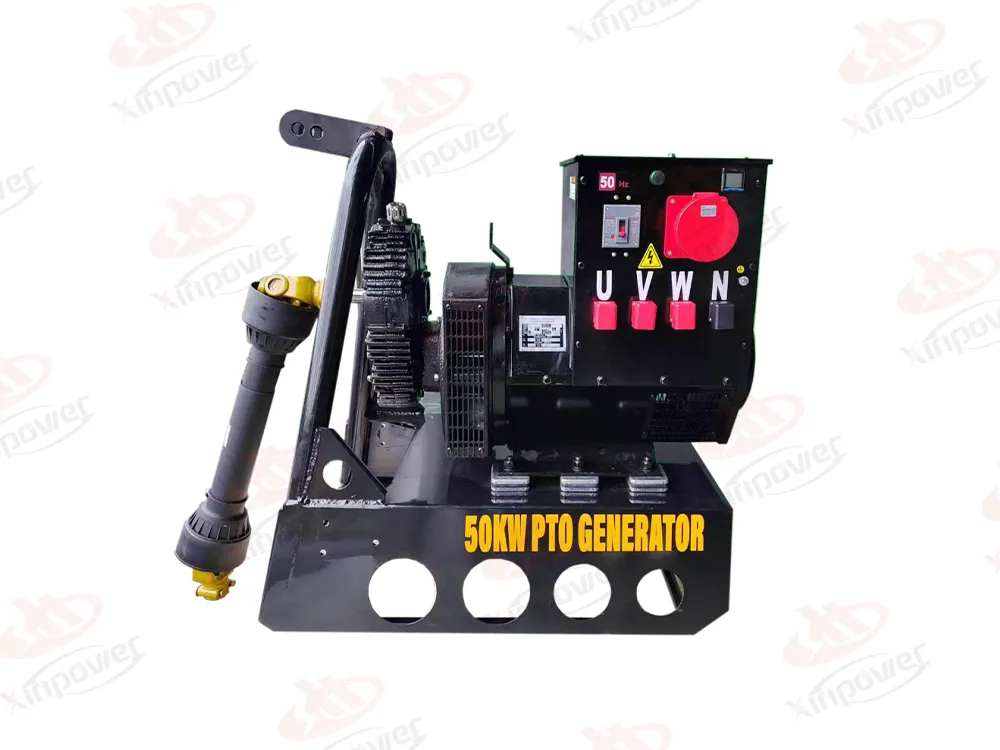
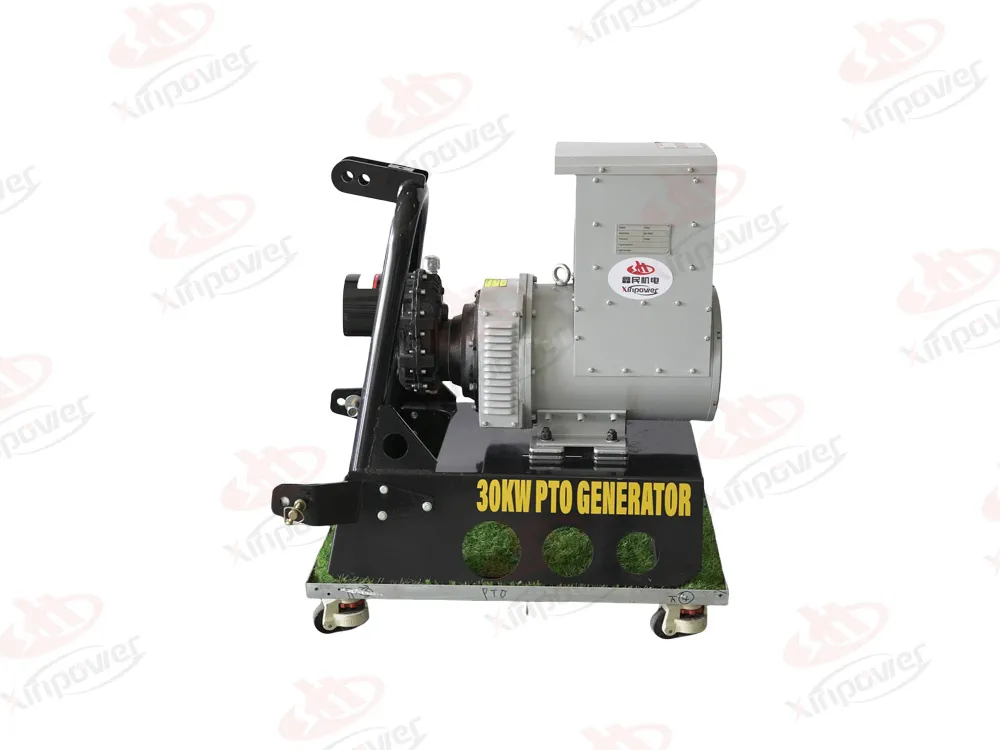
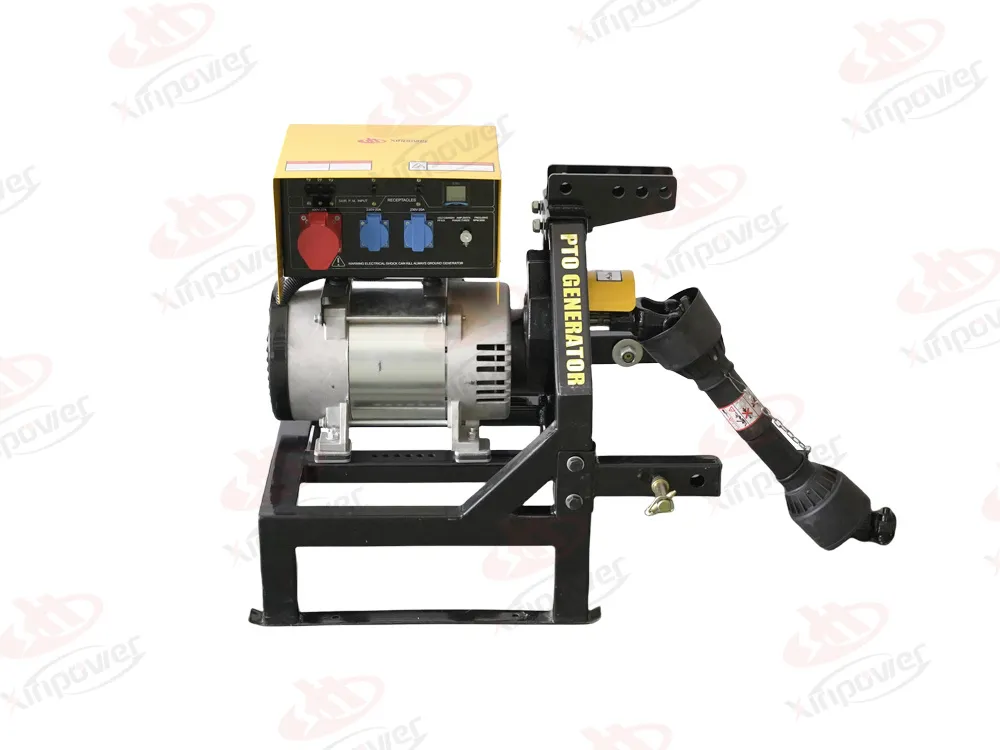
A PTO generator is a device that connects to the Power Take-Off shaft of a tractor or other vehicle to generate electricity. Unlike standalone generators, PTO generators rely on the engine of the tractor to power the generator head, making them a cost-effective and versatile option for off-grid power generation.
Key advantages of PTO generators include:
- **Cost-Effective:** Since they use the tractor’s engine, you don’t need a separate engine for the generator.
- **Durability:** PTO generators are built to withstand heavy use and harsh conditions.
- **Versatility:** They can be used with various types of tractors or vehicles with PTO shafts.
---
**2. Assess Your Power Needs**
The first step in choosing a PTO generator set is determining your power requirements. This involves calculating the total wattage of all the appliances and devices you plan to power simultaneously. Here’s how to do it:
- **List Your Appliances:** Make a list of all the electrical devices you’ll use, including lights, refrigerators, pumps, tools, and electronics.
- **Check Wattage Ratings:** Look at the wattage rating of each device, usually found on the label or in the user manual.
- **Calculate Total Wattage:** Add up the wattage of all devices to determine your total power needs.
- **Account for Surge Power:** Some appliances, like refrigerators or power tools, require extra power when starting up. Ensure your generator can handle these surges.
For example, if your total power requirement is 5,000 watts, you’ll need a PTO generator set rated for at least 5,000 watts, with some additional capacity for surges.
---
**3. Choose the Right Generator Size**
PTO generators come in various sizes, typically ranging from 5 kW to 50 kW or more. The size you choose depends on your power needs and the capabilities of your tractor. Here’s what to consider:
- **Tractor Horsepower:** The generator’s power output is directly related to the tractor’s horsepower. As a general rule, you’ll need about 2 horsepower per 1 kW of generator output. For example, a 10 kW generator requires a tractor with at least 20 horsepower.
- **Continuous vs. Peak Power:** Ensure the generator can provide continuous power for your needs, not just peak power for short bursts.
- **Future Expansion:** If you plan to add more appliances or expand your off-grid setup, choose a generator with some extra capacity.
---
**4. Consider the Generator’s Features**
When selecting a PTO generator set, look for features that enhance its performance and usability:
- **Voltage Output:** Most PTO generators produce 120/240 volts, which is standard for household use. Ensure the generator’s output matches your electrical system.
- **Frequency:** Generators typically produce 60 Hz (in the U.S.) or 50 Hz (in many other countries). Make sure the frequency matches your appliances.
- **Portability:** Some PTO generators are mounted on trailers for easy transport, which is useful if you need to move the generator between locations.
- **Noise Level:** While PTO generators are generally quieter than standalone generators, some models are designed to operate more quietly, which is important for off-grid living.
- **Safety Features:** Look for features like overload protection, automatic voltage regulation, and circuit breakers to protect your equipment and ensure safe operation.
---
**5. Evaluate the Tractor’s Compatibility**
Since PTO generators rely on the tractor’s engine, it’s essential to ensure compatibility between the generator and your tractor. Consider the following:
- **PTO Shaft Type:** Tractors have different types of PTO shafts (e.g., 540 RPM or 1000 RPM). Ensure the generator is compatible with your tractor’s PTO shaft speed.
- **Mounting System:** Some generators are designed to be mounted directly to the tractor, while others require a separate mounting frame or trailer. Choose a system that works with your setup.
- **Tractor Maintenance:** Running a PTO generator puts additional strain on the tractor’s engine. Ensure your tractor is well-maintained and capable of handling the extra load.
---
**6. Think About Fuel Efficiency**
Fuel efficiency is a critical factor for off-grid living, as fuel costs can add up quickly. Here’s how to optimize fuel efficiency:
- **Match Generator Size to Load:** Running a generator at or near its rated capacity is more fuel-efficient than running a larger generator at a low load.
- **Use High-Quality Fuel:** Clean, high-quality fuel ensures optimal performance and reduces wear on the tractor’s engine.
- **Regular Maintenance:** Keep the tractor and generator well-maintained to ensure efficient operation.
---
**7. Plan for Backup Power**
While PTO generators are reliable, it’s wise to have a backup power source in case of mechanical failure or maintenance downtime. Consider combining your PTO generator with:
- **Solar Panels:** Solar power is a clean, renewable energy source that can supplement your generator.
- **Battery Storage:** A battery system can store excess power for use when the generator isn’t running.
- **Standby Generator:** A small standalone generator can serve as a backup in emergencies.
---
**8. Budget and Cost Considerations**
PTO generators are generally more affordable than standalone generators, but costs can vary widely depending on size, features, and brand. Here’s how to manage your budget:
- **Initial Cost:** Compare prices from different manufacturers and suppliers to find the best deal.
- **Operating Costs:** Factor in fuel, maintenance, and potential repairs when calculating the total cost of ownership.
- **Long-Term Value:** Invest in a high-quality generator that will last for years, even if it costs more upfront.
---
**9. Research Brands and Reviews**
Before making a purchase, research different brands and read customer reviews to ensure you’re choosing a reliable and well-built generator. Look for brands with a reputation for durability, performance, and excellent customer support.
---
**10. Installation and Setup**
Proper installation is crucial for the safe and efficient operation of your PTO generator. Consider the following:
- **Professional Installation:** If you’re not experienced with electrical systems, hire a professional to install the generator and connect it to your off-grid power system.
- **Grounding and Wiring:** Ensure the generator is properly grounded and wired to prevent electrical hazards.
- **Ventilation:** Install the generator in a well-ventilated area to prevent overheating and ensure safe operation.
---
**Conclusion**
Choosing the right PTO generator set for off-grid living requires careful consideration of your power needs, tractor compatibility, fuel efficiency, and budget. By following the steps outlined in this guide, you can select a generator that provides reliable, cost-effective power for your off-grid lifestyle. Whether you’re powering a small cabin or a fully equipped homestead, a PTO generator set can be a valuable investment in your off-grid journey.
This website uses cookies to ensure you get the best experience on our website.





 Phone
Phone