Whatsapp: +8615995188408 Email: aaron@xmdieselpower.com
 Français
 Deutsch




**How to Size a PTO Generator Set for Your Equipment**
A Power Take-Off (PTO) generator is a versatile and cost-effective solution for generating electricity in remote locations or during power outages. It connects directly to the PTO shaft of a tractor or other equipment, converting mechanical energy into electrical power. However, sizing a PTO Generator correctly is critical to ensure it meets your power needs without overloading your equipment. This guide will walk you through the steps to properly size a PTO Generator Set for your equipment.
---
**1. Understand Your Power Requirements**
The first step in sizing a PTO generator is determining your total power requirements. This involves calculating the wattage of all the devices and equipment you plan to power simultaneously. Here’s how to do it:
- **List all devices:** Identify all electrical devices, tools, or appliances that will be connected to the generator.
- **Determine wattage:** Check the nameplate or user manual of each device for its wattage rating. If only amperage and voltage are provided, use the formula:
**Watts = Volts × Amps**
- **Account for startup surge:** Some devices, such as motors or compressors, require additional power during startup. Multiply the running wattage by a surge factor (typically 1.5 to 3 times) to account for this.
- **Calculate total wattage:** Add the running wattage of all devices, including surge wattage for applicable devices.
For example, if you need to power a 1,500-watt heater, a 1,000-watt drill, and a 500-watt light, your total running wattage is 3,000 watts. If the drill has a surge factor of 2, its surge wattage is 2,000 watts, bringing the total to 4,500 watts.
---
**2. Choose the Right Generator Size**
Once you know your total wattage, select a PTO generator with a rated output that meets or exceeds your requirements. PTO generators are typically rated in kilowatts (kW), with 1 kW equal to 1,000 watts. For the example above, you would need a generator with a minimum output of 4.5 kW.
It’s important to choose a generator with some margin of safety. For instance, if your total wattage is 4.5 kW, consider a 5 kW or 6 kW generator to avoid overloading the unit.
---
**3. Match the Generator to Your Equipment’s PTO**
PTO generators are designed to operate at specific PTO speeds, typically 540 RPM or 1,000 RPM, depending on the tractor or equipment. Ensure the generator’s PTO speed matches your equipment’s PTO output.
Additionally, verify that your equipment’s PTO can handle the generator’s power requirements. The PTO horsepower (HP) must be sufficient to drive the generator. As a rule of thumb, the PTO horsepower should be at least 1.5 times the generator’s rated output in kilowatts. For example, a 10 kW generator requires at least 15 PTO HP.
---
**4. Consider Generator Efficiency and Duty Cycle**
Generators are most efficient when operating at 50% to 80% of their rated capacity. Running a generator at full load for extended periods can reduce its lifespan and increase fuel consumption. Choose a generator that allows for efficient operation within your power needs.
Also, consider the duty cycle of your generator. If you need continuous power for long periods, opt for a generator with a high-duty cycle rating. For intermittent use, a standard-duty generator may suffice.
---
**5. Evaluate Fuel Consumption**
PTO generators rely on the fuel efficiency of your tractor or equipment. While they are generally more fuel-efficient than standalone generators, it’s still important to consider fuel consumption. Larger generators and higher loads will consume more fuel, so factor this into your decision.
---
**6. Check Voltage and Phase Requirements**
Ensure the generator’s voltage and phase output match your equipment and devices. Most PTO generators produce single-phase or three-phase power at 120/240 volts, which is standard for residential and light commercial use. However, industrial equipment may require three-phase power at higher voltages.
---
**7. Assess Portability and Installation**
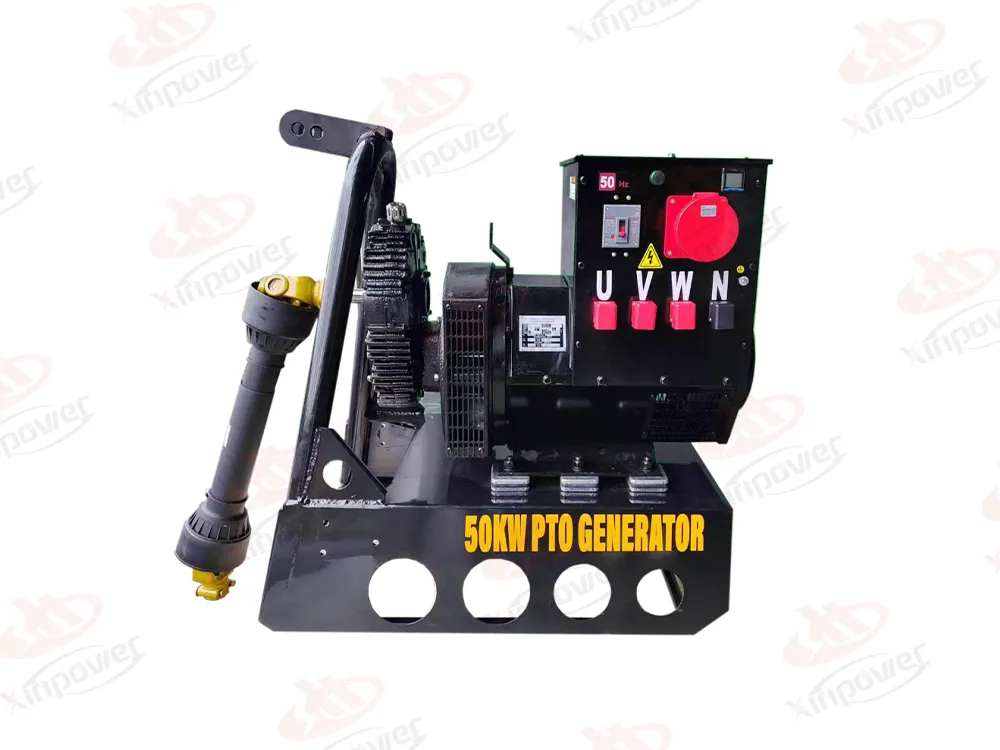
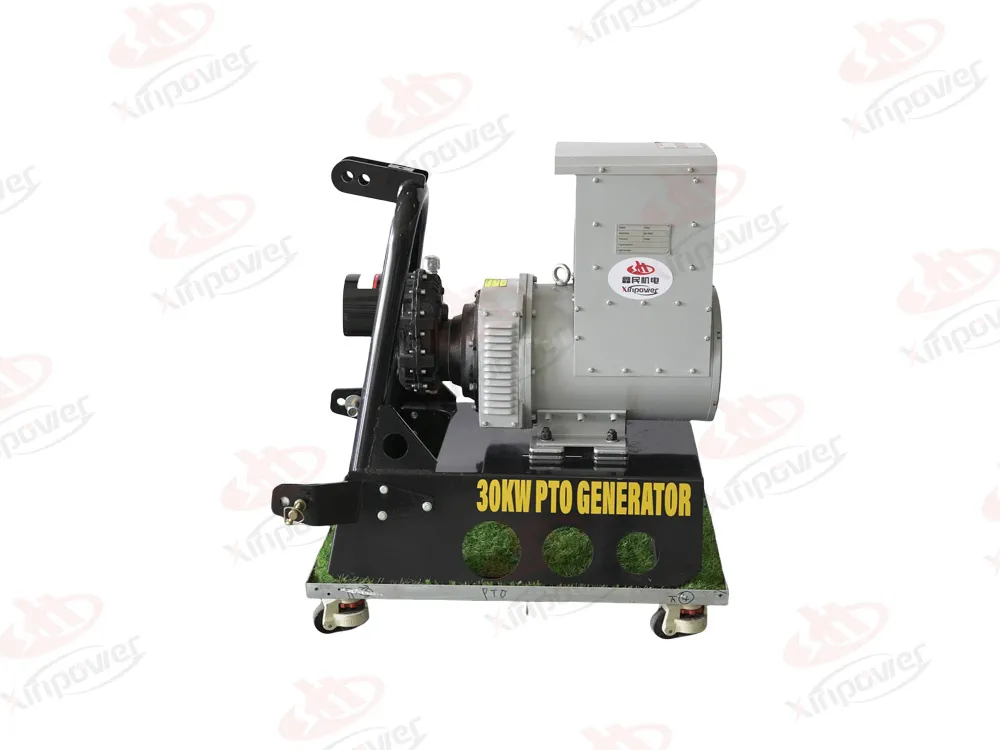
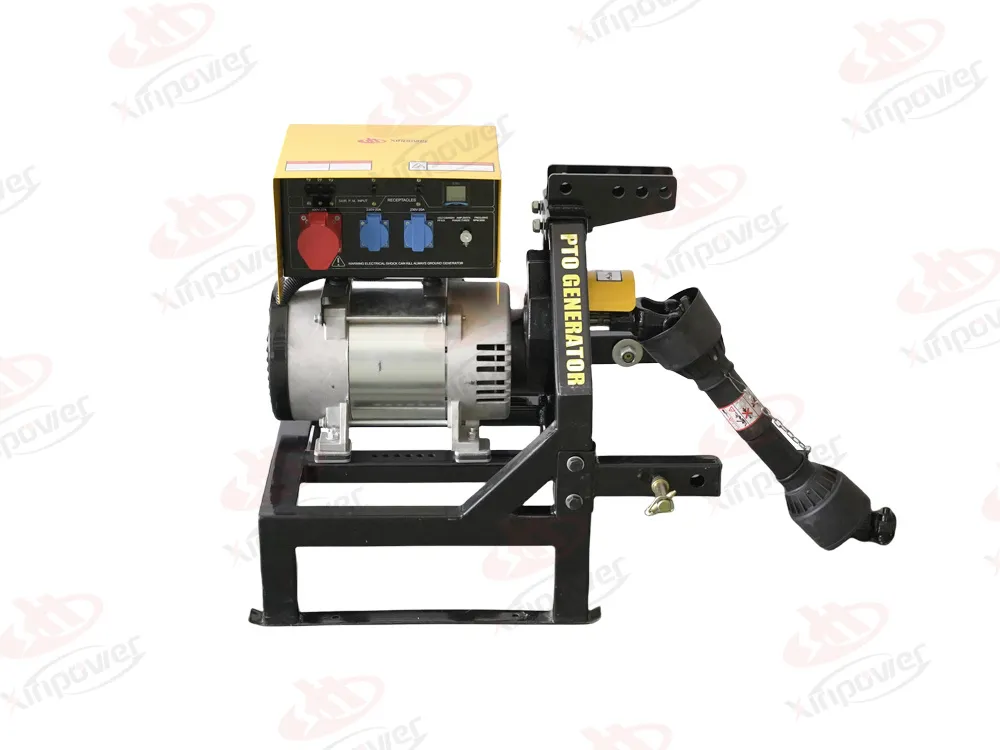
PTO generators are typically mounted on a trailer or skid for portability. Consider the size and weight of the generator, as well as the towing capacity of your equipment. Ensure the generator is securely mounted and properly connected to the PTO shaft to prevent accidents.
---
**8. Review Safety Features**
Look for generators with built-in safety features, such as overload protection, circuit breakers, and voltage regulation. These features protect both the generator and your equipment from damage due to power surges or electrical faults.
---
**9. Consult Manufacturer Guidelines**
Always refer to the manufacturer’s guidelines for both the generator and your equipment. They provide specific recommendations for compatibility, installation, and operation. If in doubt, consult a professional or the manufacturer’s technical support team.
---
**10. Perform a Test Run**
Once the generator is installed, conduct a test run to ensure it operates smoothly and meets your power needs. Monitor the generator’s performance, including voltage output, fuel consumption, and temperature, to confirm it’s functioning correctly.
---
**Conclusion**
Sizing a PTO generator set for your equipment requires careful consideration of your power needs, equipment capabilities, and generator specifications. By following these steps, you can select a generator that provides reliable, efficient power while protecting your equipment from overload or damage. Whether you’re using it for farming, construction, or emergency backup, a properly sized PTO generator is an invaluable tool for any operation.
This website uses cookies to ensure you get the best experience on our website.





 Phone
Phone