Whatsapp: +8615995188408 Email: aaron@xmdieselpower.com
 Français
 Deutsch




**Best Practices for Storing Your PTO Generator Set**
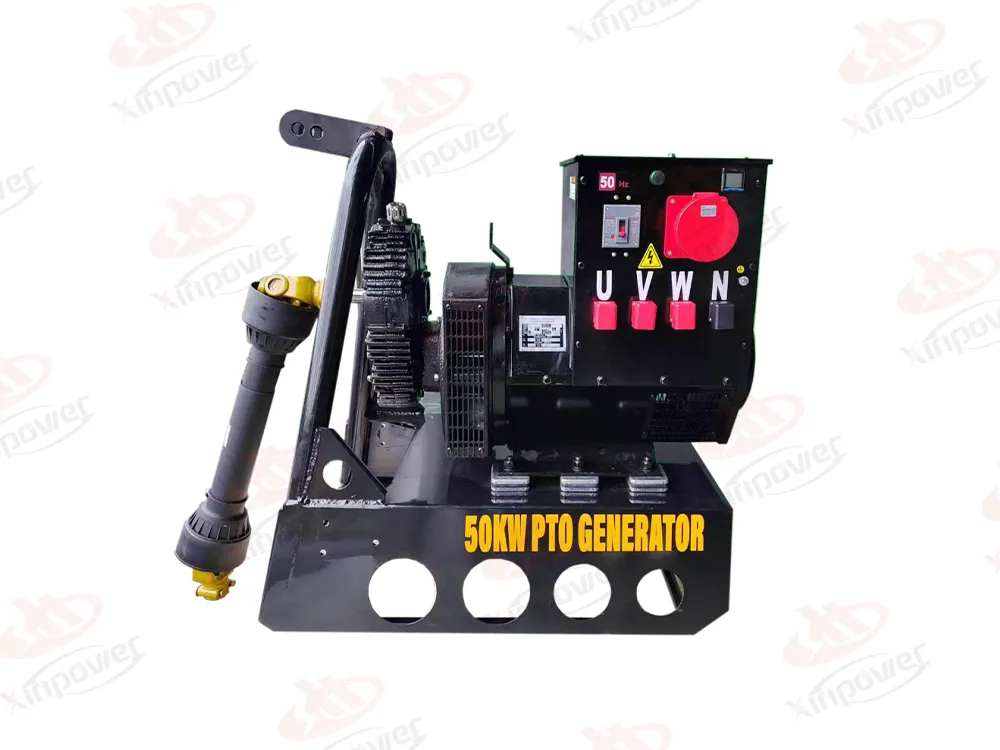
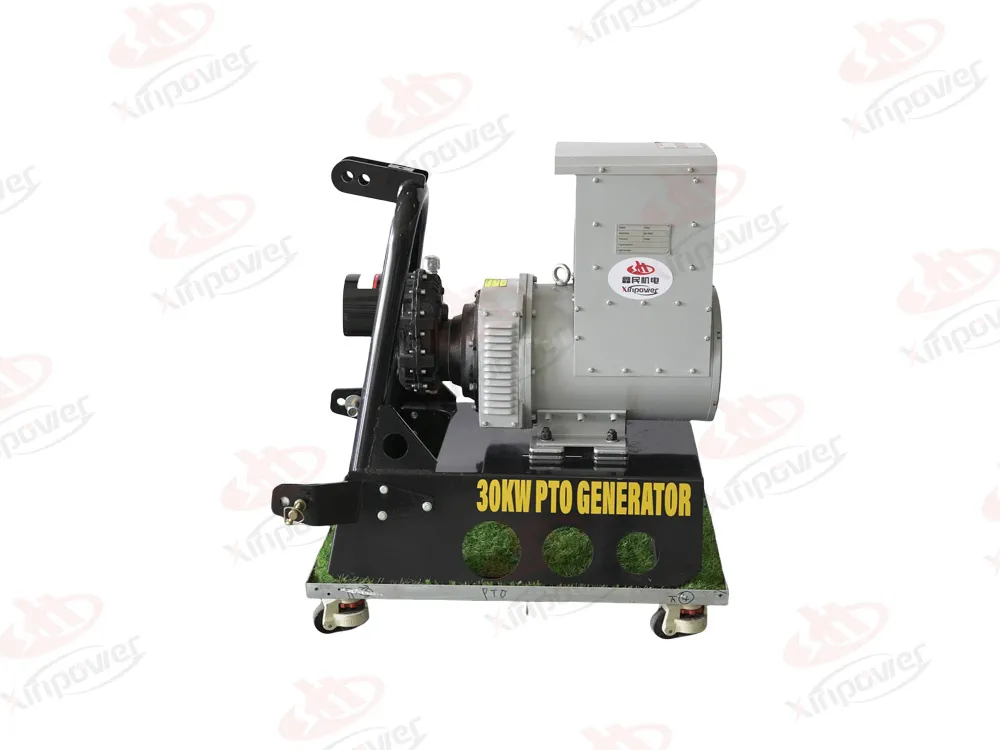
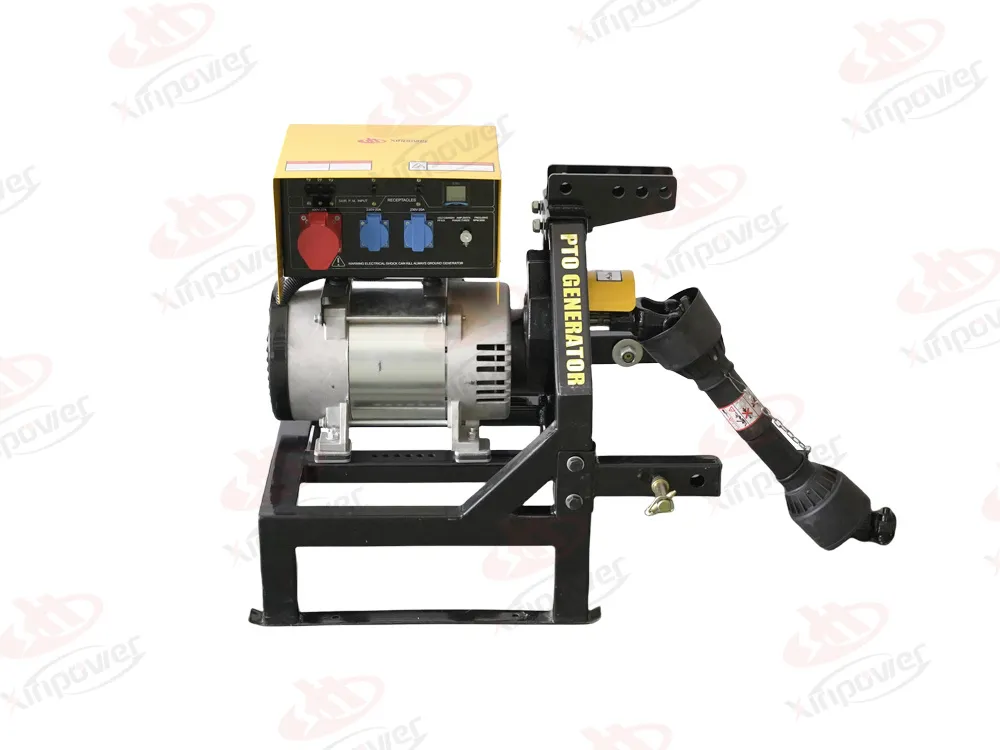
A Power Take-Off (PTO) generator set is a valuable piece of equipment that provides reliable backup power in various applications, from agricultural operations to emergency situations. Proper storage of your PTO Generator set is essential to ensure its longevity, maintain its performance, and prevent costly repairs or replacements. Whether you are storing it for a short period or an extended duration, following best practices will help protect your investment. Below are detailed guidelines for storing your PTO Generator Set effectively.
---
1. **Clean the Generator Set Thoroughly**
Before storing your PTO generator set, it is crucial to clean it thoroughly to remove dirt, debris, and any residues that could cause corrosion or damage over time. Use a soft brush or cloth to clean the exterior, and pay special attention to the following areas:
- **Air Intake and Exhaust Ports:** Ensure these are free of dust and debris to prevent blockages.
- **Cooling System:** Clean the radiator or cooling fins to maintain proper airflow.
- **Engine and Generator Housing:** Wipe down surfaces to remove grease, oil, or moisture.
Avoid using high-pressure water or harsh chemicals that could damage sensitive components. Once cleaned, allow the generator set to dry completely before storage.
---
2. **Inspect for Damage or Wear**
Conduct a thorough inspection of your PTO generator set before storing it. Look for signs of wear, damage, or loose connections, and address any issues promptly. Key areas to inspect include:
- **Belts and Hoses:** Check for cracks, fraying, or leaks.
- **Electrical Connections:** Ensure all terminals and wires are secure and free of corrosion.
- **Moving Parts:** Lubricate bearings, hinges, and other moving parts to prevent rust.
- **Fuel System:** Inspect for leaks or blockages.
If you identify any problems, repair or replace the affected components before storage to avoid further deterioration.
---
3. **Drain or Stabilize the Fuel**
Fuel left in the generator set for extended periods can degrade, leading to clogged fuel lines, carburetor issues, or engine damage. Depending on your storage duration, take the following steps:
- **Short-Term Storage (Less than 30 Days):** Add a fuel stabilizer to the tank and run the generator for a few minutes to circulate the stabilized fuel through the system.
- **Long-Term Storage (More than 30 Days):** Drain the fuel tank and fuel lines completely. Alternatively, run the generator until it stops to ensure no fuel remains in the system.
Always dispose of old fuel responsibly and in accordance with local regulations.
---
4. **Change the Oil and Filters**
Used oil contains contaminants that can corrode engine components over time. Before storing your PTO generator set:
- Change the engine oil and replace the oil filter.
- Check and replace the air filter if necessary.
- Inspect and clean the fuel filter.
Fresh oil and clean filters will help protect the engine during storage and ensure it is ready for use when needed.
---
5. **Protect the Battery**
If your PTO generator set has a battery, take steps to prevent it from losing charge or becoming damaged during storage:
- Disconnect the battery to avoid parasitic drain.
- Clean the terminals and apply a protective coating to prevent corrosion.
- Store the battery in a cool, dry place and recharge it periodically to maintain its health.
Alternatively, use a battery maintainer or trickle charger to keep the battery charged during storage.
---
6. **Cover and Protect the Generator Set**
To protect your PTO generator set from dust, moisture, and pests, cover it with a breathable, weatherproof cover. Avoid using plastic tarps, as they can trap moisture and cause condensation, leading to rust or mold. Additionally:
- Store the generator set in a dry, well-ventilated area, such as a shed or garage.
- Elevate it off the ground using pallets or stands to prevent moisture damage.
- Seal any openings, such as exhaust ports or air intakes, with protective caps or covers to keep out pests and debris.
---
7. **Rotate the Engine Periodically**
For long-term storage, it is advisable to rotate the engine periodically to prevent components from seizing. Every few months, turn the engine manually or start the generator and let it run for a few minutes. This helps lubricate internal parts and ensures the generator remains in working condition.
---
8. **Document Maintenance and Storage Details**
Keep a record of all maintenance activities and storage steps taken. This documentation will help you track the generator set’s condition and ensure it is properly maintained over time. Include details such as:
- Date of storage
- Maintenance performed (e.g., oil change, fuel stabilization)
- Battery maintenance schedule
- Inspection notes
---
9. **Prepare for Future Use**
When you are ready to use your PTO generator set after storage, take the following steps to ensure it operates smoothly:
- Reconnect the battery and check its charge level.
- Refill the fuel tank with fresh fuel if it was drained.
- Inspect all components for signs of damage or wear.
- Test the generator under load to verify its performance.
---
10. **Follow Manufacturer Guidelines**
Always refer to the manufacturer’s manual for specific storage recommendations tailored to your PTO generator set. Following the manufacturer’s guidelines will help you avoid voiding warranties and ensure optimal care for your equipment.
---
Conclusion
Proper storage of your PTO generator set is essential to maintain its functionality and extend its lifespan. By cleaning, inspecting, and protecting your generator set, you can prevent damage, reduce maintenance costs, and ensure it is ready to provide reliable power when needed. Whether you are storing it for a few weeks or several months, these best practices will help you safeguard your investment and keep your PTO generator set in peak condition.
This website uses cookies to ensure you get the best experience on our website.





 Phone
Phone