 Français
 Deutsch



Mr. Xu
Leave a message

Product Overview
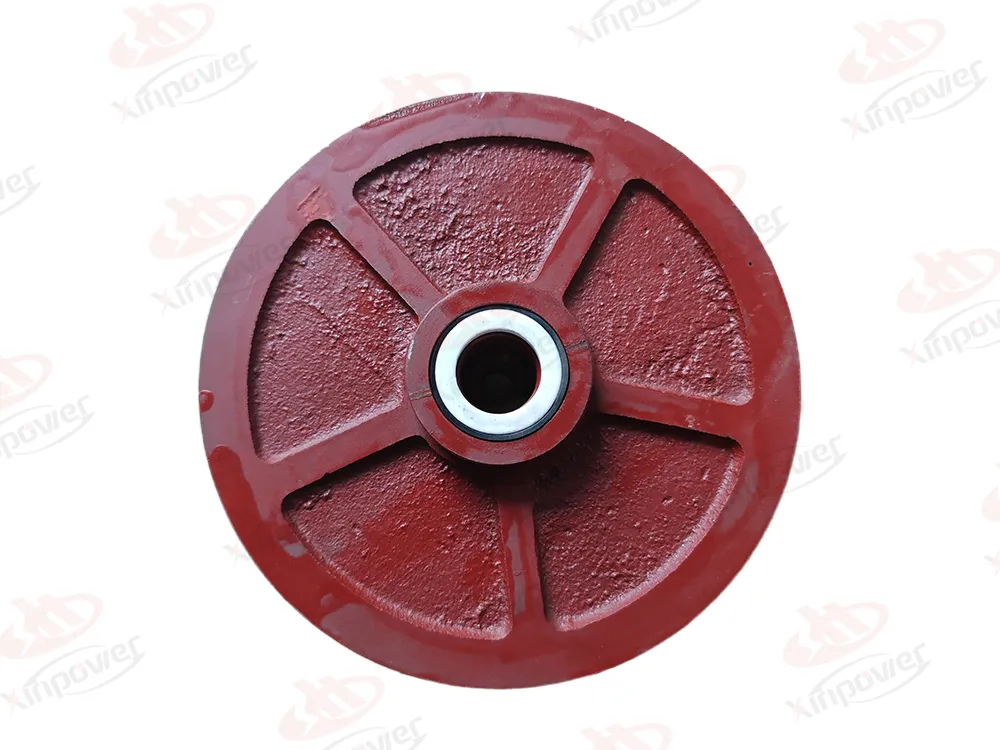
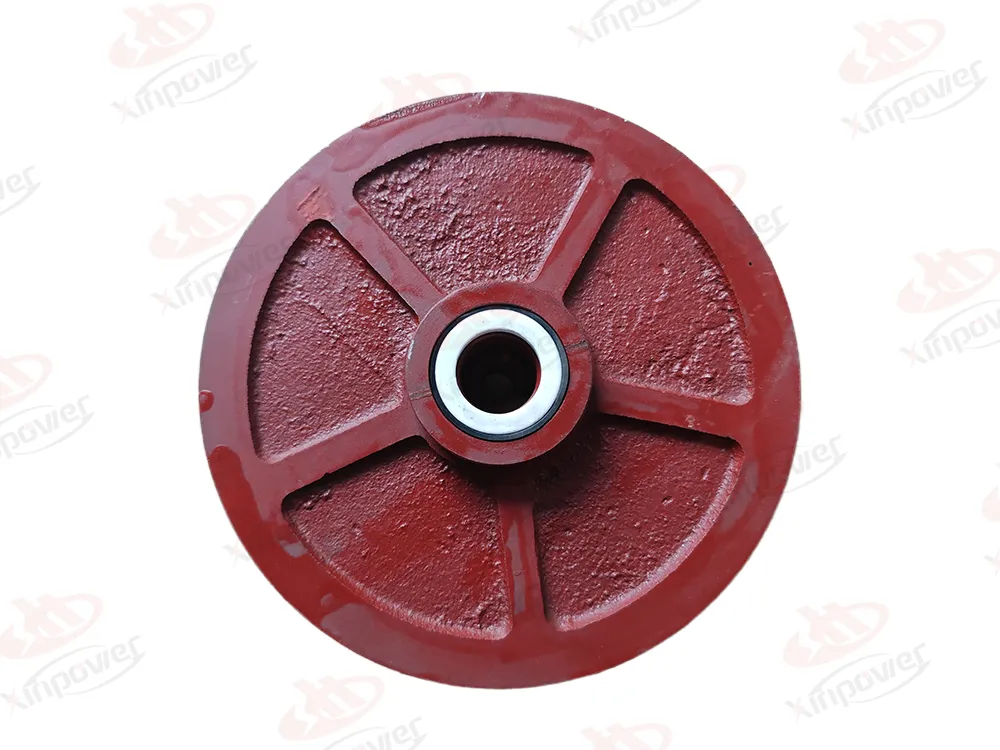
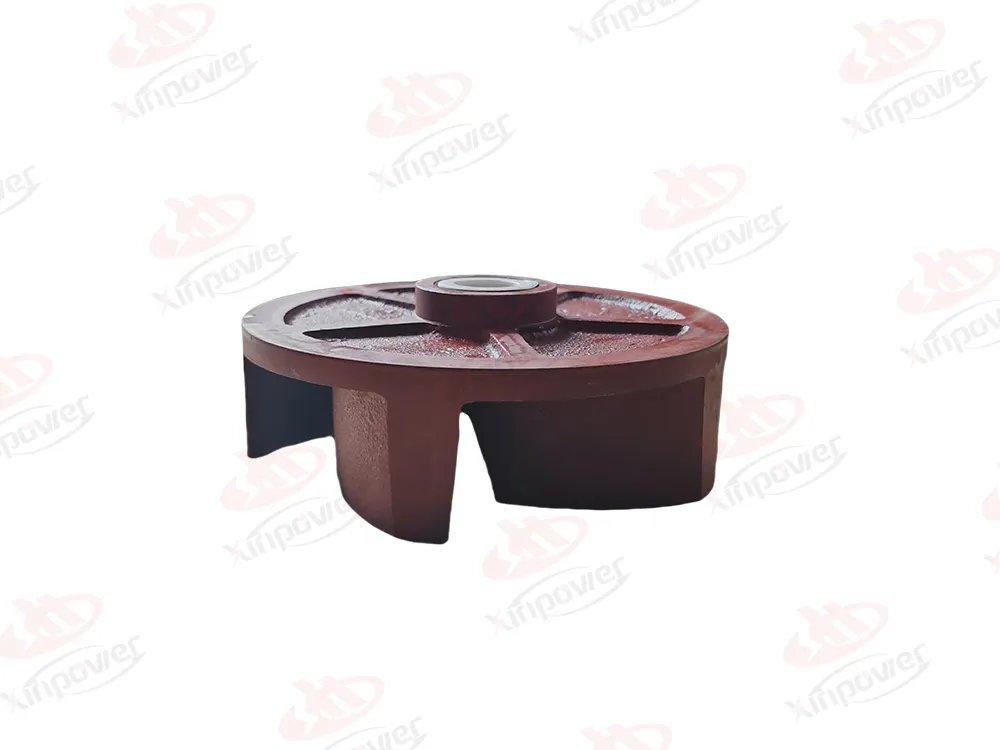
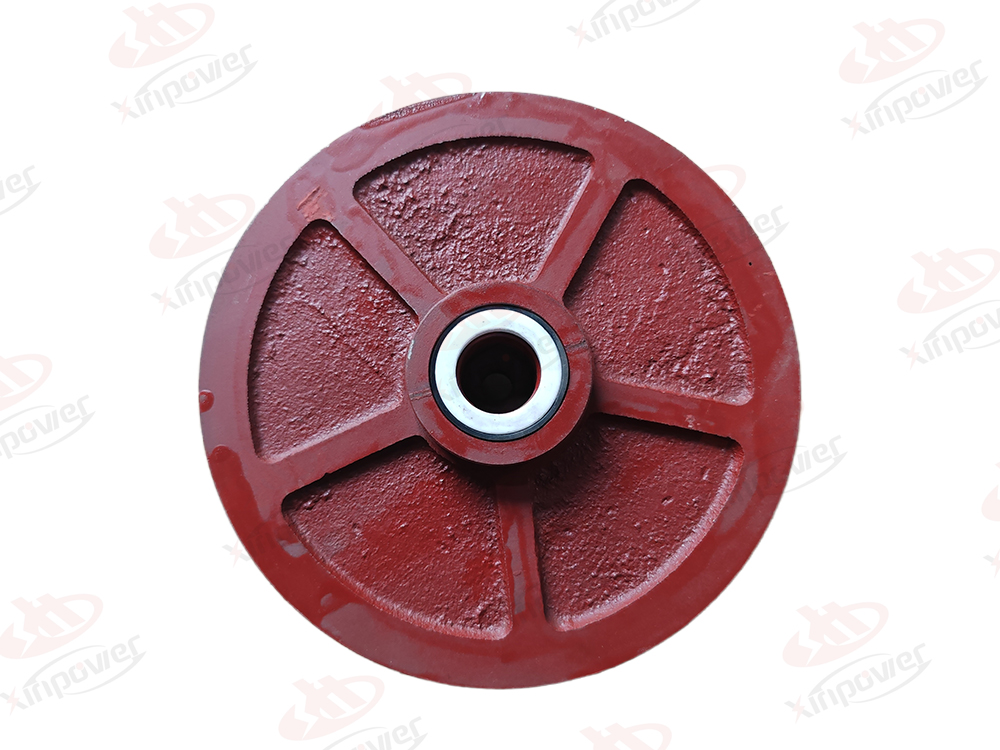
The Pump Impeller Assembly is one of the most critical components in a Water Pump, responsible for converting power into kinetic energy of the fluid, driving the fluid from the pump inlet to the pump outlet. The design of the impeller directly affects the performance, efficiency, and stability of the pump. The impeller components of a water pump include the impeller body, impeller shaft, bearings, seals, and other related accessories, which are widely used in various types of pump systems such as water pumps, centrifugal pumps, submersible pumps, chemical pumps, etc.
Composition of impeller components
The impeller assembly of a water pump usually consists of the following parts:
Impeller: The main rotating part, usually composed of multiple blades, that uses rotation to generate centrifugal force to propel the fluid. The shape and material of the impeller directly determine the performance of the water pump.
Impeller Shaft: A shaft used to connect the impeller and pump body, transmitting power to drive the impeller to rotate.
Bearing: supports the impeller shaft, reduces friction, and ensures the smooth operation of the water pump.
Seal: Used to prevent liquid leakage and ensure that the water pump is not affected by external factors during efficient operation.
Impeller Casing/Housing: protects the impeller from external damage and helps fluid flow around the impeller.
Working principle of impeller components
The working principle of the Water Pump Impeller component is based on the principle of centrifugal force. When the electric motor drives the impeller to rotate through the shaft, fluid (such as water, chemical liquids, sewage, etc.) is drawn into the impeller from the inlet of the pump. The rotational motion of the impeller accelerates the fluid, causing it to flow outward along the blades, generating centrifugal force that forces the fluid into the pump casing and out through the outlet. During this process, the impeller continuously increases the kinetic energy of the fluid to obtain sufficient pressure.
Main types and designs
There are different types and designs of water pump impellers, suitable for different working environments and application requirements:
Open Impeller: The blades are not enclosed and are typically used to treat clean water with less impurities, exhibiting good flow and head performance.
Semi Closed Impeller: One side of the blade is closed and the other side is open, suitable for handling liquids with small amounts of impurities.
Closed Impeller: The blades are enclosed on both sides and are typically used to handle cleaner, impurity free liquids, providing higher pressure and efficiency.
Single Stage Impeller: Only completes the acceleration and discharge of liquid within one impeller, commonly used in small water pumps.
Multi Stage Impeller: Multiple impellers are cascaded to increase fluid pressure, suitable for pump systems that require high head.
Material and selection
According to the characteristics of the liquid to be processed by the pump, different materials can be selected for the impeller components to ensure the efficiency and durability of the pump:
Stainless steel impeller: suitable for highly corrosive, high-temperature, high-pressure environments such as chemical liquids, seawater, etc., with high corrosion resistance and strength.
Cast iron impeller: commonly used in water pumps for ordinary clean water or low corrosive liquids, with high wear resistance and compressive strength.
Copper alloy impeller: suitable for highly corrosive environments, with excellent corrosion resistance and wear resistance.
Plastic impeller: used for water pumps in low-pressure and low-temperature environments, such as residential water supply and low flow applications, with good corrosion resistance and lightweight.
Aluminum alloy impeller: suitable for medium pressure environments, usually used in general industrial pump systems.
Application Fields
Pump impeller components are widely used in various industries and fields, with main application scenarios including:
Water treatment: used in sewage treatment plants, water plants and other facilities to treat clean water, sewage, mud, etc.
Agricultural irrigation: Ensure that the water pumps in the agricultural irrigation system work effectively and provide stable water flow.
Industrial drainage: used for drainage pumps, sewage pumps, etc., widely used in industries such as mining and metallurgy.
Chemical and Petroleum: Used for chemical pumps, petroleum pumps, etc., to help transport corrosive and flammable liquids.
Fire protection system: The impeller component of the water pump ensures that the fire pump can provide efficient water flow pressure to support emergency response in case of fire.
Ocean and Ship: Used for ship water pumps and seawater treatment pumps, processing seawater, coolant, etc.
Advantages of impeller components
High efficiency: Well designed impellers can significantly increase the flow rate and head of the water pump, thereby enhancing the overall performance of the pump.
Strong durability: Using high-quality impeller components can ensure long-term operation in harsh environments and reduce maintenance frequency.
Corrosion resistance and wear resistance: Especially in the treatment of special liquids such as chemicals, cement, and slurry, corrosion resistance and wear resistance are crucial.
Cost effectiveness: By optimizing design and material selection, maintenance and operational costs of the Water Pump System can be reduced.
Maintenance and upkeep
Regular maintenance and upkeep are essential to ensure optimal performance of the water pump impeller components
Regular inspection: Check the wear of impellers, shafts, and sealing components to prevent leakage and performance degradation.
Cleaning the impeller: Regularly clean the impurities and deposits on the surface of the impeller to ensure smooth fluid flow.
Check the seal: Ensure that the sealing components are not worn or aged to prevent liquid leakage.
Replace worn parts: With the use of the impeller, wear may occur. Replace worn parts in a timely manner to maintain the efficiency of the pump.
Common Problems
Insufficient flow: It may be due to damage, blockage, or excessive wear of the impeller, which needs to be inspected and replaced.
Excessive noise: It may be due to foreign objects between the impeller and the pump casing, or improper installation of the impeller, which needs to be cleaned or adjusted.
Low efficiency of water pump: The impeller may affect the efficiency of the water pump due to prolonged use or improper design, and requires inspection and maintenance.
✪Company Introduction
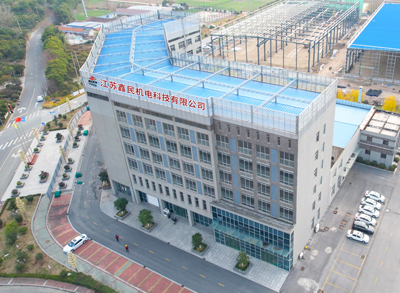
Jiangsu
Xinmin, located in Yancheng, a land of Jiangnan culture and fish and
rice, is an enterprise focusing on the research, development, production
and sales of Diesel Engines, Diesel Generator Sets, diesel Water Pump
sets, Tractor Generator Sets and Tractor Water Pump sets. Since its
establishment, we have always adhered to innovation-driven,
quality-centered, market-oriented, and committed to providing customers
with efficient and reliable diesel power solutions. With excellent
quality and good reputation, our products are exported to more than 50
countries and regions around the world, and are widely used in power,
water conservancy, agriculture, mining and other fields. We have
established long-term cooperative relations with many well-known
companies at home and abroad, and are deeply trusted and supported by
customers.
Jiangsu Xinmin actively pursues internal quality and
specializes in quality. We firmly believe that quality is life and
quality goes a long way. The company advocates "zero defects" as the
standard for careful manufacturing. The high-standard testing center
escorts the product quality, and strict quality management runs through
the entire production process of the enterprise.
Looking forward to
the spark of the spark, waiting for the bright and bright. Jiangsu
Xinmin will always practice the solemn promise of the enterprise, work
hand in hand with you, and lead the future!
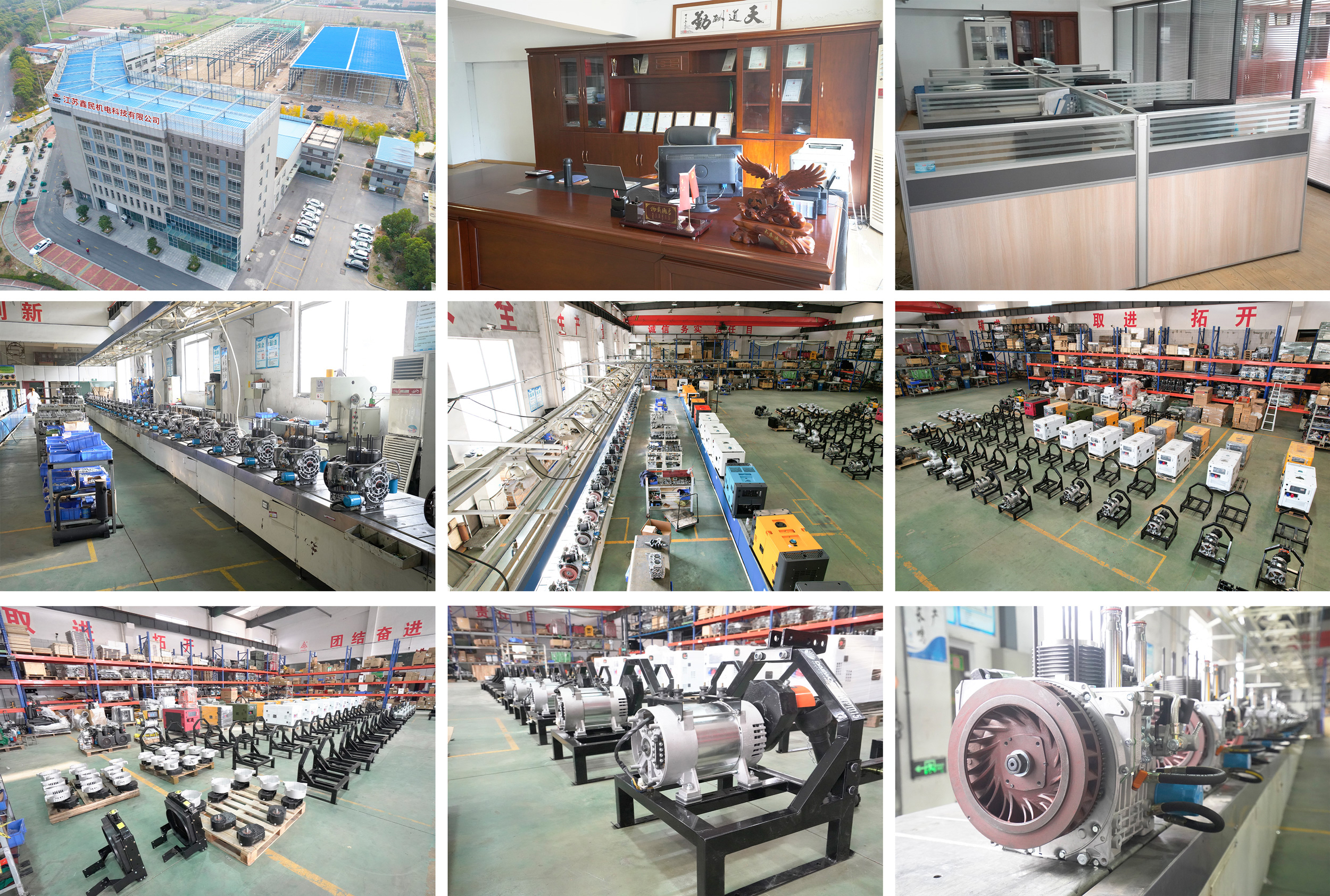
✪Factory appearance
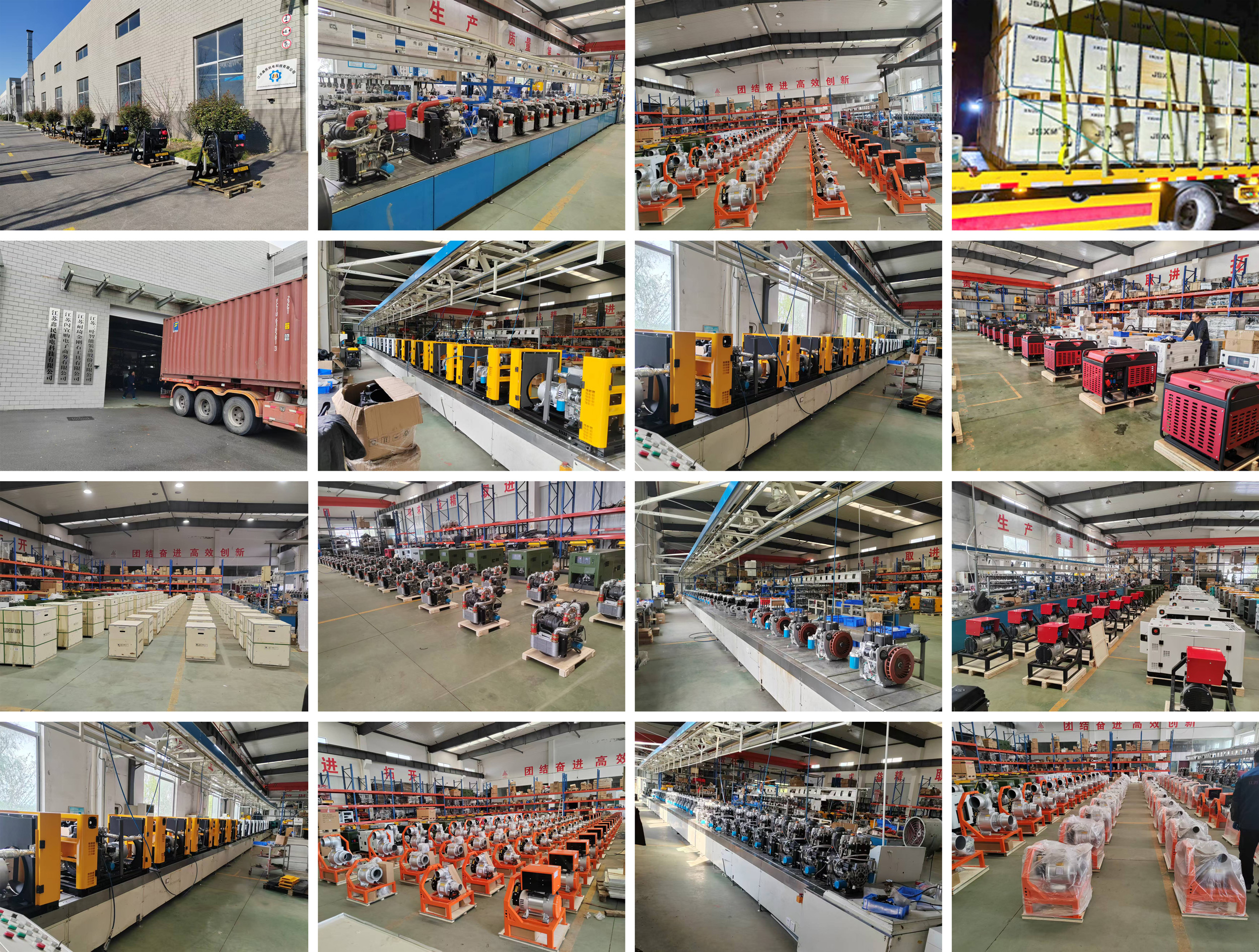
✪Case
✪Industry Applications
Since our establishment, we have always insisted on innovation-driven, quality-centered and market-oriented, and are committed to providing customers with efficient and reliable diesel power solutions. With excellent quality and good reputation, our products are exported to more than 50 countries and regions around the world, and are widely used in electricity, water conservancy, agriculture, mining and other fields.
✪Water Conservancy Project
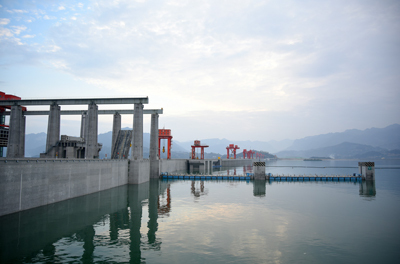
In water conservancy projects, Diesel Generator Sets are widely used to provide power support for water supply, drainage, irrigation and other systems. Especially in remote areas or places with unstable power supply, Diesel Generator sets are used as emergency backup power to ensure the normal operation of Water Pumps and lifting equipment. In addition, diesel Generator Sets can also provide power for the monitoring systems of reservoirs and hydropower stations to ensure the stable operation of the project. Its high efficiency and reliable performance make it one of the indispensable equipment in the water conservancy industry.
✪FAQ
Q.What should be paid attention to in the maintenance and care of water-cooled Diesel Engines?
A.The maintenance of Water-Cooled Diesel Engines mainly includes regularly checking the level and quality of the coolant, cleaning the radiator and cooling lines, and preventing the Water Pump and cooling system from leaking or clogging. In addition, the coolant should be replaced regularly to ensure that there is no air and impurities in the system to maintain good heat dissipation.
Q.What are the disadvantages of water-cooled diesel engines?
A.Compared with Air-Cooled Diesel Engines, water-cooled diesel engines have a more complex structure and higher maintenance costs. Additional cooling systems (such as water tanks and water pumps) are required, and if these components fail, they may cause engine overheating problems. Coolant management is also an aspect that needs attention.
Q.How to avoid overheating of water-cooled diesel engines?
A.In order to avoid overheating, it is crucial to ensure that the cooling system of the water-cooled diesel engine is working properly. Check and replace the coolant regularly to ensure the good working condition of the water pump and radiator. In addition, it is also key to keep the cooling system clean, avoid clogging of the water pipes and radiator, and regularly check the water temperature and flow.
✪Contact Us
whatsapp: +8617372292589
Email: aaron@xmdieselpower.com
Address: Building 2, No. 3 Mingui Road, Yandu Street, Yandu District, Yancheng City
This website uses cookies to ensure you get the best experience on our website.





 Phone
Phone